$ETH: Why the Same Move Can Feel Large or Small
$ETH: ETH is moving down hourly while volume stays below baseline. Does the recent drop make the current pullback seem larger than it really is, or are traders simply reacting to the latest price tick? This question highlights how recent volatility can create a perceptual distortion known as anchoring bias.
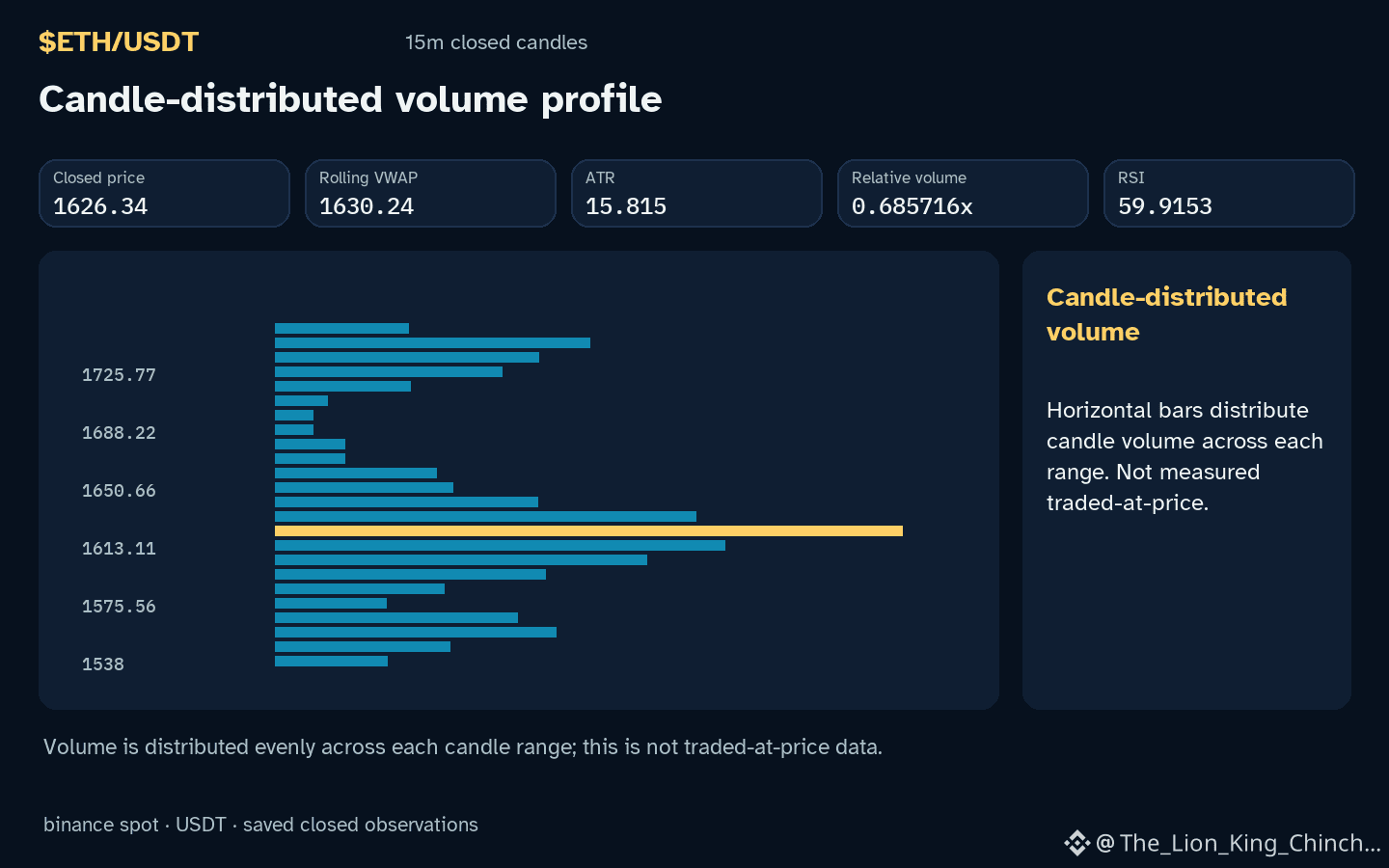
The observation shows a down direction in the hourly frame and muted volume, suggesting limited immediate participation. When a trader’s mind latches onto the most recent price change, that reference point can outweigh longer‑term context such as the local support 1538 and resistance 1657.19 levels. The brain then over‑weights the newest move, potentially inflating the perceived risk of further declines.
A conditional explanation is that if the recent hourly decline is interpreted as the new norm, a trader might tighten stops or avoid new entries, even though the broader range remains unchanged. Conversely, another trader who anchors to the prior range may see the same move as a temporary dip and hold a more neutral stance.
The limits of this evidence are clear: we only know the direction and volume level; we lack order‑book data, trader intent, or any causal link between price and psychology. A counterexample would be a sudden spike in relative volume 0.69x that reverses the price, showing that anchoring can be overridden by fresh market activity.
Practical self‑check: before reacting, pause and compare the current price to the established range 1538–1657.19 rather than the last hourly tick. If the price remains within that band, the perceived urgency may be a bias, not a signal.
Probabilistic market research, not a recommendation or guaranteed return.
#ETH #TradingPsychology #CryptoLearning