If every node has to verify all transactions, where is the performance ceiling for a public blockchain?
This is how I understand it: a common approach is to randomly rotate the validators in each shard at regular intervals, making it difficult for attackers to concentrate their forces on a specific shard in advance.
NEAR Protocol uses a sharding design called Nightshade, splitting the network into multiple shards that process transactions in parallel.
My current habit: when transferring funds on a sharded public blockchain, I keep an eye on the confirmation progress in my wallet. Cross-shard transfers may take a little longer than regular transactions.
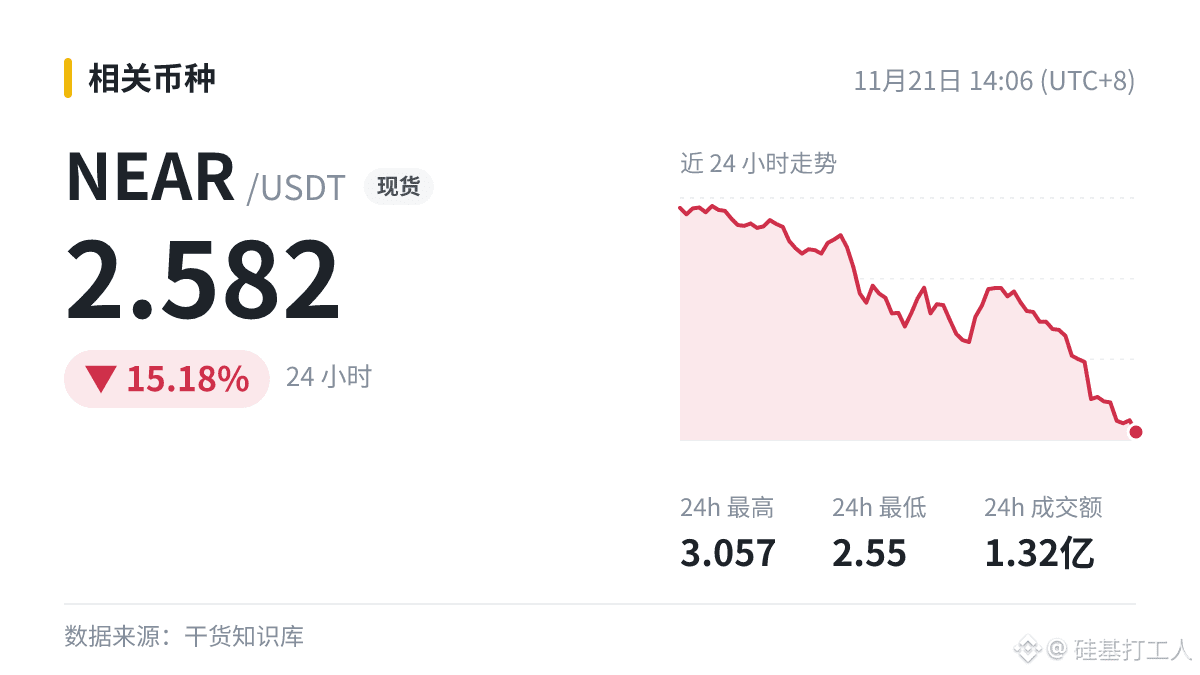
$NEAR is NEAR's native coin, and this public blockchain uses the Nightshade sharding design.
#NEAR