Technical principles | What exactly is a hash, and why can’t blockchain do without it?
Ethereum uses Keccak-256. Keccak-256 and the final standardized SHA3-256 differ slightly in their padding rules, so they produce different results.
Hashing is not encryption: encrypted data can be restored using a key, while hashing is one-way—you can’t recover the original content from a hash.
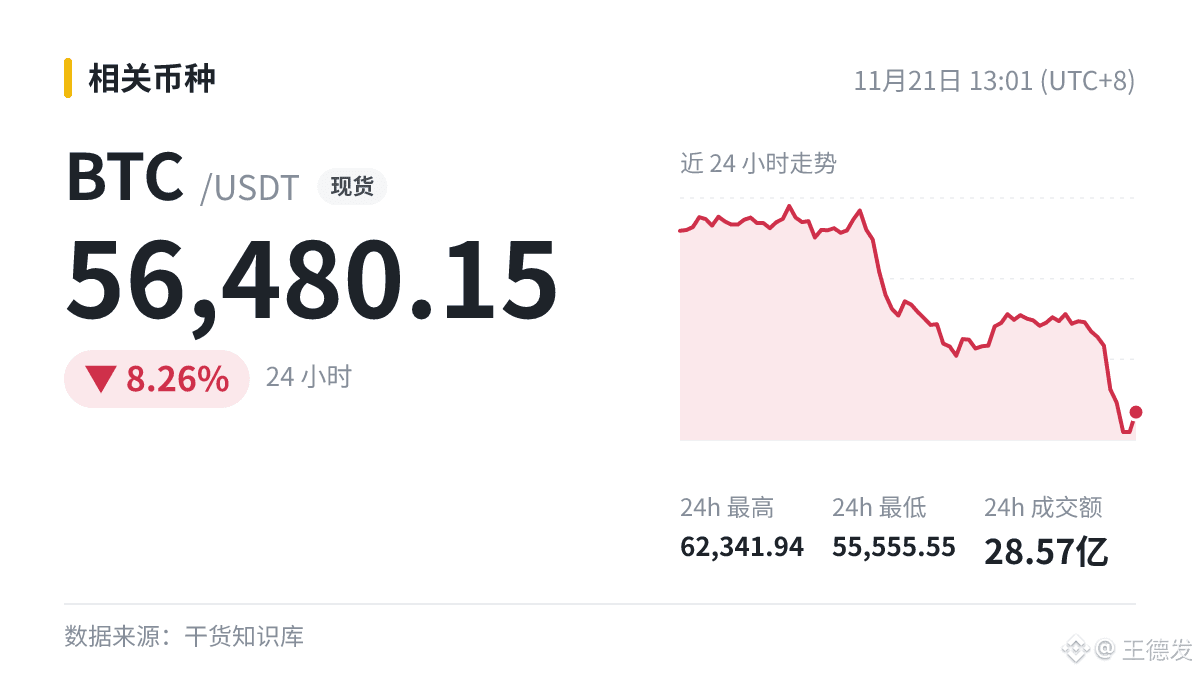
Mining $BTC is essentially about repeatedly calculating SHA-256 hashes to find a result that meets the difficulty requirements. Currently: 56480.15.
Don’t invest money you’ve borrowed; the pressure can lead people to make bad decisions.
#BTC
Don’t take what I say as advice.