How much U do I have to make before you’ll come be with me?
The day she left, she dropped one last line: “This is all you’ll ever amount to.”
I didn’t say a word. There were only 5,000 U left in my account. Back then, I was holed up in a rented room, forcing myself through the day and staring at charts at night. One thought kept going round and round in my head: I wasn’t going to fight for a scrap of food—I was going to fight for my pride.
A few years later, I bought a home outright. Looking back, what really turned things around wasn’t insider information or luck. It was a trading strategy so simple it could hardly get any simpler.
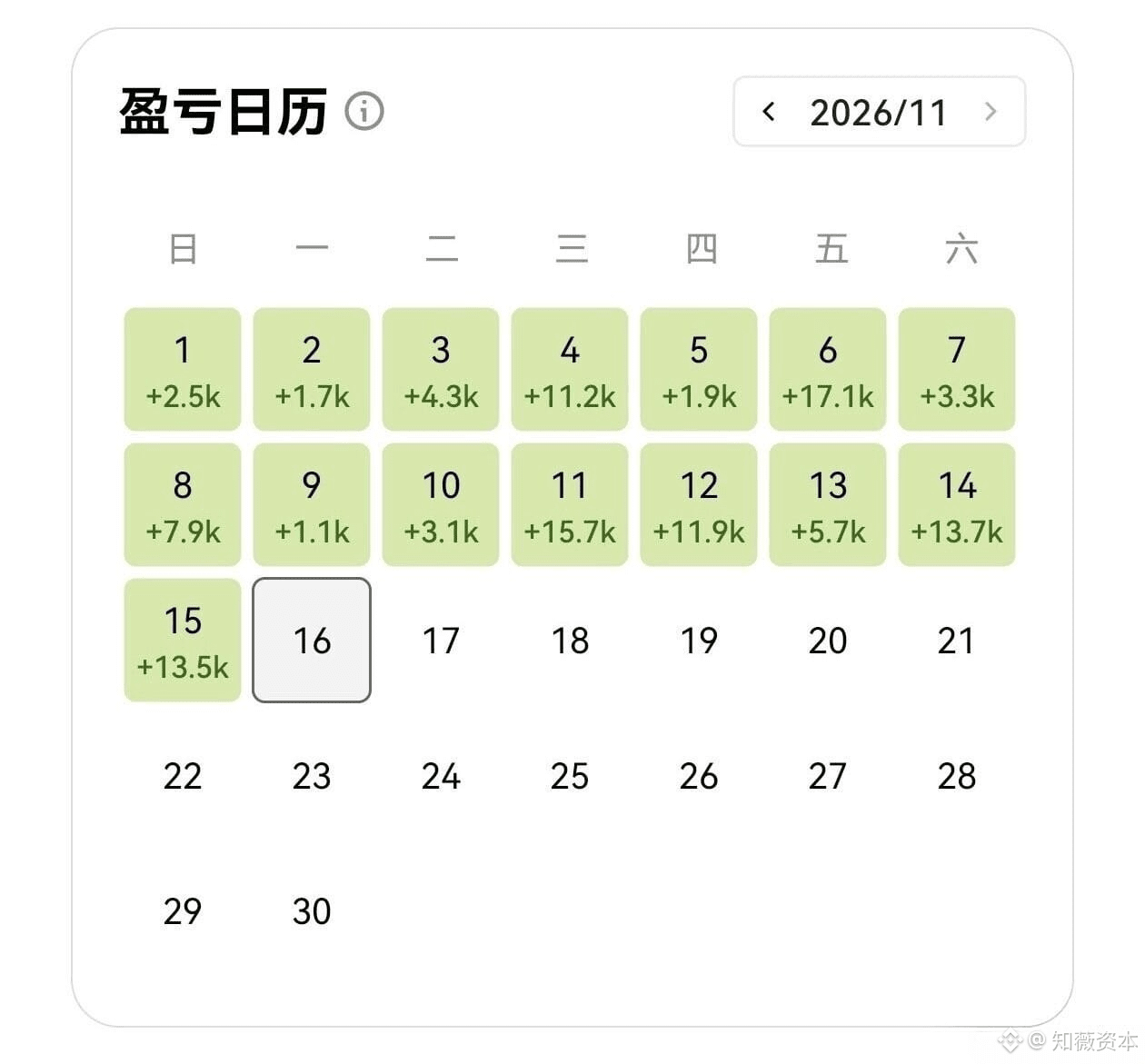
It took me two years to grow 30,000 into 1.2 million; one year to go from 1.2 million to 6 million; and five months to go from 6 million to 10 million. The further I got, the clearer it became: trading constantly isn’t a skill. Knowing when to keep your hands off is.
I trade only one pattern: the N-shape. First, the price rises; then it pulls back; finally, it breaks above the previous high. If the pattern hasn’t formed, I wait. If a key level breaks, I’m out immediately. It looks simple, but the hard part is following the rules every single time.
There are just three rules:
One: I only look at the 4-hour chart and use the 20-day moving average to identify the trend. No N-pattern, no trade.
Two: Set a 2% stop-loss and a 10% take-profit, aiming for a 5:1 reward-to-risk ratio. It’s okay if your win rate isn’t high. Stick to the rules over the long term, and the results will come.
Three: Take profits in stages. Don’t add to losing positions, don’t stubbornly hold on, and don’t pile on leverage recklessly. Unrealized gains on the screen aren’t money—only what you’ve put in your pocket counts.
I’m not clever, and I’m slow to react. The only thing I can really claim is that I stick stubbornly to my principles. I used to believe in indicators and always thought I’d feel more secure if I learned a few more strategies. Then I realized that mastering one approach is worth far more than half-understanding ten. The real dividing line is being able to follow your rules even after several losses in a row.
The hardest thing in crypto isn’t finding a strategy—it’s sticking to it once you’ve found one. Stop obsessing over coins that might go 100x; first, master one strategy. If you’re still chasing pumps and dumping on dips, losing money over and over, come talk to me. Let’s get your thinking straight first. @知薇资本
#币圈暴富