The most striking part of IOSCO’s 63-page report yesterday wasn’t “quantum computers can crack Bitcoin”—no such machines exist today—but the cost of migration.
The report cited a real-world test: after Project Eleven and the Solana Foundation switched their testnet to post-quantum signatures, signature sizes grew by 20–40 times and throughput fell by about 90%. Speed is Solana’s selling point, and this hits it right where it hurts. Solana also exposes public keys directly, unlike BTC and ETH, which use hashes, making it easier to target.
Longer signatures mean fewer transactions fit in a block, driving up storage and bandwidth requirements, as well as fees. Coordination is even harder—hard forks, validator-wide upgrades, and compatibility with old wallets could each become a new attack surface. Conservative estimates put the arrival of practical quantum computers at 2030–2035, but migration will take at least five years to prepare.
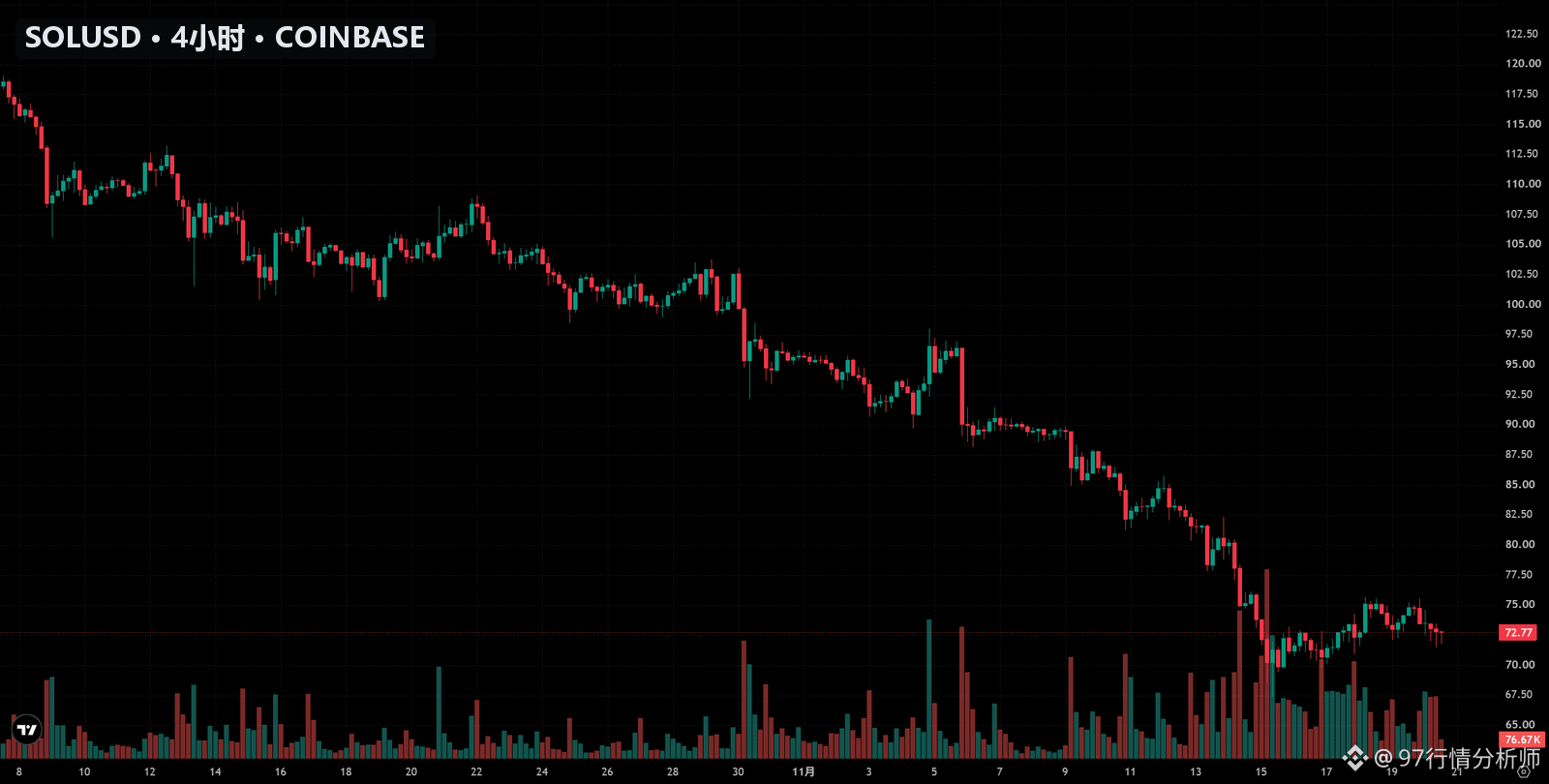
This isn’t a token-price story; it’s an infrastructure bill. SOL has fallen from 122 to 72 over the past month, but that chart and what this report is saying are about different things. What’s worth watching is who makes post-quantum protection optional first, rather than forcing a whole-chain switch—for example, protecting individual wallets only.
If a post-quantum upgrade slowed a chain by 90%, would you make the switch now, or wait a few more years?
#SOL #Solana #QuantumComputing