
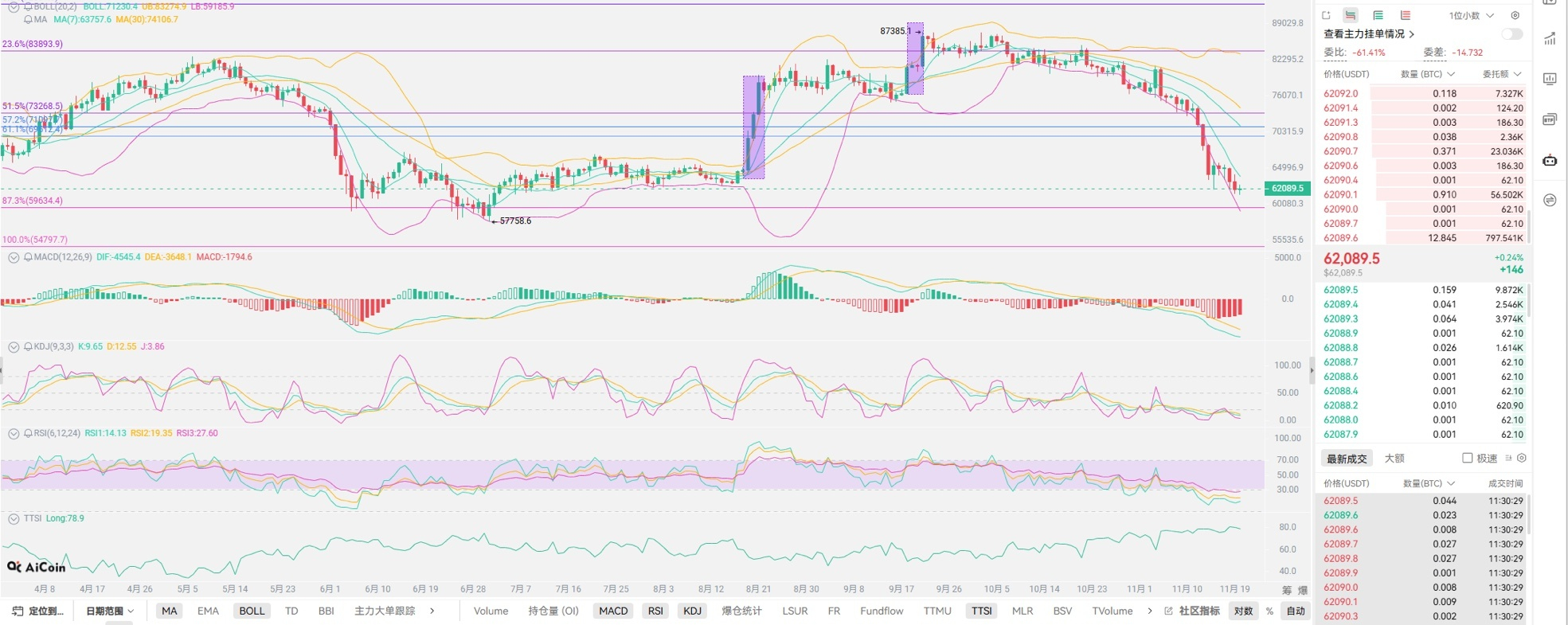

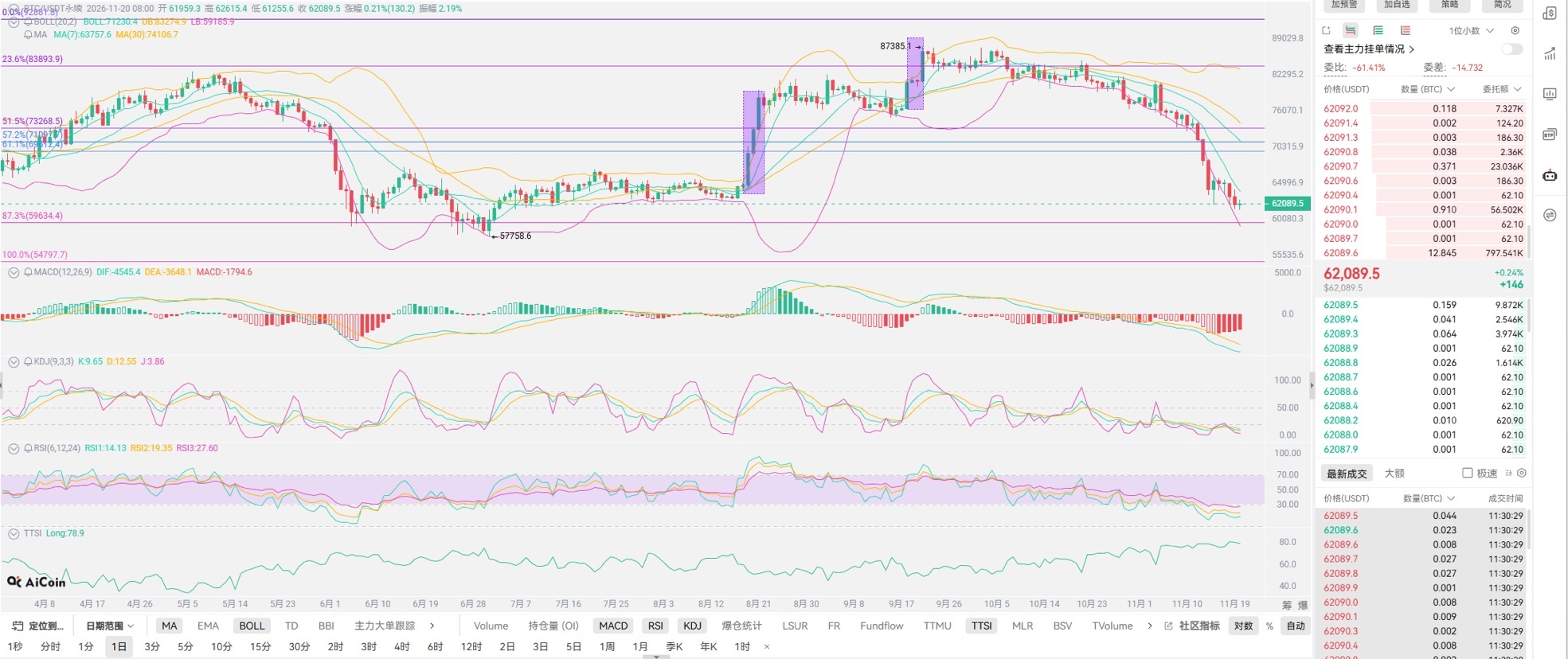
The market has turned lower again, setting a string of recent lows. Bitcoin is also testing its momentum around the $60,000 level, and the drop has been faster than expected. It was triggered by little more than a mildly negative news item: initial jobless claims for the week came in at 203,000, above expectations of 197,000, while the previous figure was revised up to 202,000. With the trend under pressure, any straw can spark another wave of selling. Fortunately, the medium-term outlook remains largely intact. Constant talk of a bear market is deeply discouraging, so today let’s discuss the bull market in smaller-cap coins and give spot market investors a confidence boost. The crypto market differs from traditional financial markets. In traditional finance, bear markets are often created when institutions sell first and then push prices down. In crypto, ancient whales awaken, and shifts in ownership lead prices lower. This is characteristic of the market’s early stages; fundamentally, there is no difference, except that the process of assets changing hands can take longer—long enough for prices to stabilize once capital has consolidated.
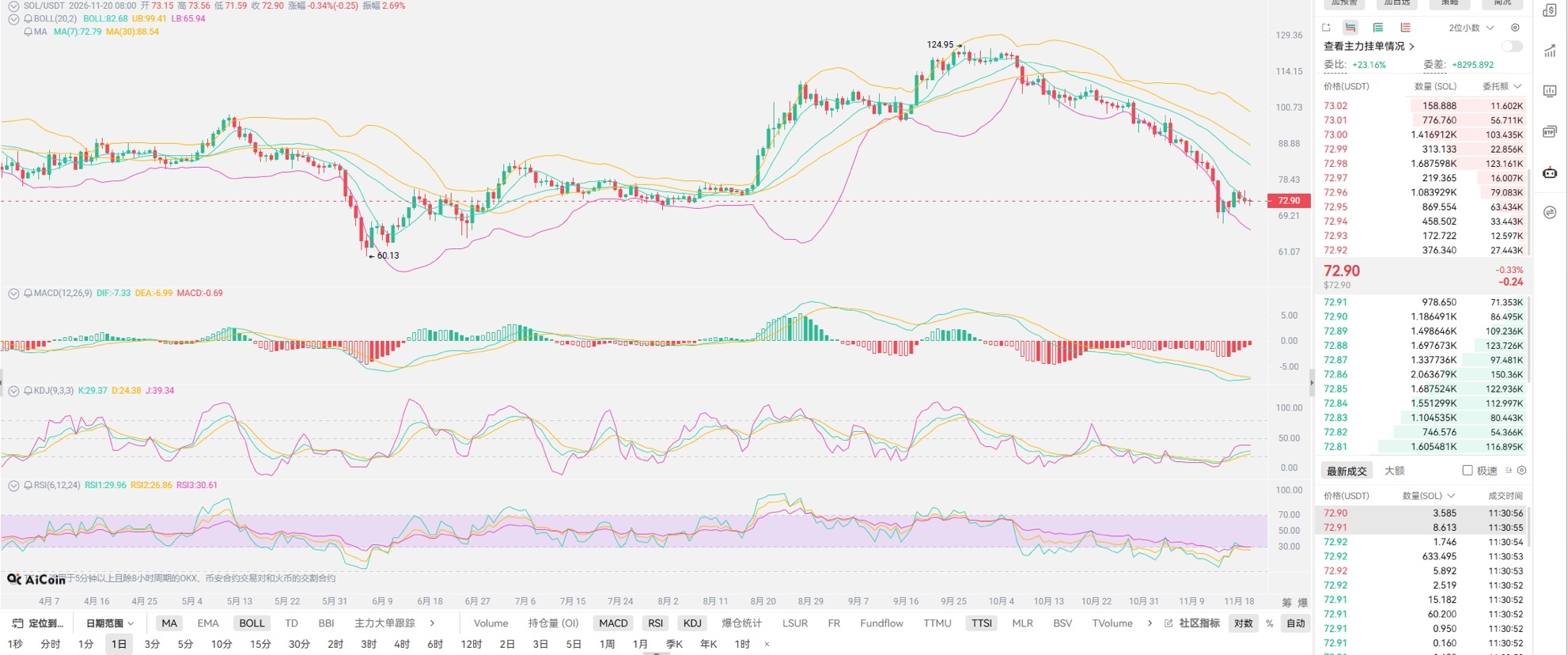
Recently, I’ve read many discussions about a crypto bull market. Of them, there was just one forecast for SOL that Lao Cui found particularly convincing, so I’m sharing it for everyone to consider. Bitwise published a forecast report predicting that SOL could reach as high as $1,000 by 2031. Objectively, it also estimated a bear-market price of $80. Lao Cui thinks the objectivity comes from the data behind it. The core approach is to anchor the estimate to on-chain payments and tokenization data, which aligns with Lao Cui’s thinking, though the calculations are more detailed. After all, Bitwise is a regulated institution and can analyze things in greater depth than Lao Cui working alone. To get straight to the supporting data: for SOL to reach $1,100, 5% of global stocks would need to become tokenized. On that assumption, SOL would need to capture a 65% share, corresponding to annual trading volume of $30.7 trillion. Crypto trading activity would also need to grow at an average annual rate of 50%, while the scale of on-chain payments would need to expand fifteenfold. Ultimately, the SOL network would need to handle 3.6 billion transactions per day—23 times its current transaction volume.
Meanwhile, revenue growth is also quite clear. As SOL grows, on-chain fees would need to reach $128.3 billion. If the market assigns a 60x valuation multiple, that would imply a total network valuation of $770 billion. The calculation is straightforward: divide by an estimated circulating supply of 700 million tokens, and you get a price of $1,100. This kind of estimate is part of Lao Cui’s day-to-day work. To be honest, $1,100 is a little too high, because the assumptions are extremely demanding and almost impossible to meet. So Lao Cui agrees more with the latter estimate—the baseline outlook—which better reflects his thinking and is based on more achievable conditions. The baseline assumes that just 4% of global stocks become tokenized and the Solana network captures a typical share, corresponding to annual trading volume of $15.7 trillion. This is a basic comparison: the simplest way to look at it is the gap between market share and industry penetration. If the outlook only covered a bull market, Lao Cui would naturally consider it less objective. What’s worth explaining is that this article also discusses a bear-market outlook.
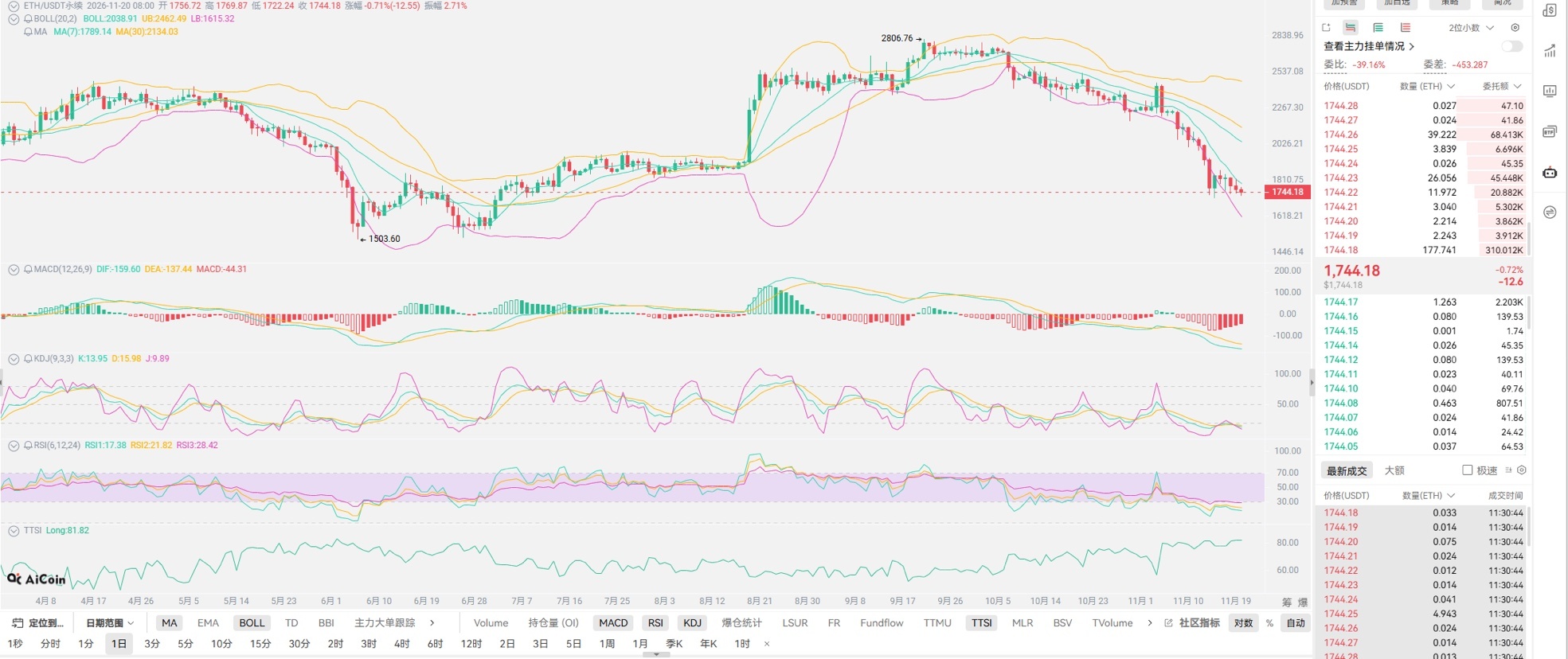
A bull-market estimate based on favorable conditions is naturally optimistic. The reality, however, is that tokenized stocks currently have a penetration rate of less than 2%, and more tech stocks are choosing Ethereum, which is currently the undisputed leader. In other words, SOL today is more of a challenger. The variables include industry policy and legislative progress: the foundation for tokenization is a global regulatory framework, and the major economies we’ve seen so far are still taking relatively cautious and restrictive approaches. Another factor is competition from blockchains at a similar level. The $1,100 estimate requires SOL to surpass its rivals on multiple fronts: it would need to decisively outpace the Ethereum ecosystem in tokenized stocks, overtake Tron as the leading blockchain for stablecoin payments, and compete with NEAR for on-chain AI activity. It’s exceedingly difficult for one blockchain to beat the leading competitors in all three areas at once. The final variable is the network’s actual technical capacity and the risks of its financial model (SOL has a history of outages).
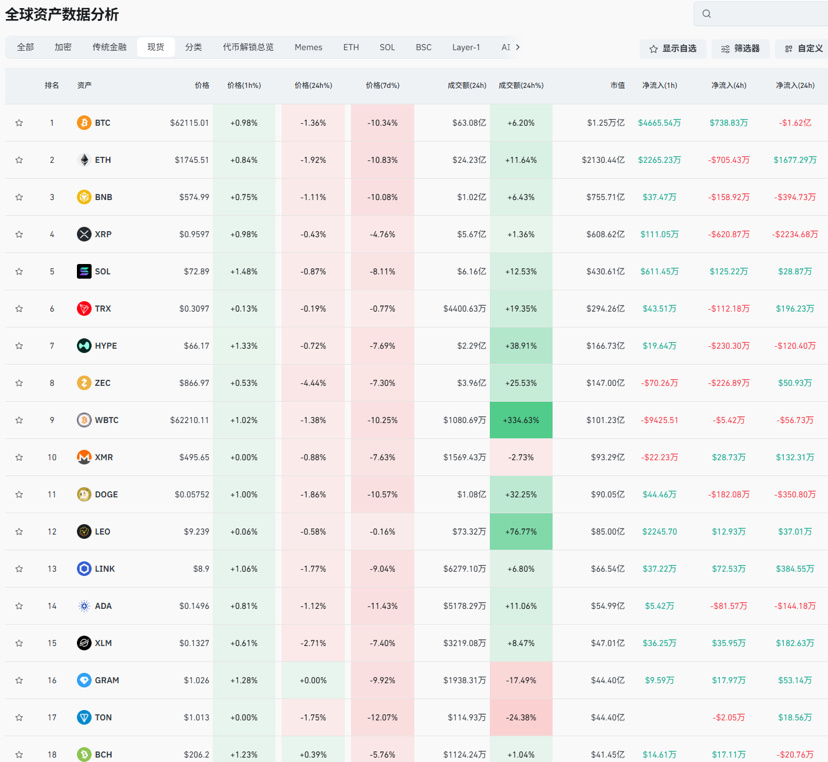
Lao Cui’s summary: This report is a very clear and typical financial projection model, not a buying guide. The optimistic price of $1,100 is an almost impossible target. Lao Cui is more in line with the baseline forecast, which puts SOL at $430 around 2031. At the start of the year, Lao Cui’s own forecast was in the $300–$500 range. What’s valuable is the data: you can tell that a huge amount of effort went into the calculations. The report is telling us that the value of future public blockchains, and the future prices of crypto assets, will ultimately be determined by real on-chain economic activity and sustained fee cash flows. For investors like us, rather than fixating on the highest price forecast, it’s more practical to keep track of a few key developments worth watching. If all the variables it identifies go in SOL’s favor, the upper limit could be estimated at over $400; if they don’t, we should use the lower end of the range. Learning to use data from investment firms to create our own reference guides is something we should all work on.
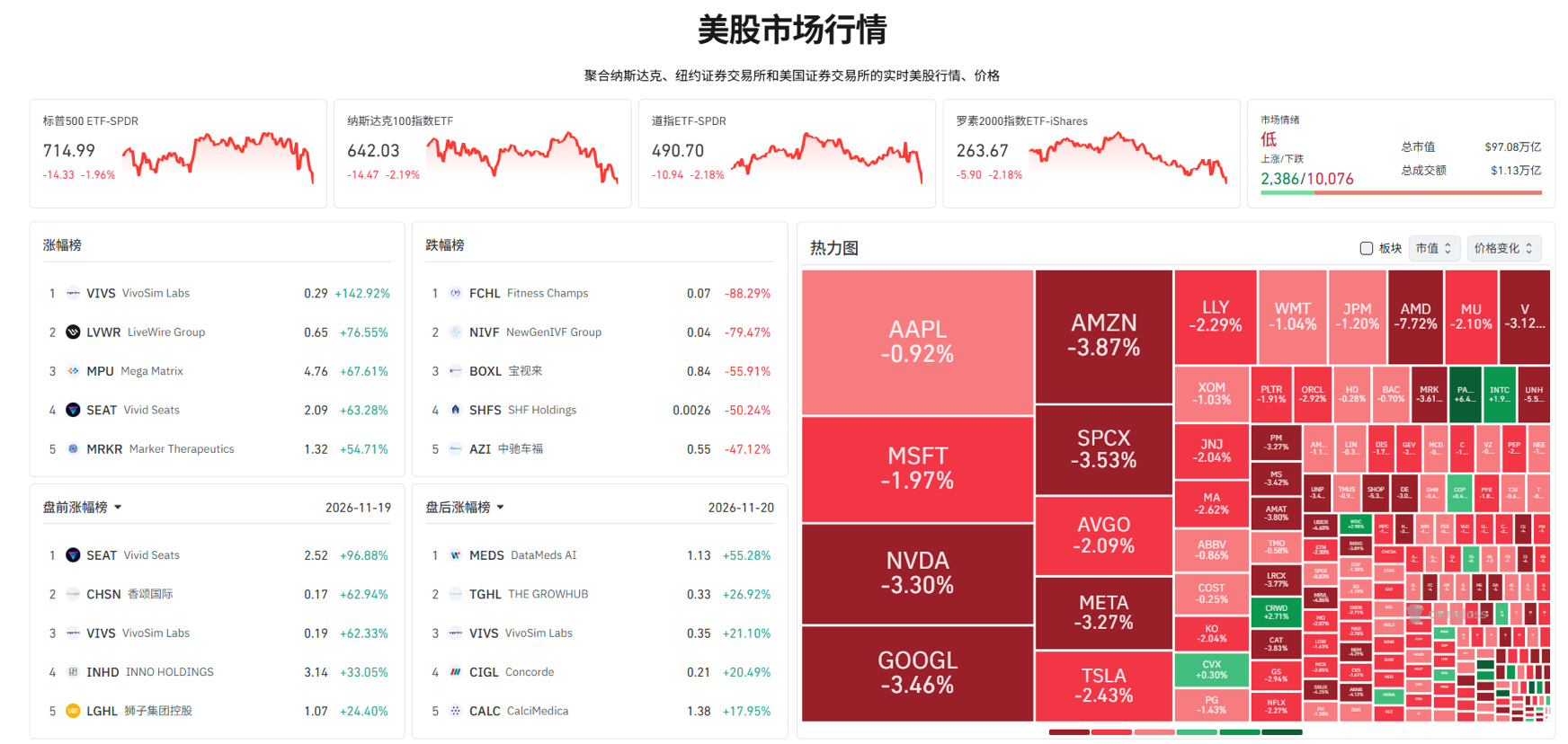
To wrap up, a brief aside: Lao Cui’s recent forecasts haven’t been significantly off the mark, and he’s also gained a group of followers who may trust him a little too much. A reminder to everyone: getting a trend forecast right doesn’t determine whether an analyst is good or bad. Lao Cui would much rather see you develop the habit of thinking independently. The market is moving in the direction we predicted, so there isn’t much more Lao Cui can do at this point. After spending a long time preparing, Lao Cui is planning to take two days off this weekend—the next two days. Of course, anyone who has questions can still reach out. Even while on vacation, Lao Cui will keep a close eye on the market, and if there are any risks, he’ll continue to remind everyone in his Moments. Bear markets aren’t very friendly to spot investors, so let me encourage you with a quote from the legendary investor John Templeton: “The time of maximum pessimism is the best time to buy. It takes tremendous courage to buy when everyone else is panicking and rushing for the exits.”