Radar #9 PROFIT: a $100 ticket made 6%. A $20K ticket made 0.25%.
Quick recap: on Nov 18, Binance Wallet let users apply for tokenized Anthropic stock at the $83 IPO price, plus a 5% fee. The 500M USDC pool filled within hours. Radar #9 rated it Tier A, Join, because the downside looked capped.
Then the allocation came in, far short of what users committed. So Binance:
- Refunded every USDC. All 500,002,764 USDC is back, in two batches
- Airdropped the roughly 2,957 tokenized shares it did get, free, pro rata
- Added $1M of ANTB (Binance's tokenized Anthropic share): 6 USDC to every user first, the rest pro rata
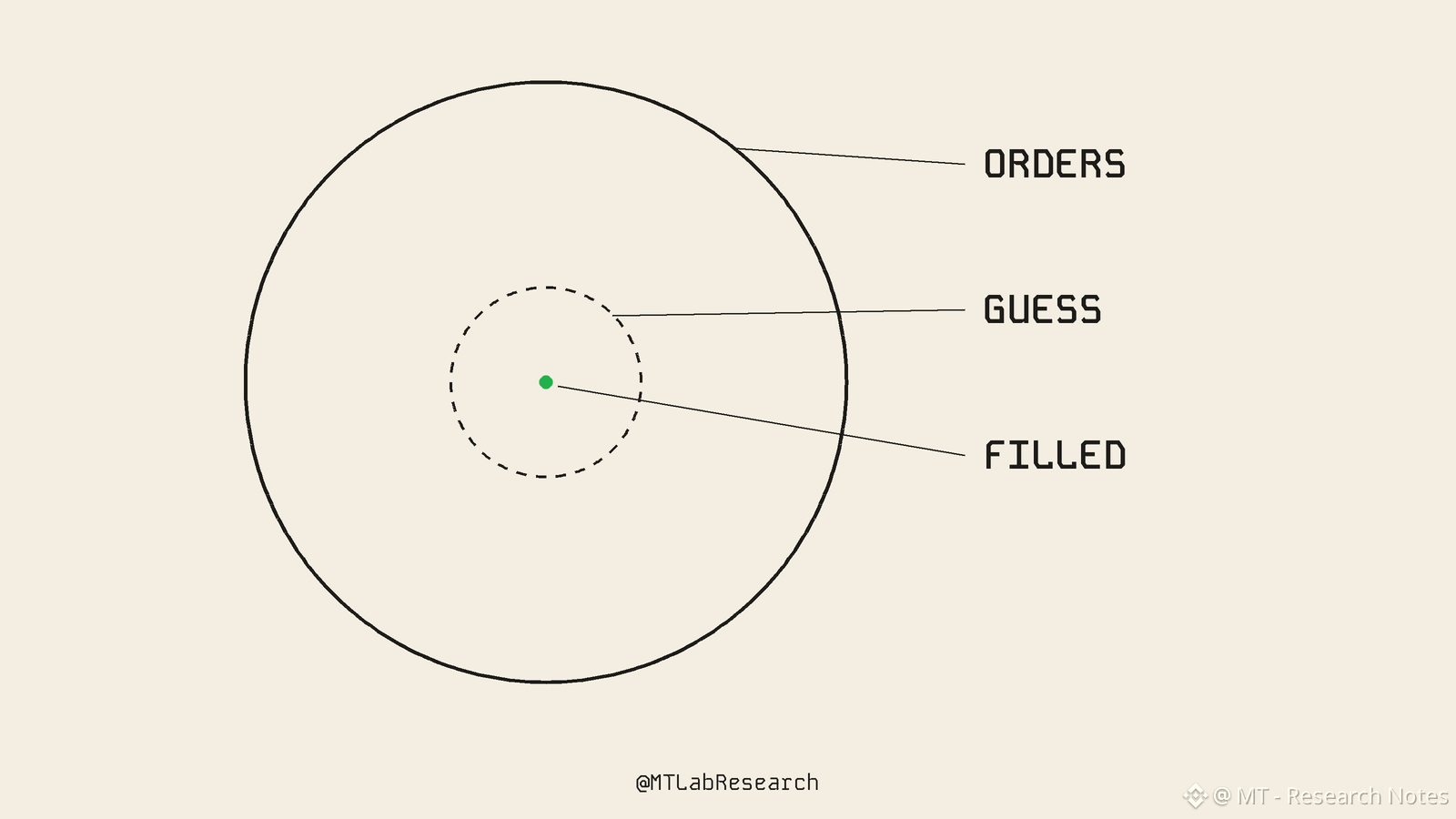
By my math, 2,957 shares at $83 is about $245K of stock against $500M of orders. A fill of about 0.05%. My Radar #9 article simulated 5% to 30%. Off by at least 100x.
What a $20K ticket got, by my math:
- About 0.12 shares, worth about $11 at the first-day close
- About $34-38 of ANTB
- Total: about $45-50, or 0.23-0.25% in 2-3 days
Is that good? At 10% APY, the same $20K on Binance Earn makes about $10-16 in 2-3 days. So Radar #9 paid roughly 3-5x more, about 28-46% a year if you annualize it. But it's a one-off, not a yield you can repeat.
Why did small tickets win? The 6 USDC minimum is the same for everyone. On $100 it's 6%. On $20K it's a rounding error.
Meanwhile ANT opened at $111.50, 34% above $83, and closed day one at $97.17, up 17% (per CNBC and Bloomberg). Almost nobody on the crypto side held it.
What Radar #9 taught me?
- The fill was the whole game. "Oversubscribed" on Wall Street can shrink the crypto slice to almost nothing
- Capped downside worked: a refund plus free shares beat every loss case in my grid
- Always compare a campaign with the boring option. This one beat Earn, but only by about $35
Right about the risk. Wrong about the fill.
How much did you earned?
Experience, not financial advice.
#IsAnthropic’s$1.5TMarketCapJustified?