
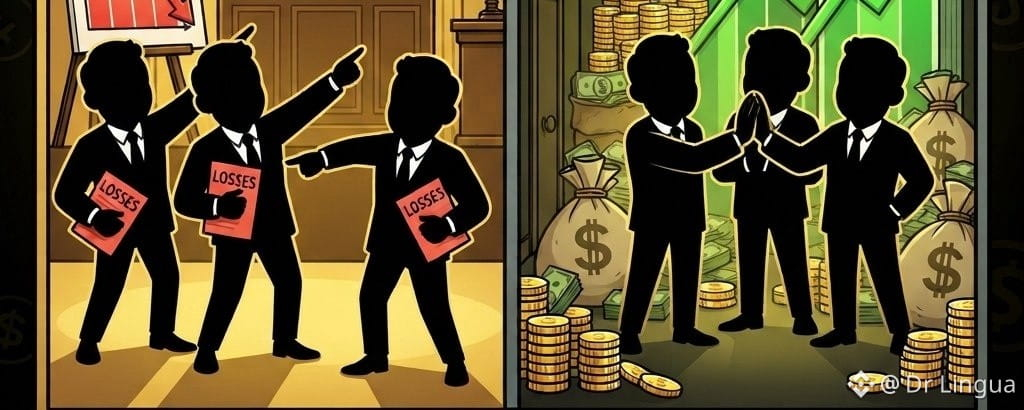

Every financial market shares the same driving force: investor sentiment. What’s most interesting about the Fear and Greed Index (on a scale of 0 to 100) is that it reflects the real behavior behind trading. It works as a compass for the present, helping us read what’s coming: when the needle hits 70 or higher (euphoria), it has historically tended to signal a correction. Keep in mind: we’re talking about the ecosystem’s overall sentiment, not an individual coin rising on passing trends.
Why are new institutional wallets created during extreme fear?
While the indicator sinks into Extreme Fear territory (below 15 points), on-chain data often shows large addresses opening and accumulating positions. This contrast with small investors happens for a simple reason:
- Tools and capital: Institutions have dedicated teams to measure the true depth of the market and manage funds with a long-term outlook.
- Day-to-day trading: Retail investors tend to react to daily noise, making staggered purchases without a plan or jumping in on impulse after prices have already risen.
The outcome is well known: when the public has exhausted its reserves, newly opened institutional wallets accumulate patiently, waiting for euphoria to return so they can take profits.
Real statistics versus noise
This gauge really matters. This isn’t about guessing candlestick patterns or drawing lines on a chart; it’s about cold, hard statistics on how the crowd behaves. Behind every rise and fall are natural cycles of supply and demand, but there’s one key difference: large funds operate strategically at scale, while most people tend to act on emotion.
Three rules to protect your capital
If you invest with a long-term outlook, stay in control:
1. Make staggered purchases with a limit: Use only money you don’t need for your day-to-day expenses.
2. Verify facts, not promises: Thoroughly research each project’s fundamentals before getting involved.
3. Put your interests as an investor first: Assess the asset’s real-world utility and technical backing without relying on a foundation’s messaging or trying to predict institutional moves.
Note: This article is an educational reflection on financial psychology and market history; it does not constitute investment advice.
Do you check the sentiment index before trading, or do you rely only on the day’s price? Let me know in the comments 👇 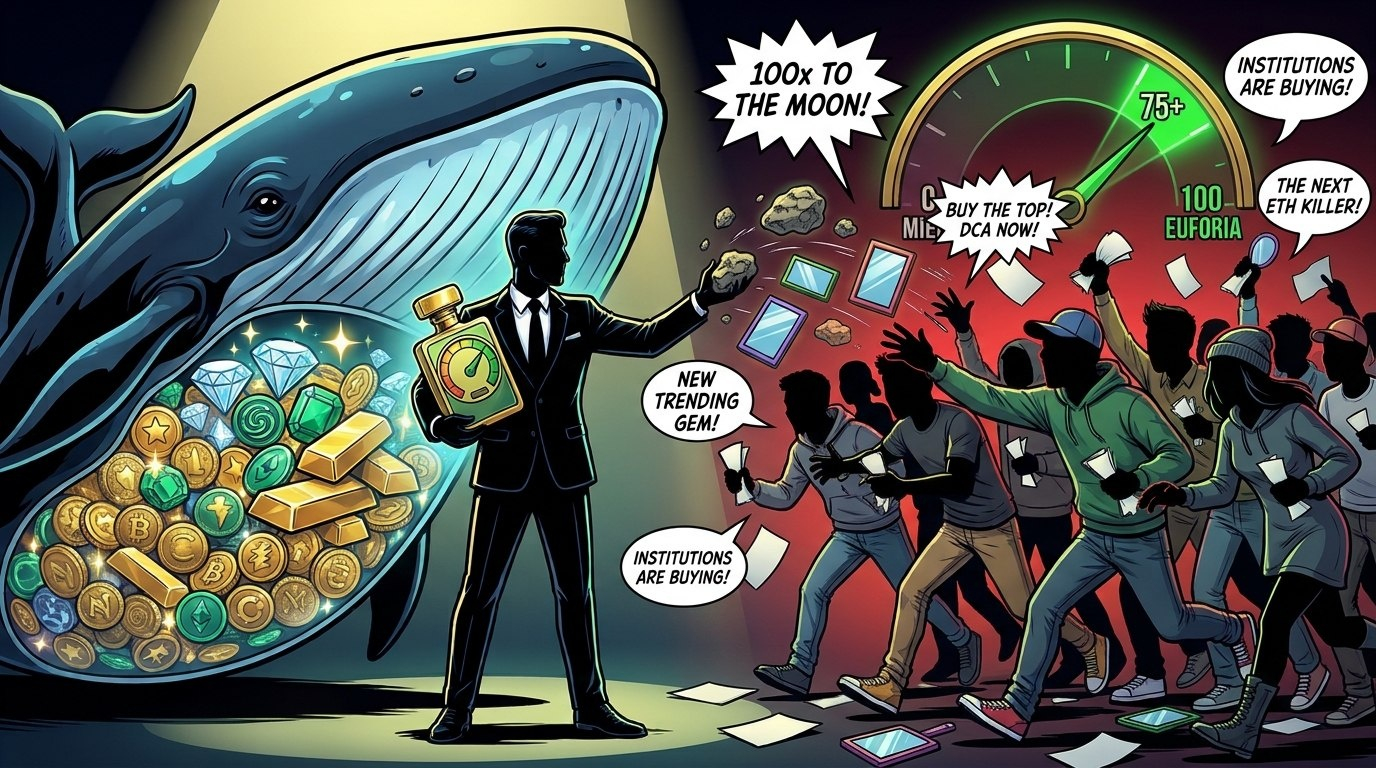
$BTC $ETH $BNB $SOL $HYPE $AAVE #CryptoMarket #TradingPsychology #BinanceSquare