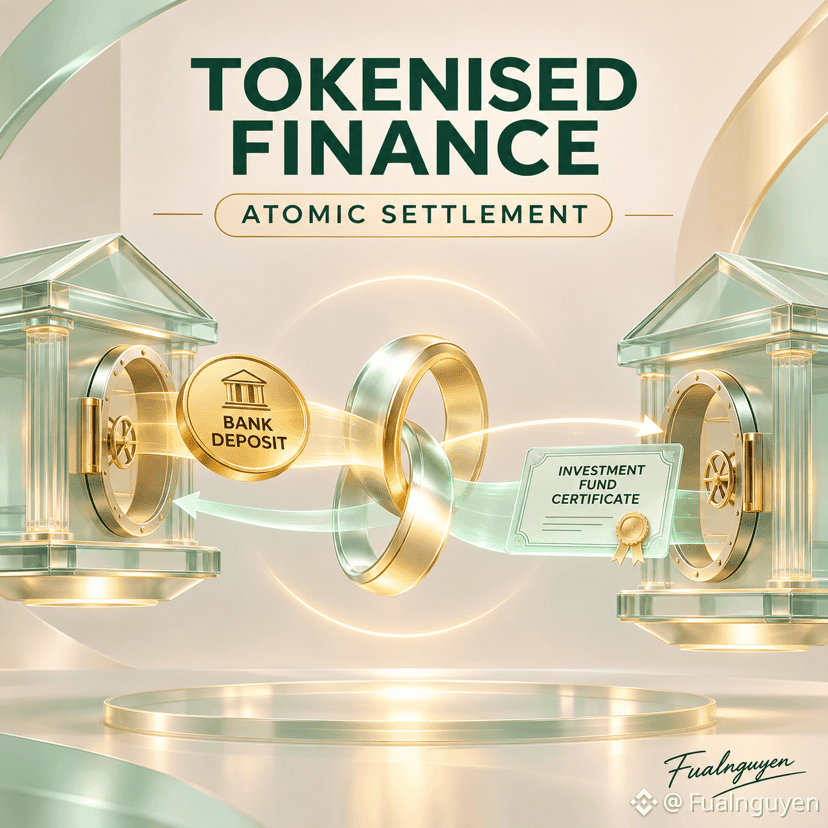
The money has been transferred, but the assets haven’t arrived yet: blockchain is being used to narrow this waiting gap.
On November 19, Ant International announced the Whale Orchestration Protocol, developed under Singapore MAS’s BLOOM initiative. The company said it had completed a trial transaction with DBS and Franklin Templeton, connecting tokenized deposits with a tokenized money market fund on WhaleRTP.
The core idea is the simultaneous delivery of assets and payment, or DvP. With atomic settlement, both sides are designed to complete together, rather than one party transferring first and then waiting for the other.
To me, this is a noteworthy application of tokenization: not just putting ownership on a digital system, but also connecting assets with payment methods so businesses can use their capital more flexibly.
However, a successful trial doesn’t mean every fund can now trade instantly, that every customer can participate, or that investment risks have disappeared. Tokenized deposits and fund units are still two different types of assets.
The next thing I’d like to see is how it performs at scale, the access requirements, and its real-world effectiveness as more partners come on board.
Where do you think the greater value of RWAs lies: in token issuance, or in the payment and redemption of assets?
#TOKENIZED
$BTC $ETH $BNB