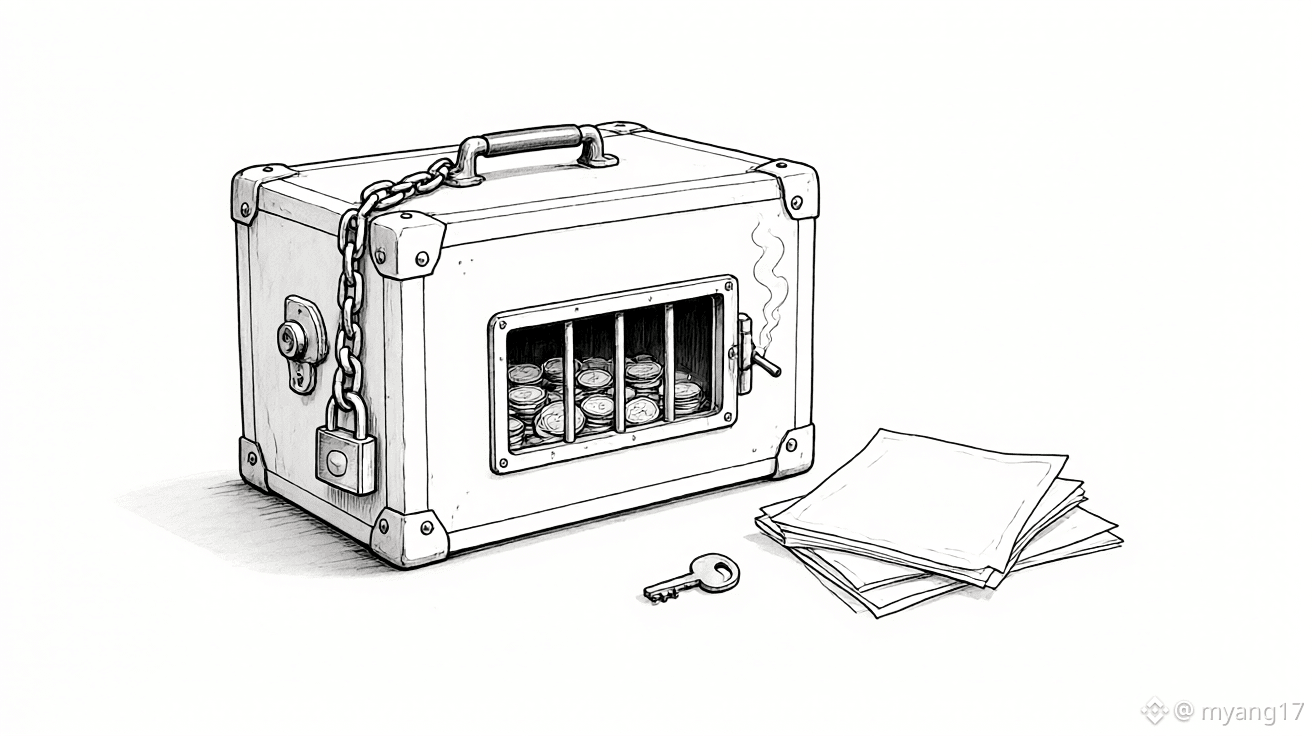
“Where’s the fund that was supposed to have our backs?” someone posted in the group chat. At the capital markets policy meeting on November 13, Lee Jae-myung was asked about the stock market stabilization fund. He left himself some wiggle room: they needed to take another look at how and when it should be used, and what size would be appropriate. $ETH
At the same meeting, the head of the Financial Services Commission struck a more cautious note. He said funds of this kind were reserved for highly urgent, temporary and exceptional situations, implying that things hadn’t reached that point yet. People in the securities industry saw it differently, repeatedly urging at the meeting that it be activated sooner rather than leaving the tool sitting unused. $CL
A look at the fund’s history shows why that’s easier said than done. It was put together during the pandemic in 2020, with a size of 10 trillion won, but hasn’t bought a single share to this day. It didn’t buy during the pandemic, during the 2022 market turmoil, or during the tariff shock either. Someone joked that it hadn’t even spent 10 won. $BNB
There are dissenting views, of course. Some in financial circles worry that if everyone assumes someone will step in whenever prices fall, they may take even bigger risks, piling up more and more risk. That’s the old moral hazard argument.
So how big would the fund need to be to make a difference? One institution ran the numbers: it would need at least 20 trillion won to have a psychological impact. But daily trading volume now often exceeds 40 trillion won, so anything below 25 to 30 trillion would barely make a splash.
Another measure has already been put in place. From November 9 through the end of January next year, the 140% minimum maintenance ratio for securities firms’ margin loans has been temporarily waived, in an effort to prevent forced liquidations from cascading during a sharp drop.
On November 6, the index closed down 6.02%, after falling more than 8% at one point during the day—its 11th trading halt of the year. The fund is still locked away, but the safety switch has already been loosened a notch.
These are personal views and not investment advice. You are responsible for your own gains and losses.
#KOSPI falls 2.59%, closing at its lowest level since February