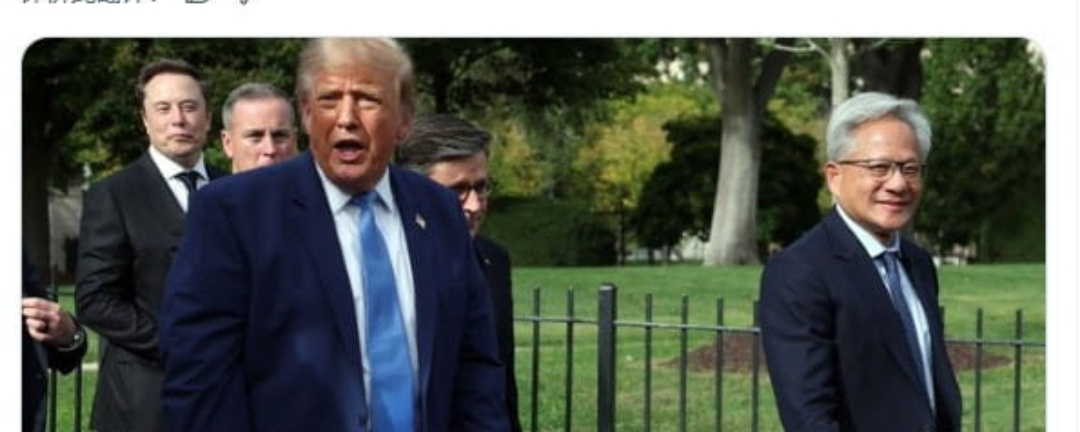

Musk’s visit to Shenzhen went viral with just one remark!
While in Shenzhen, during a meeting with the head of the China Council for the Promotion of International Trade, Musk turned to his young son in front of everyone and asked, “Do you love China?”
The little boy blurted out, “Yes!”
Musk laughed and added that his child’s huge pile of toys was all made in China. In his eyes, China is a toy paradise, and he looks forward to visiting every time.
Musk himself has said that he’s a huge fan of China, and that the more the U.S. and China work together, the better it is for both sides.
Many people are asking in the comments: How does Musk manage to stay steady amid the storms of U.S. politics?
A key point: Tesla has put down roots at the Shanghai Gigafactory, become deeply integrated with the domestic supply chain, and built a truly two-way business—laying the foundation for mutual benefit.
This brings us to a comparison many people are keenly interested in: the controversy surrounding Jensen Huang.
Many people can’t help but wonder: if Nvidia had established a deep presence and built factories here back then, would things have turned out differently?
Let’s be objective: it’s not that simple.
Jensen Huang’s departure wasn’t just a matter of market strategy. It involved U.S. domestic regulation, chip export controls, Silicon Valley’s internal governance, and complex geopolitical maneuvering—not something an overseas factory alone could resolve.
But this situation poses a choice for every multinational company:
Do you do business by selling across a wall, or put down deep roots in the supply chain and create mutual benefits?
With Tesla, Elon Musk has given us his answer.
What do you think matters most for a multinational company that wants to thrive in the long run? Share your thoughts in the comments.