Let’s talk about one thing: slippage. It matters, but few people discuss it.
You place an order at one price, but the actual execution price often isn’t what you expected. The few pips (points) between them are slippage. It’s not a system bug—it’s how the market works.
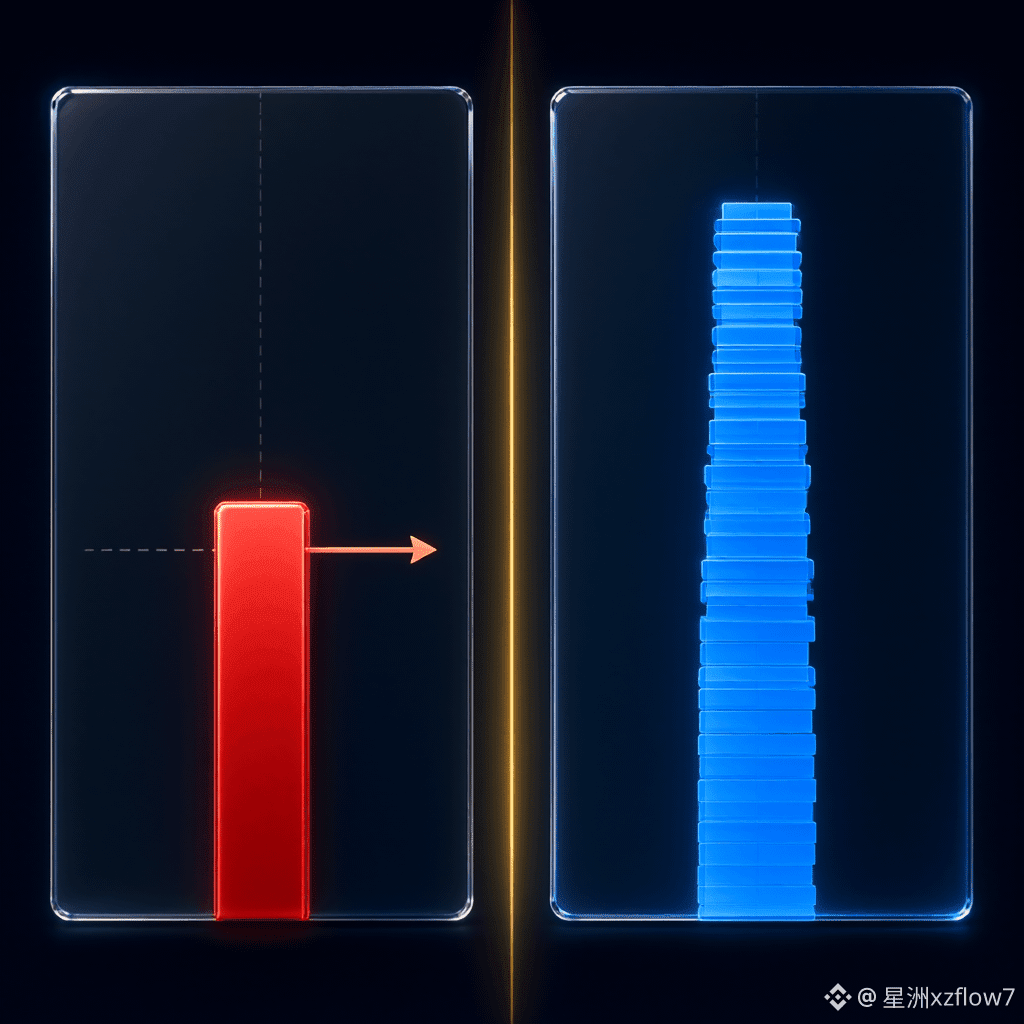
Why does it happen? Because prices are constantly moving. By the time you place your order, the closest available orders in the order book may already have been taken by someone else. So your order gets filled at the next level, and the price shifts a little.
Three situations are the most common: 1) Sharp market volatility (a data release or major news)—liquidity gets swept away in an instant, causing the worst slippage. 2) Late-night hours, weekends, or other periods of low liquidity—there are fewer orders to begin with, so even a small trade can cause slippage. 3) Large orders and market orders—you can consume several levels at once, pushing the average execution price further away.
How can you manage it in forex? Avoid using market orders during major data releases, use limit orders, allow for some buffer, and steer clear of low-liquidity periods. The same goes for crypto: market orders can cause especially extreme slippage in coins with thin liquidity. Check the order book depth before placing a trade—don’t just look at the quoted price.
Remember: the spread is a cost you pay when you open a position; slippage is an extra cost the market adds. If you don’t account for both, you’ll never estimate your costs accurately.
Markets carry risk. Trade with caution.