
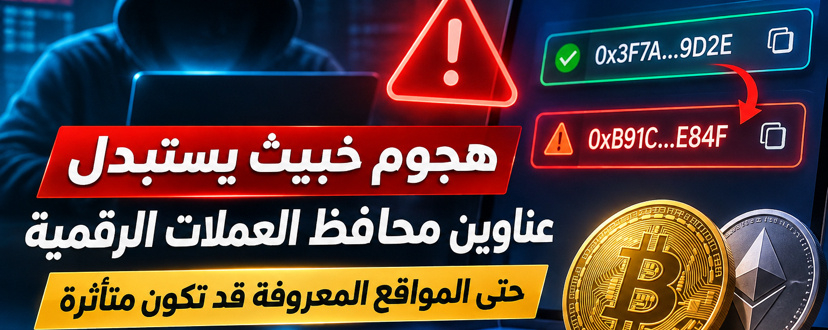


🔐 Imagine you’re about to transfer cryptocurrency. You visit a well-known website, copy a wallet address, and confidently confirm the transaction.
But what if the address you copied was replaced with another one controlled by an attacker?
⚠️ This type of risk is no longer just a hypothetical scenario.
Security researchers have uncovered a malicious campaign linked to Optimizely, a service used by websites belonging to global organizations and companies.
According to a report by Report URI, malicious code spread across websites associated with around 178 organizations. It was used to carry out harmful activities, including tampering with cryptocurrency wallet addresses and attempting to collect sensitive data.
💡 How could the trick work?
1️⃣ A user visits a website that appears trustworthy.
2️⃣ Malicious code interferes with copying or handling the wallet address.
3️⃣ An address different from the one the user intended to use may appear.
4️⃣ If the user confirms the transfer without checking, the funds may go to an unintended recipient.
🛡️ How can you protect your money?
✅ Check the recipient’s full address on the confirmation screen, not just the beginning and end.
✅ Compare the address with an independent, trusted source, especially when making a transfer for the first time.
✅ Use a reputable hardware wallet when needed, and check the address on its separate screen.
✅ Send a small test amount before making large transfers, keeping network fees in mind.
✅ Don’t assume a website is safe just because it’s popular or uses an HTTPS connection.
📌 Important note:
The presence of malicious code on a well-known website does not necessarily mean its internal systems were breached or its users’ funds were actually stolen. Optimizely has announced that it resolved the issue.
🔎 The takeaway:
In the world of cryptocurrency, that final confirmation tap may matter more than all the previous steps in the transfer.
The correct address isn’t the one you copied… it’s the one you verified before sending.
👇 Do you check the full wallet address before every transfer, or do you just check the first and last characters?
#CryptocurrencySecurity #CryptoSecurity