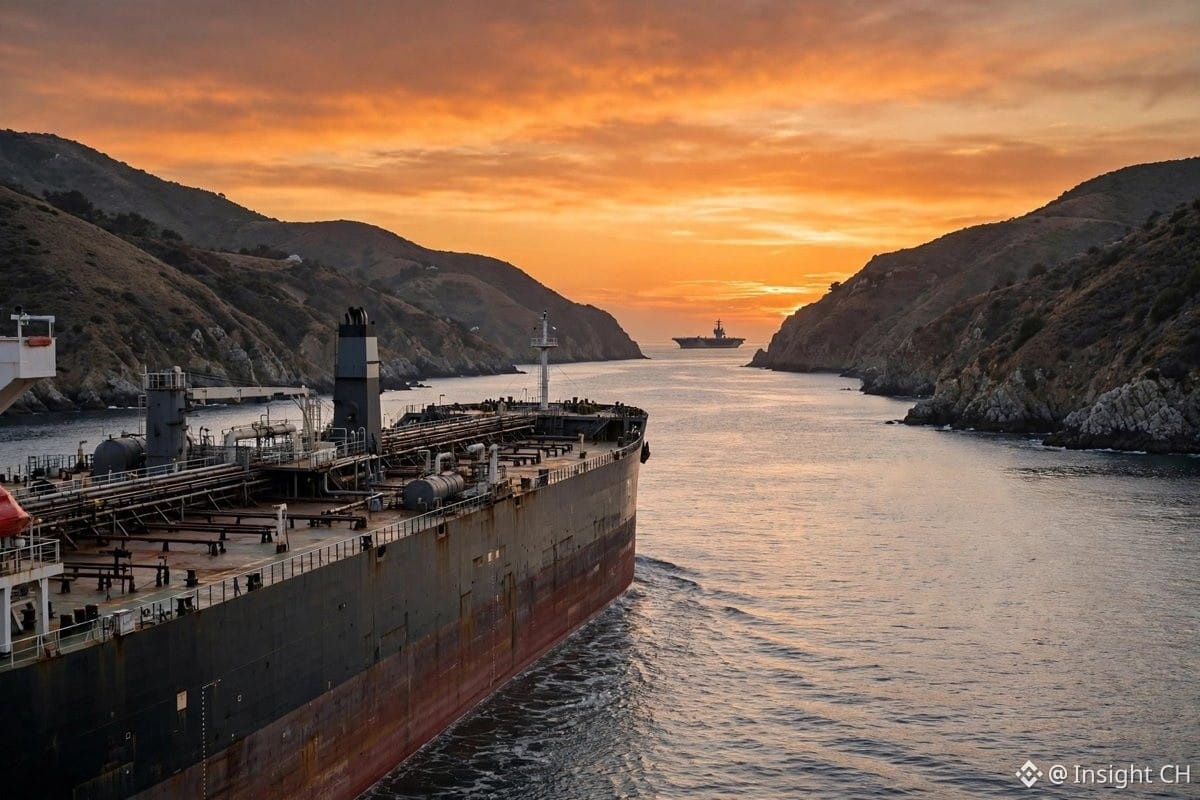
U.S.-Iran tensions escalate: Trump considers large-scale strikes on Iran; oil tankers attacked again in Strait of Hormuz
According to The New York Times, citing U.S. and Israeli officials involved in the discussions, Trump is considering options for a new round of large-scale strikes on Iran but has not yet made a final decision. Meanwhile, Iran has taken a harder line following the midterm elections and drawn up escalation plans that include attacks on oil tankers, in an effort to force Washington back to the negotiating table.
Shipping in the Strait of Hormuz has come under attack for several consecutive days: Iranian state television said three oil tankers caught fire east of the strait. The UK Maritime Trade Operations reported that an oil tanker was struck by an unidentified object while leaving the strait, hitting its engine room; all crew members were safe. Another vessel, the Panama-flagged liquefied gas carrier “Tara Gas,” was attacked twice and caught fire on the 16th and 17th. The crew evacuated, and one person is missing.
Yemen’s Houthi movement said it had attacked King Khalid International Airport and the financial center in Riyadh, Saudi Arabia, and had used ballistic missiles to strike targets in Jizan and sensitive targets at the Khmeimim Air Base in Syria.
U.S. military deployments have shifted: the “George Washington” carrier strike group has left the Gulf and is returning to its home port in Yokosuka, Japan. The “Theodore Roosevelt” arrived in the region on Monday, and two aircraft carriers are still stationed in the Middle East. Iran’s deputy parliamentary speaker warned that if Iran cannot export oil, other countries in the region should not be allowed to export it either.
Despite the escalation, oil prices plunged on the 18th: U.S. crude inventories rose more than expected, sending WTI down 3.2% to close at $83.26 a barrel, its lowest level since August 26. Brent fell 1.28% to close at $91.95 a barrel.
$BTC $ETH
#geopolitics #oil