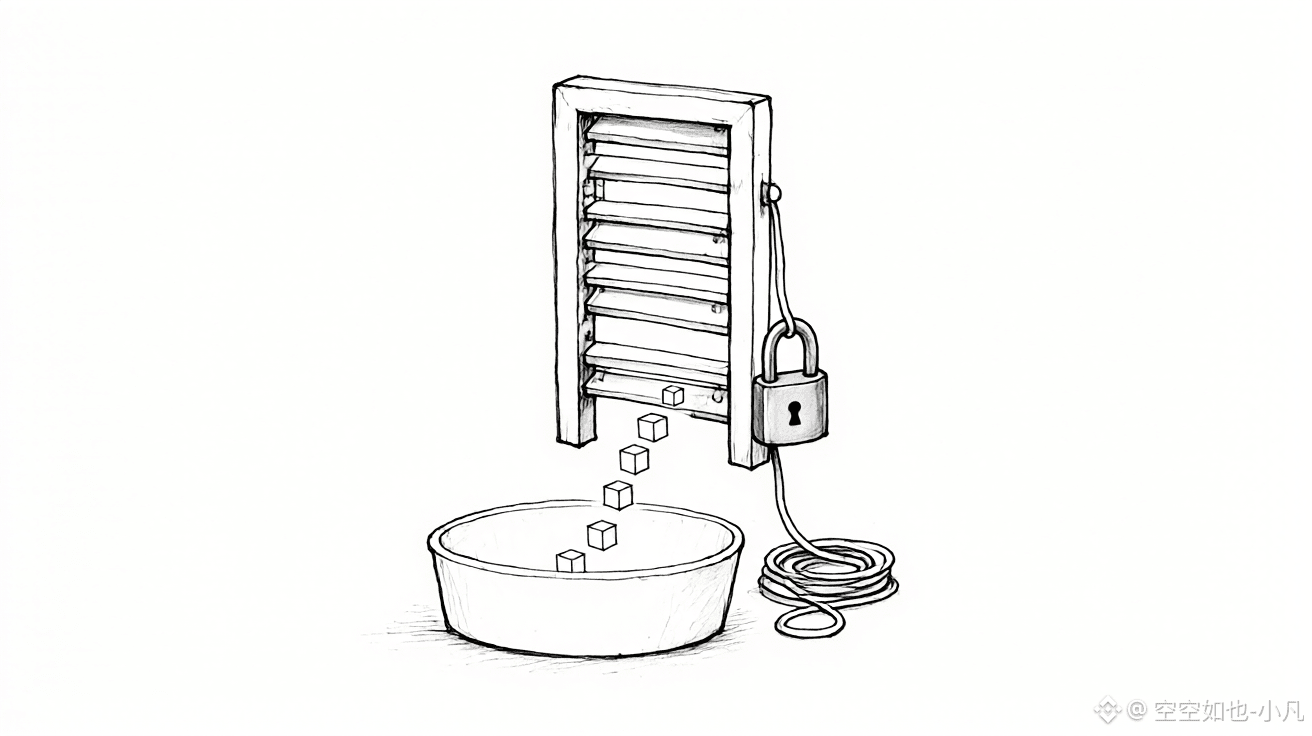
Four types of limits—on clearing scope, clearing volume, number of members, and loss metrics—are set on a case-by-case basis. The Bank of England builds these restrictions into the mobilisation-period permission for a new clearing house, and they must be submitted together with the application. $ZEC
These four are what the Bank calls activity limits. Put simply, you can run live operations, but only on a small scale; the Bank sets the scale based on your circumstances. To expand, you first have to complete the operational build-out and bring back the rules that were previously waived. The restrictions automatically expire when the mobilisation period ends. $BTC
There is also a voluntary requirement attached. The Bank generally won’t let a mobilisation permission take effect on its own; it must be paired with a voluntary commitment to limit activity. The idea is to build the boundaries into the permission itself, closing off the option of putting guardrails around the activity from the outside after testing has begun. $XAU
The requirements are set out in considerable detail.
There is also an opening for stablecoins, but it is a narrow one. Eligible stablecoins can enter the Digital Securities Sandbox one at a time; there is no blanket approval. The decision is based on the risks of the underlying business, not much on the label attached to it. The route of invoking a new blockchain to seek lighter regulation is clearly closed off.
Existing clearing houses can also make changes; this isn’t just for new entrants. Under the Bank’s proposed approach, those looking to add new products or services can apply to vary their recognition order, after first speaking with their usual regulatory contact. The regulator has also shortened the process, simplified the internal steps, and introduced a single materiality threshold to determine whether a change needs to be submitted for review.
Reading these pages together, I see a very concrete piece of housekeeping: who applies first, how broad the scope can be, and when the restrictions can be lifted. The framework is in place; what remains is the hard, case-by-case work of keeping the books.
Personal views only; this is not investment advice. You are responsible for any gains or losses.
#英国央行推出覆盖DLT公司的清算所监管路径