

A major immigration-policy ruling raises a broader question about the United States' ability to attract global talent and maintain its influence in emerging technologies, including cryptocurrency and blockchain.
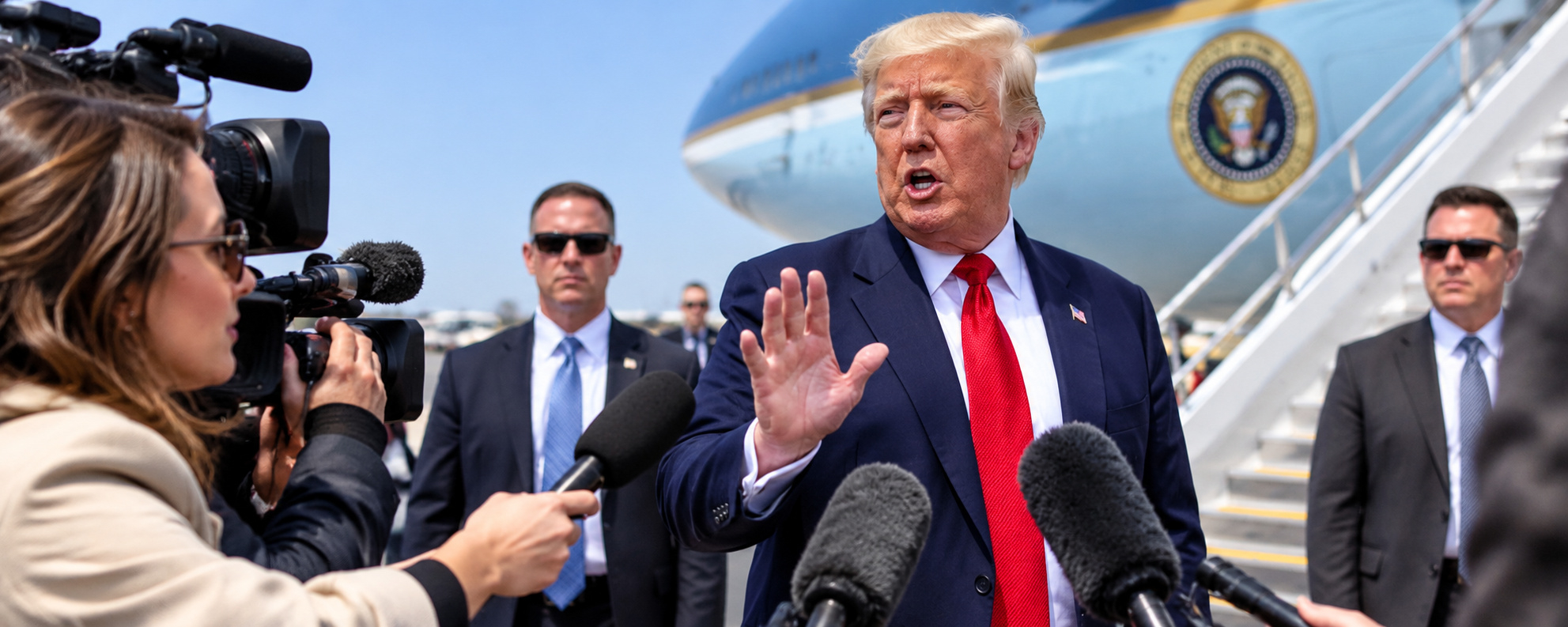
A US federal judge has struck down a Trump administration policy that would have introduced stricter limits on how long foreign students and international journalists could remain in the country.
The ruling, issued by US District Judge Dennis Saylor, represents an important development in the debate over immigration policy, international education, and America's long-term competitiveness in global innovation.
In his decision, Saylor described the proposed policy as "arbitrary, capricious, an abuse of discretion, and otherwise not in accordance with law."
The administration's proposed regulations would have changed the existing admission framework for international students and journalists.
Under the plan, foreign students would generally have been admitted for a maximum period of four years before requiring an extension. International journalists would have faced a 240-day limit, while Chinese journalists would have been restricted to 90-day stays, subject to extensions.
Previously, international students could generally remain for the duration of their academic programmes, while foreign journalists could receive stays of up to five years.
The policy had been scheduled to take effect in September but was temporarily put on hold by the judge. The administration has appealed the earlier decision.
Why This Matters Beyond Immigration
At first glance, the ruling may appear unrelated to cryptocurrency. However, its broader implications reach industries that depend heavily on international talent, research, innovation, and global collaboration.
The United States remains one of the world's most influential centres for cryptocurrency, blockchain development, venture capital, and financial technology.
These industries depend on more than investment capital. They also need software developers, cybersecurity researchers, engineers, entrepreneurs, academics, and independent journalists who understand rapidly evolving technologies.
International universities and research institutions play an important role in developing that talent.
Restrictions that make long-term academic research or international collaboration more difficult could create additional challenges for America's ability to attract and retain global expertise.
The Crypto Industry Needs Global Talent.
Blockchain technology is not confined to one country.
Its development involves international research teams, open-source contributors, cybersecurity specialists, digital-asset businesses, and entrepreneurs working across borders.
For the US crypto ecosystem, maintaining access to international talent and a predictable operating environment can be strategically important.
The same applies to international media coverage. Independent journalists help explain emerging technologies, investigate security incidents, and improve public understanding of digital assets.
The visa ruling does not change cryptocurrency regulations, exchange licensing requirements, or the legal status of digital assets. Its relevance is indirect: it highlights how broader government policies can influence the environment in which emerging industries grow.
A Question for America's Technology Leadership.
The United States welcomed more than 1.1 million international students during the 2023–24 academic year, according to the figures cited in the original report.
That international academic presence is an important part of the country's research and innovation ecosystem.
For an administration seeking to strengthen America's position in technology and financial innovation, balancing immigration controls with the need to attract international expertise remains a significant policy challenge.
The court's decision also highlights the importance of legal predictability when major policy changes affect universities, businesses, and international communities.
The bigger question is not simply how many people can enter the United States. It is whether the country can remain an attractive place for the world's brightest minds to study, build, research, and innovate.
As competition grows among global technology hubs, that question matters to the future of artificial intelligence, fintech, blockchain, and the wider cryptocurrency industry.
What do you think?
Can the United States maintain its leadership in crypto and blockchain innovation while introducing tighter immigration controls?
Or will international talent increasingly look toward other technology hubs?
#crypto #blockchain #USPolicy #DonaldTrump #fintech


