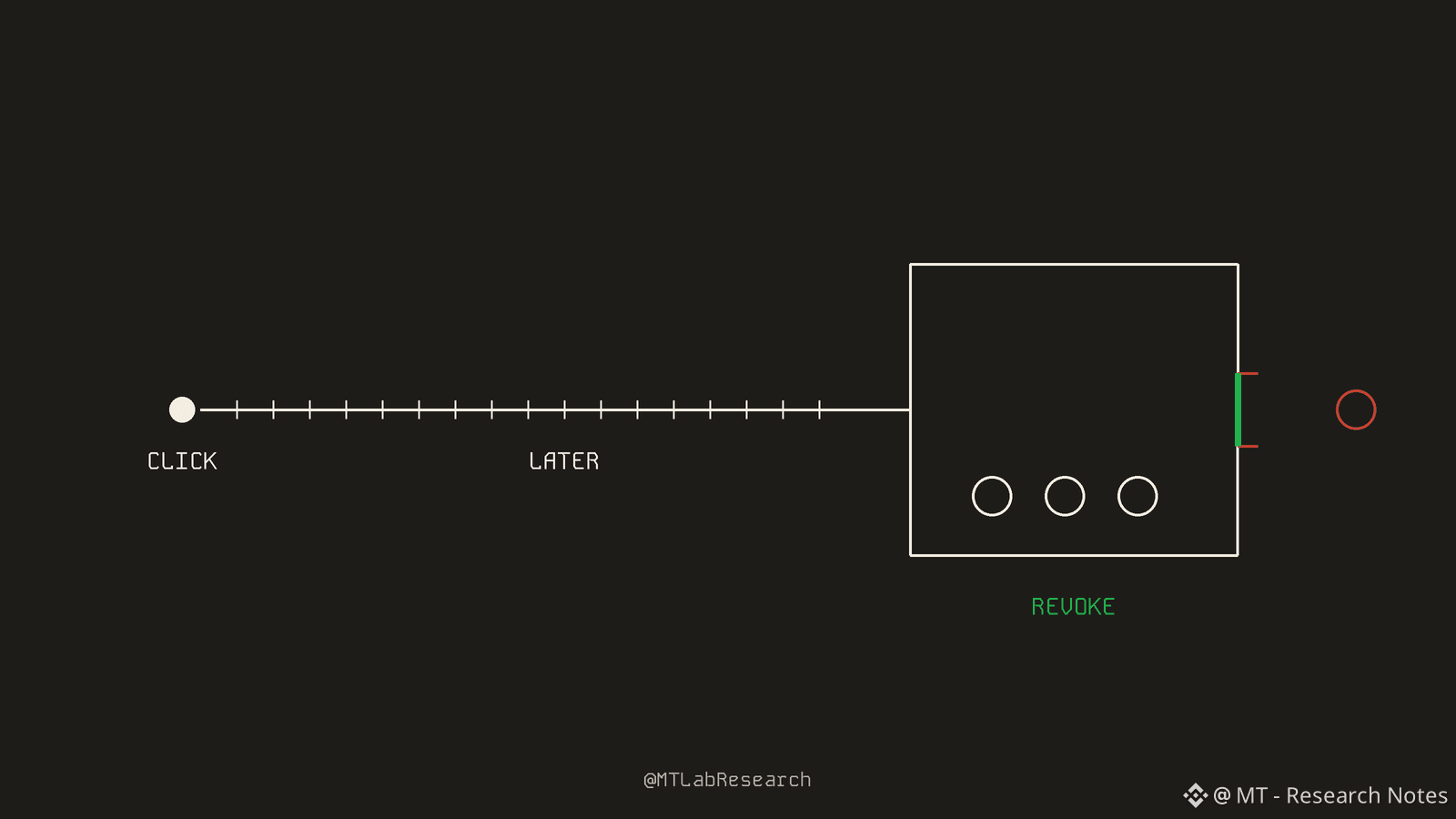
A click you made months ago can still empty your crypto wallet!
On Nov 16, Canada and the US launched Operation Niagara against approval phishing: scams that trick you into "approving" a scammer's access to your tokens.
It's led by the Ontario Securities Commission, with Canadian police, the US Secret Service and blockchain analytics firms like Chainalysis, TRM Labs and Elliptic.
How the scam works, in plain words:
> A fake pop-up that looks like it comes from a trusted app asks you to "approve" something. It feels like a login or a claim.
> In reality you just gave a scammer's address permission to move your tokens. No password stolen, no hack.
> You signed it, so the chain treats the theft as allowed. And once the money moves, it generally can't be reversed.
What's new, per the reports? The operation tries to spot attacks in near real time, even when access was stolen but not used yet, and to reach victims before the money leaves.
What we don't know? The OSC hasn't shared how many victims, scam networks or dollars are involved. So treat it as a start, not a result. Its March predecessor, Operation Atlantic, reported over $45M in crypto tied to fraud, $12M frozen and 120+ scam domains shut down.
What it teaches?
- Police can warn you after the signature. Only you decide before it.
- Read what a wallet prompt gives away, and to whom. If you can't tell, don't sign.
- Check your open approvals with a revoke tool (revoke(.)cash is a common one) and cancel the old ones you don't use.
- Keep long-term coins in a wallet that never signs approvals.
- "Officials" who contact you first? Verify through the agency's own official number, never a link in a message.
When did you last check your approvals?
Experience, not financial advice.
#CanadaAndUSLaunchOperationNiagaraAgainstApprovalPhishing
On Nov 16, Canada and the US launched Operation Niagara against approval phishing: scams that trick you into "approving" a scammer's access to your tokens.
It's led by the Ontario Securities Commission, with Canadian police, the US Secret Service and blockchain analytics firms like Chainalysis, TRM Labs and Elliptic.
How the scam works, in plain words:
> A fake pop-up that looks like it comes from a trusted app asks you to "approve" something. It feels like a login or a claim.
> In reality you just gave a scammer's address permission to move your tokens. No password stolen, no hack.
> You signed it, so the chain treats the theft as allowed. And once the money moves, it generally can't be reversed.
What's new, per the reports? The operation tries to spot attacks in near real time, even when access was stolen but not used yet, and to reach victims before the money leaves.
What we don't know? The OSC hasn't shared how many victims, scam networks or dollars are involved. So treat it as a start, not a result. Its March predecessor, Operation Atlantic, reported over $45M in crypto tied to fraud, $12M frozen and 120+ scam domains shut down.
What it teaches?
- Police can warn you after the signature. Only you decide before it.
- Read what a wallet prompt gives away, and to whom. If you can't tell, don't sign.
- Check your open approvals with a revoke tool (revoke(.)cash is a common one) and cancel the old ones you don't use.
- Keep long-term coins in a wallet that never signs approvals.
- "Officials" who contact you first? Verify through the agency's own official number, never a link in a message.
When did you last check your approvals?
Experience, not financial advice.
#CanadaAndUSLaunchOperationNiagaraAgainstApprovalPhishing