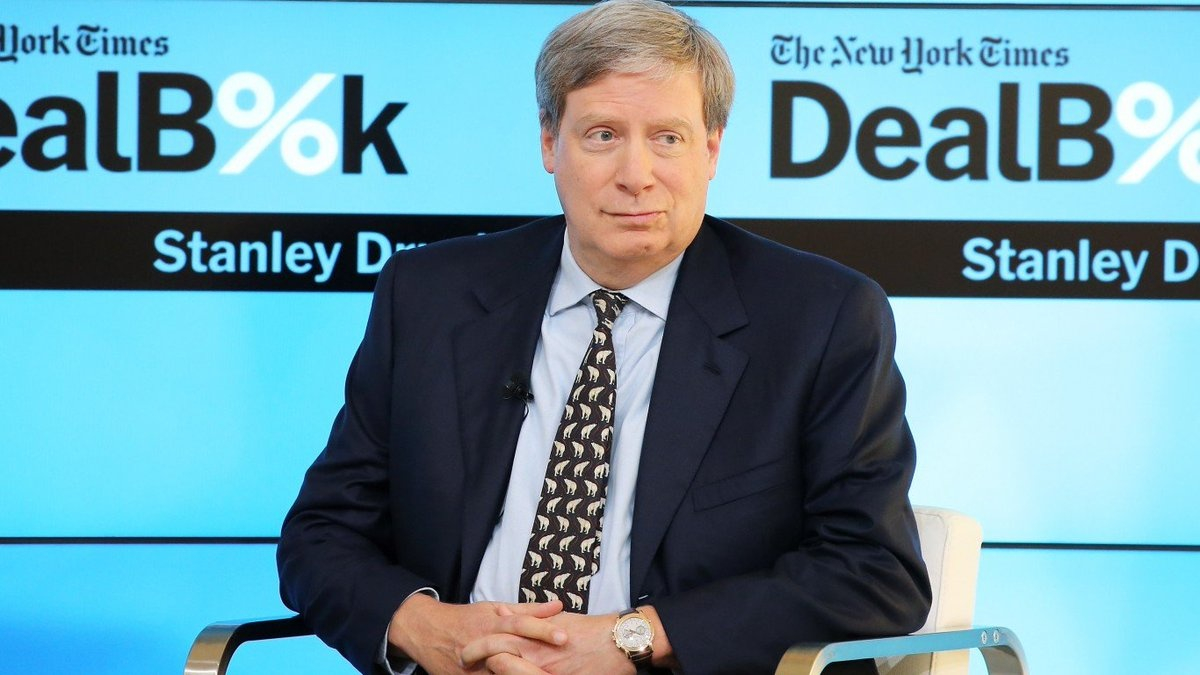
If you’re wondering, even Druckenmiller has reduced his net stock exposure to almost zero, yet he’s unwilling to go heavily short. Just how hard is this market to trade?
He revealed that almost none of the assets he holds now are ones he still owned in January this year.
Back in January, he still thought a U.S. recession in the next 12–18 months was almost impossible.
Strong growth, tight credit spreads, favorable technicals, and the AI revolution—there seemed to be little to worry about.
But now, in his view, almost every signal has changed, except that the economy remains strong.
He believes the Fed is tightening policy, and noted that Warsh is deeply unhappy with the easy-money environment of the past 15 years.
Commodities have peaked and are falling, and he has already started shorting copper.
The U.S. stock market’s advance-decline line peaked as early as August 14, and credit spreads are widening too.
A strong economy doesn’t mean there aren’t problems beneath the surface of the market.
But his response isn’t to turn around and make a huge bet on a downturn.
His net stock exposure is basically zero, and he isn’t shorting on a large scale either: in his view, technological innovation and the market’s positioning still make shorting extremely risky.
He even said he can hardly remember another period in his career when he felt so uncertain about the market over the next 12 months.
This isn’t a confident call that the market will fall; he simply doesn’t want to force a guess about its direction.
Someone who makes a living by judging the market is now choosing to step back for a while.
If it were you, could you accept leaving your account mostly untouched for a while, or would you always feel that not trading means losing out? $BTC