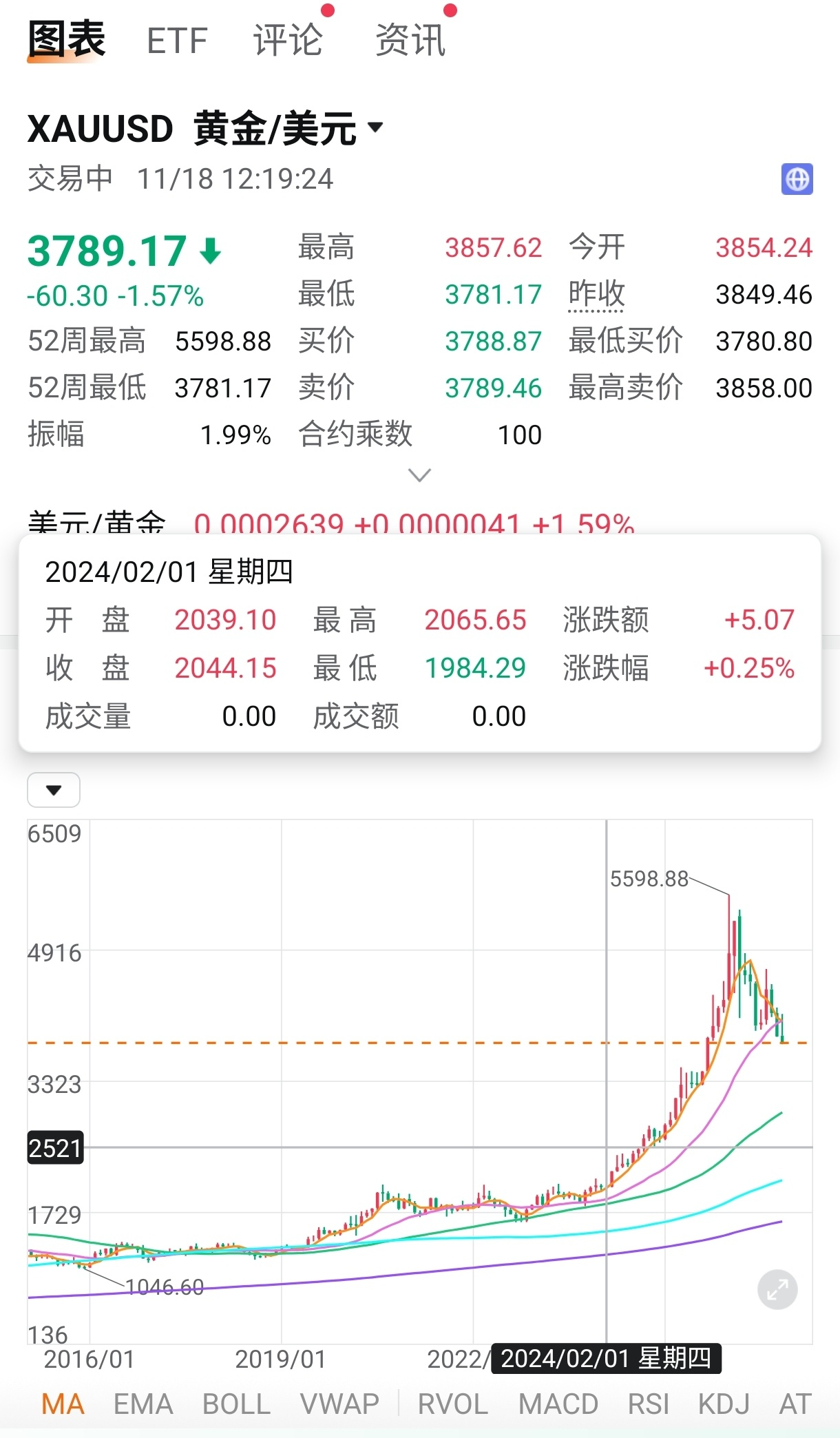
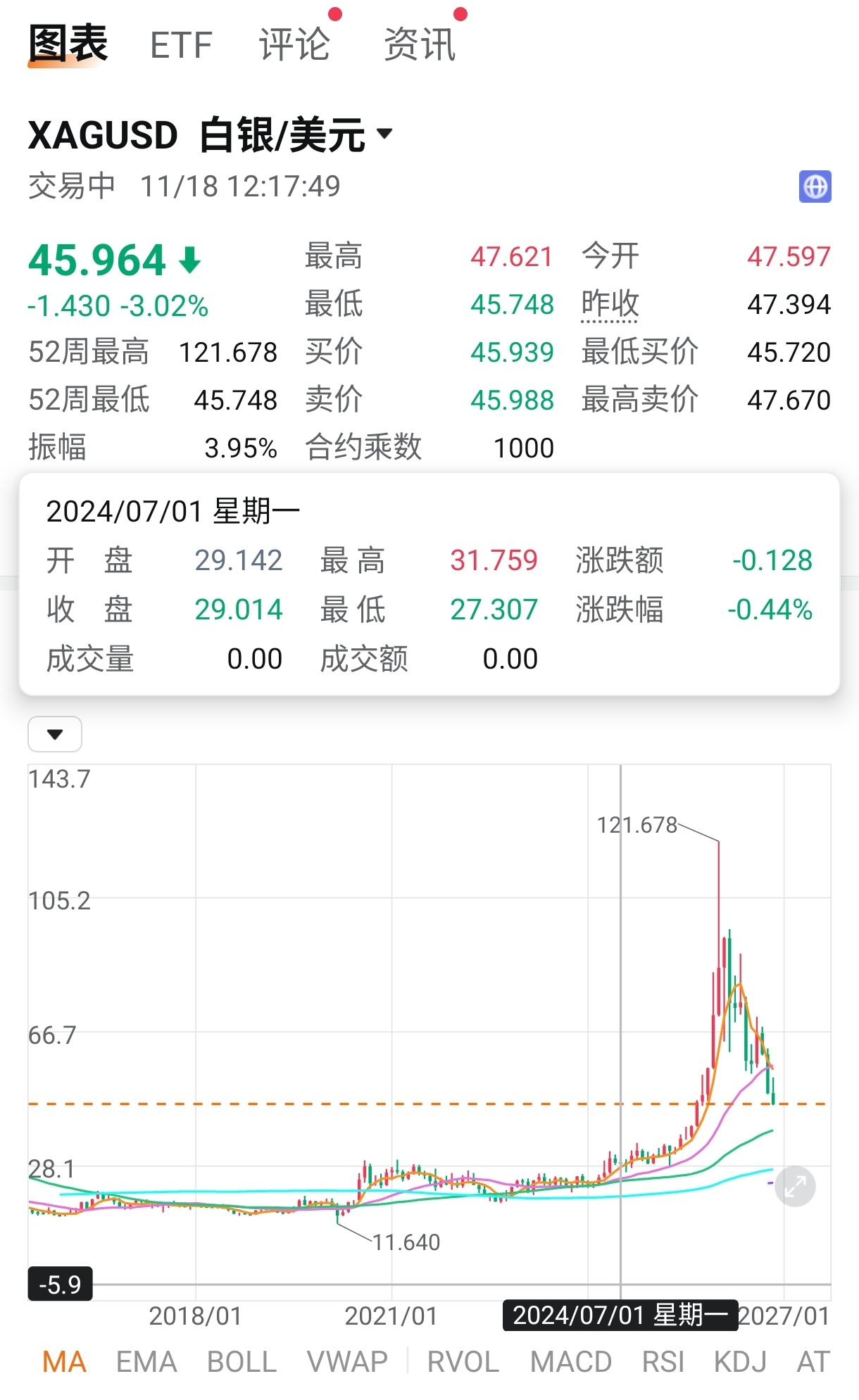
For cryptocurrency price movements, you only need to look at gold and silver. The current forecast is that prices will keep falling. The supply-demand balance for silver is relatively weak; demand isn’t that high. Prices have also risen a lot since last year, so there’s still plenty of room for a sharp drop. The same goes for AI stocks in the U.S.—the bubble is huge. When Android came out, was Symbian still that popular?
The AI software industry can disappear just like that. A few years from now, people might not even mention ChatGPT anymore. The pace of updates and replacements is incredibly fast, and products are easy to copy—just like nobody talks about Lobster now. There are too many similar products.
BTC’s integration into traditional finance has pros and cons
Pros: ETFs have launched, and mainstream exchanges have connected with traditional assets. BTC has gone from being a purely crypto-native speculative asset to an institutional asset-allocation target, gaining a ticket to enter the mainstream.
Cons: Its pricing anchor is now tied to other assets, so it no longer moves independently. BTC’s correlation with gold has risen at times. When gold weakens, it’s hard for BTC to rally on its own; it isn’t a safe-haven asset like gold.
Now that it’s tied to gold, BTC has an additional anchor, but it hasn’t gained gold’s safe-haven properties. If gold plunges because of tightening macro liquidity, BTC will fall much harder than gold.
Silver and gold still have plenty of room to fall. If you see both silver and gold dropping, it doesn’t mean Bitcoin is holding up well—it’s building up for a sudden wick down, a crash.
$XAG
$XAU
$BTC