
I. Today's View
Bitcoin is currently quoted at $64,492, up just 0.16% over the past 24 hours. Ethereum is at $1,807.01, down slightly by 0.28%. Looking at the broader one-week picture, Bitcoin has fallen 12.64% over the past seven days and is now at $64,492, near the lower end of its $62,006–$74,811 range, at the 19% mark. Ethereum is likewise at the 24% mark of its $1,711.08–$2,103.78 range. Both are hovering near recent lows. The Fear and Greed Index is just 10, signaling extreme caution, but prices have not continued to plunge. This suggests that bears have yet to find a fresh catalyst, while bulls are also wary of adding to their positions.

The day's sideways trading took place against a backdrop of tight liquidity. Funding rates for Bitcoin and Ethereum futures were 0.003578% and 0.006824%, respectively. These figures can be thought of as a small fee paid between longs and shorts: whichever side is more crowded pays the other. The rates are positive, indicating a slight advantage for longs, but they are very low and nowhere near levels associated with overheated leverage. Over the past 24 hours, $404 million in positions were liquidated across the market, up 47.2% from the previous day. However, this was only a partial flush compared with total open interest of $110.8 billion. Meanwhile, large institutions are still entering the market gradually: Brevan Howard's Bitcoin spot ETF holdings have grown approximately 211% since June, reaching a market value of $1.1 billion. These long-term allocations are not focused on day-to-day price moves; they are concerned with the asset's place in their portfolios. This can provide some support at the lows, but is not enough to trigger a trend reversal.
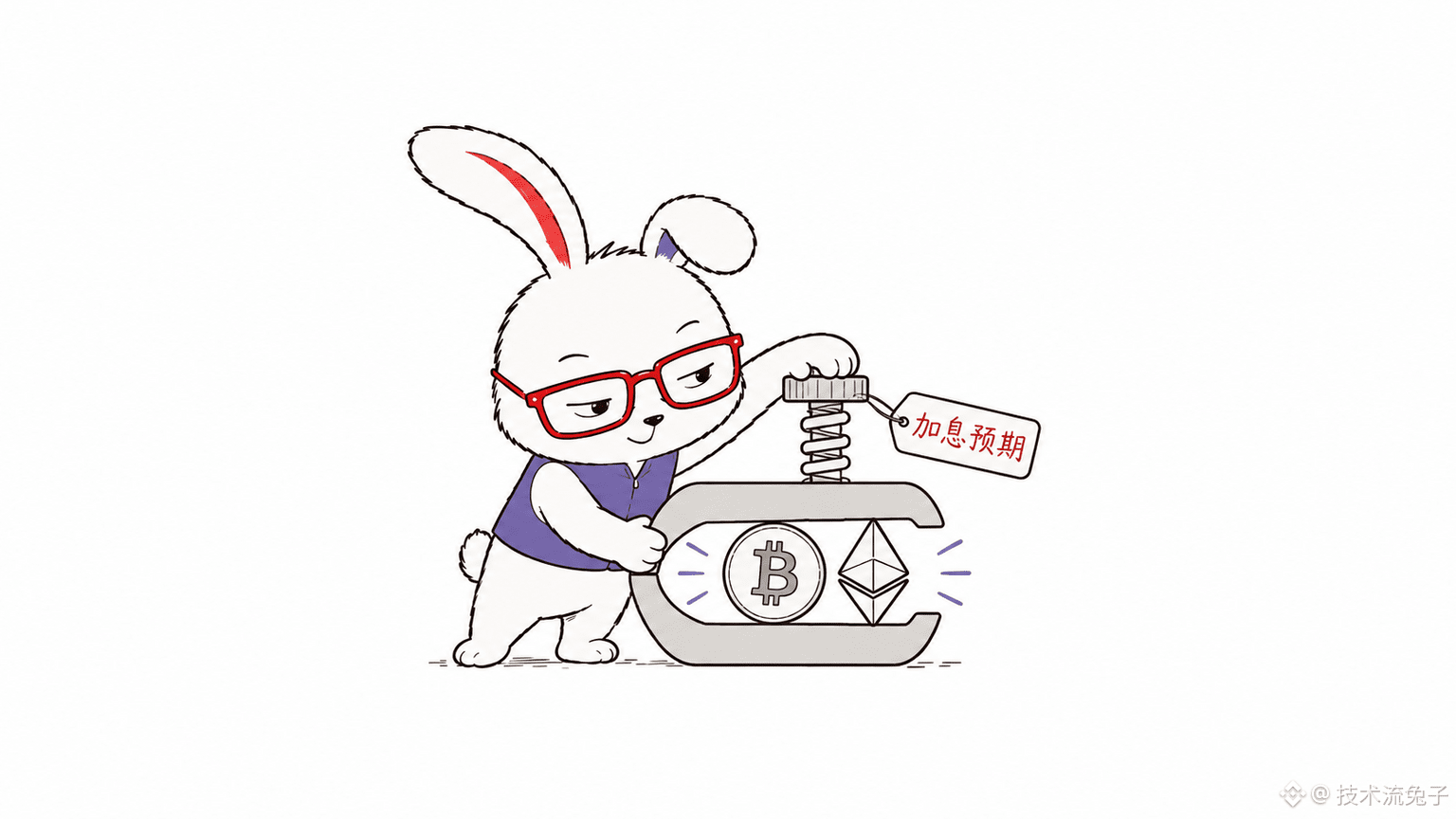
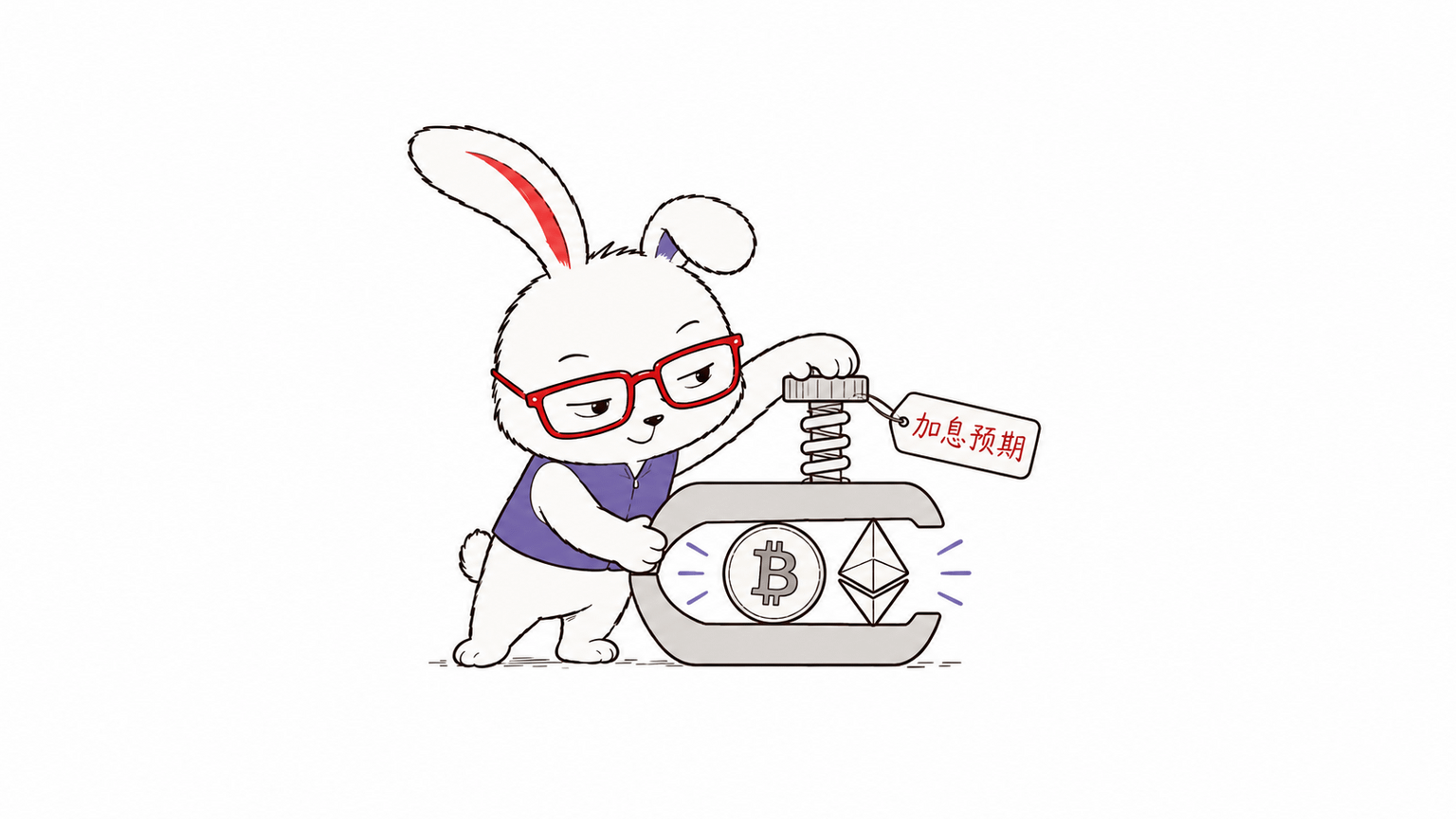
The more fundamental tension comes from rate expectations. New York Fed President Williams said inflation remains stubbornly high and that there are signs of tariffs and energy shocks passing through to broader inflation, but he believes aggressive policy action is not yet necessary. CME interest rate futures, however, show that the market has priced in a 25-basis-point Fed rate hike in December with a probability as high as 96.8%. Rising rate hike expectations mean higher dollar funding costs and reduced risk appetite, putting pressure first on assets like Bitcoin that generate no cash flow. This is why the community is seeing conflicting signals: large Ethereum addresses are buying the dip, while some miners are selling. Neither side has formed an overwhelming consensus. Prices are moving in a narrow range amid this uncertainty, awaiting clearer policy signals. The developments most likely to break this stalemate are the Fed's policy meeting minutes at 3 a.m. on November 19 and the subsequent SEC commissioner nomination hearing. If the minutes confirm a more aggressive rate path, risk assets could face another sell-off; if the wording is more moderate, the market may get a window for a rebound.
II. Today's News
1. Fed's Williams: Inflation Remains Stubbornly High, but Aggressive Policy Action Is Unnecessary
On November 18, New York Fed President Williams said inflation remains stubbornly high and that tariffs and energy shocks have already passed through to broader prices. However, he believes current financial conditions remain supportive of economic growth and that aggressive policy action is unnecessary. His comments offered the market a mild reassurance, but did not dispel inflation concerns. For cryptocurrencies, policymakers' wording affects market pricing of the Fed's rate path. Rate hikes raise the cost of capital and compress the valuation headroom for risk assets, so Bitcoin and Ethereum are usually sensitive to comments like these. The next thing to watch is whether the November 19 meeting minutes reveal more about the genuine differences among committee members.
2. Probability of a 25-basis-point Fed rate hike in December stands at 96.8%
CME federal funds futures show that the market has largely priced in a 25-basis-point rate hike in December, with the probability as high as 96.8%. This probability reflects traders' bets with real money, not an official commitment. Persistent rate hike expectations mean that returns on dollar deposits and other short-term assets are still rising. Bitcoin and Ethereum pay no interest, so the opportunity cost of holding them is increasing. However, the higher the probability, the more market volatility could be amplified if the final policy decision comes as a surprise. The crypto market is currently in a low-volume, wait-and-see mode, constrained by this interest-rate dynamic.
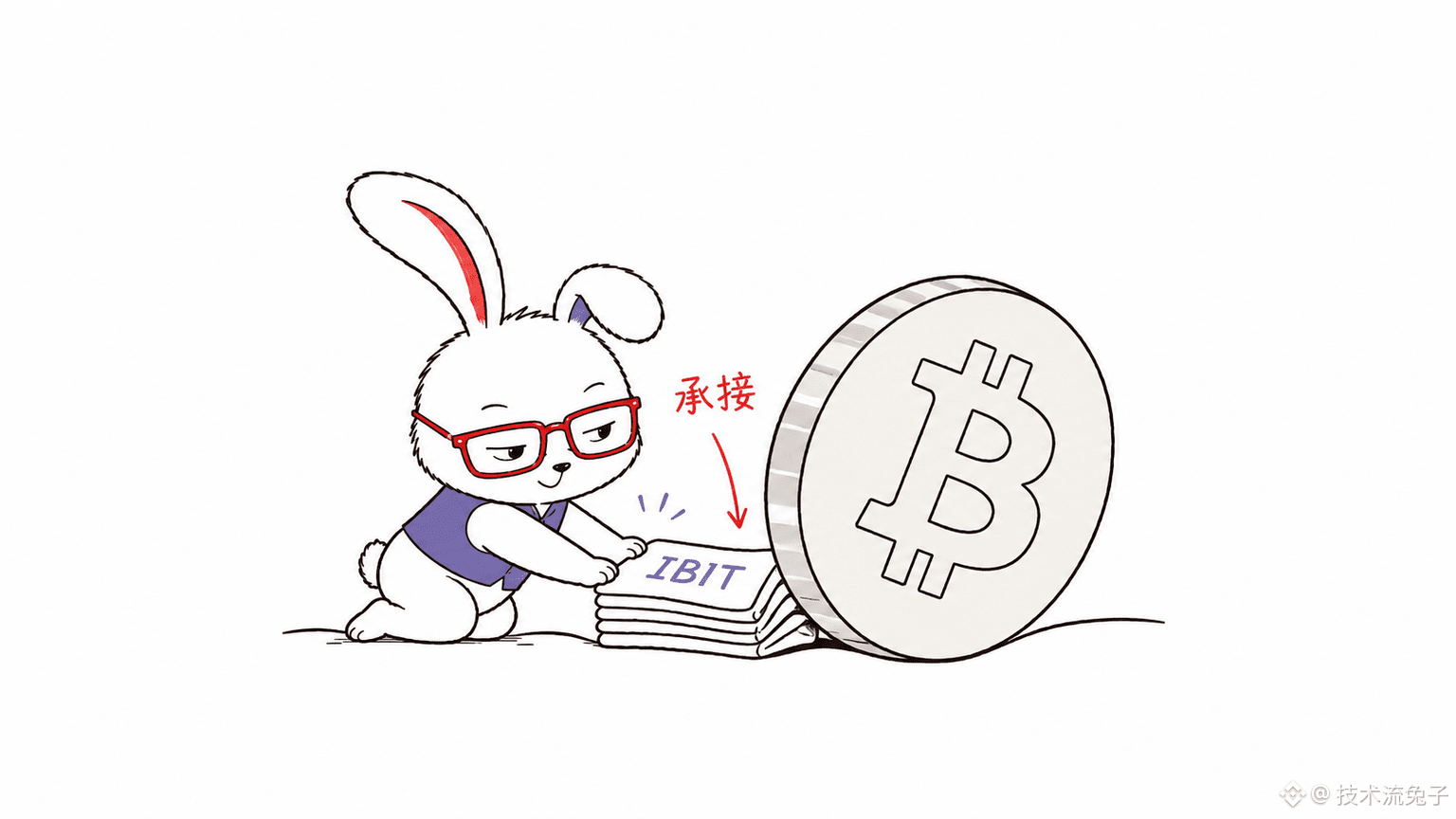
3. Brevan Howard increases its IBIT holdings to $1.1 billion, up approximately 211% since June
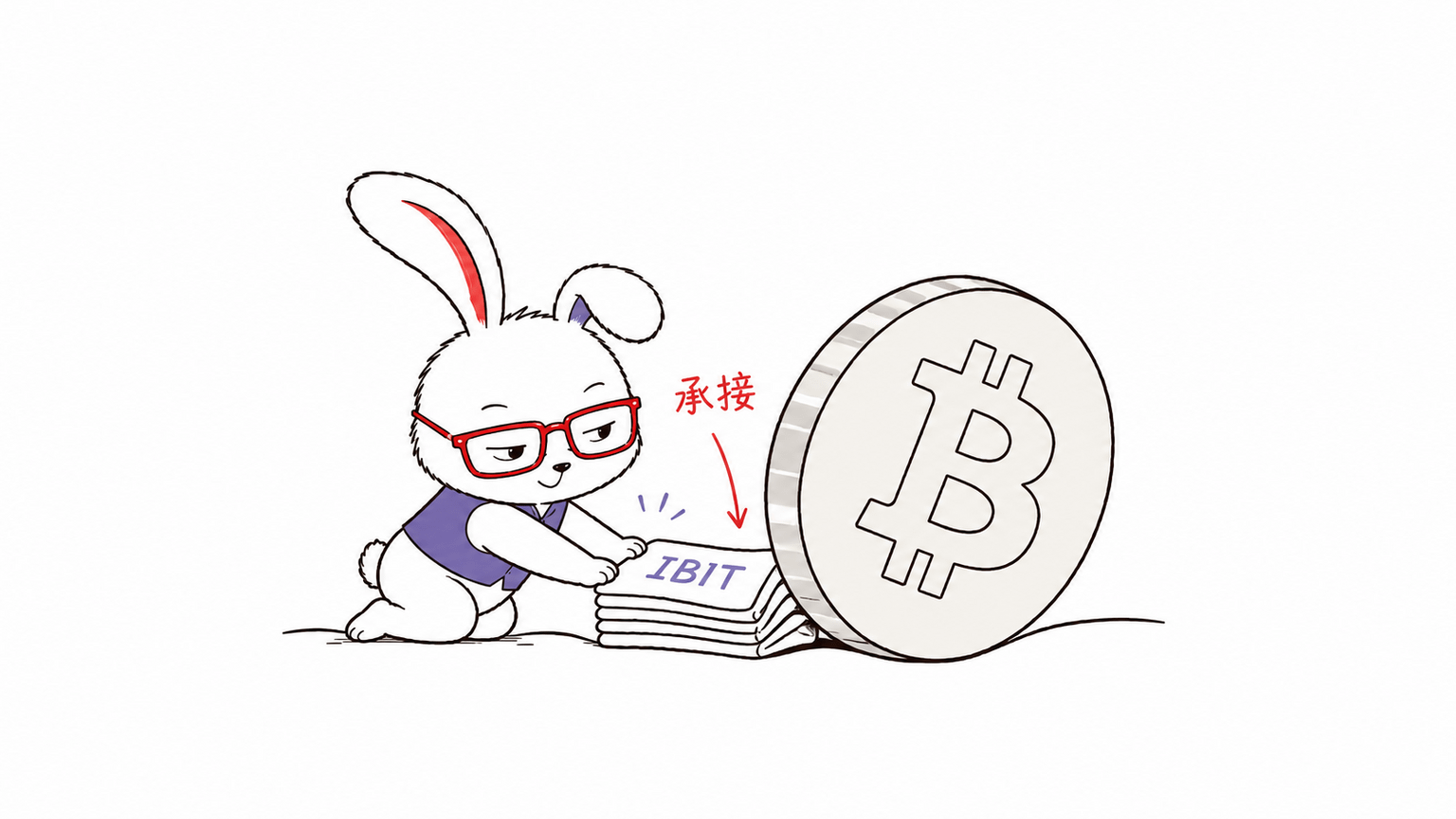
The latest holdings disclosure from investment management firm Brevan Howard shows that the market value of its iShares Bitcoin Trust (IBIT) holdings has risen to $1.1 billion, up approximately 211% since the end of June. IBIT is a Bitcoin spot ETF; buying it provides exposure to Bitcoin's price without directly holding private keys. Products like this are a regulated channel for traditional capital to enter the crypto market. Continued buying by institutions at low prices suggests that some long-term investors view current prices as an allocation opportunity. However, these are quarter-end holdings data, do not reflect real-time trading, and do not reveal whether the firm also used options to hedge. This is therefore more evidence of support near the lows than a catalyst for a short-term rally.
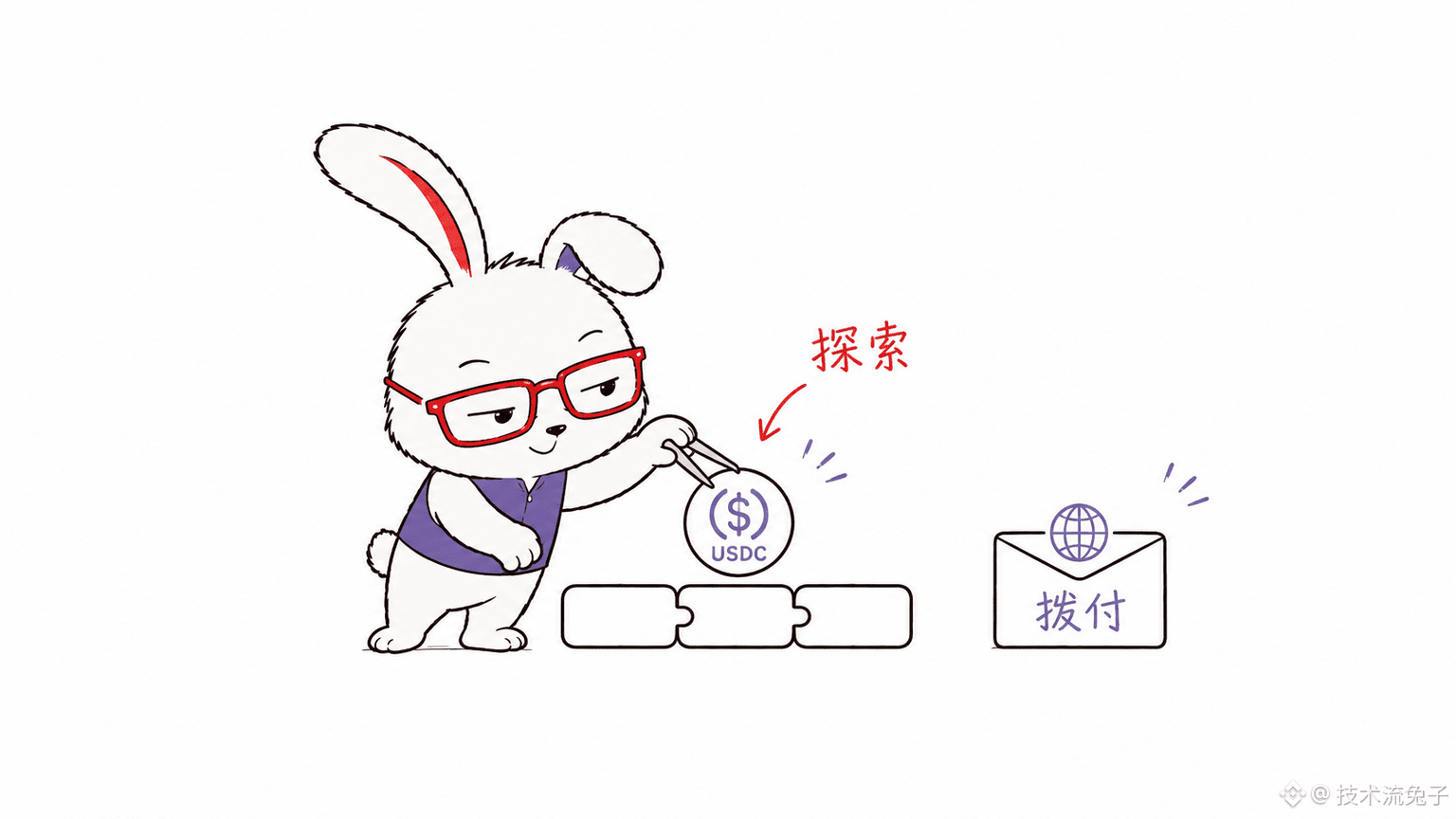
4. World Bank, Citi, and Circle explore using USDC for disbursements
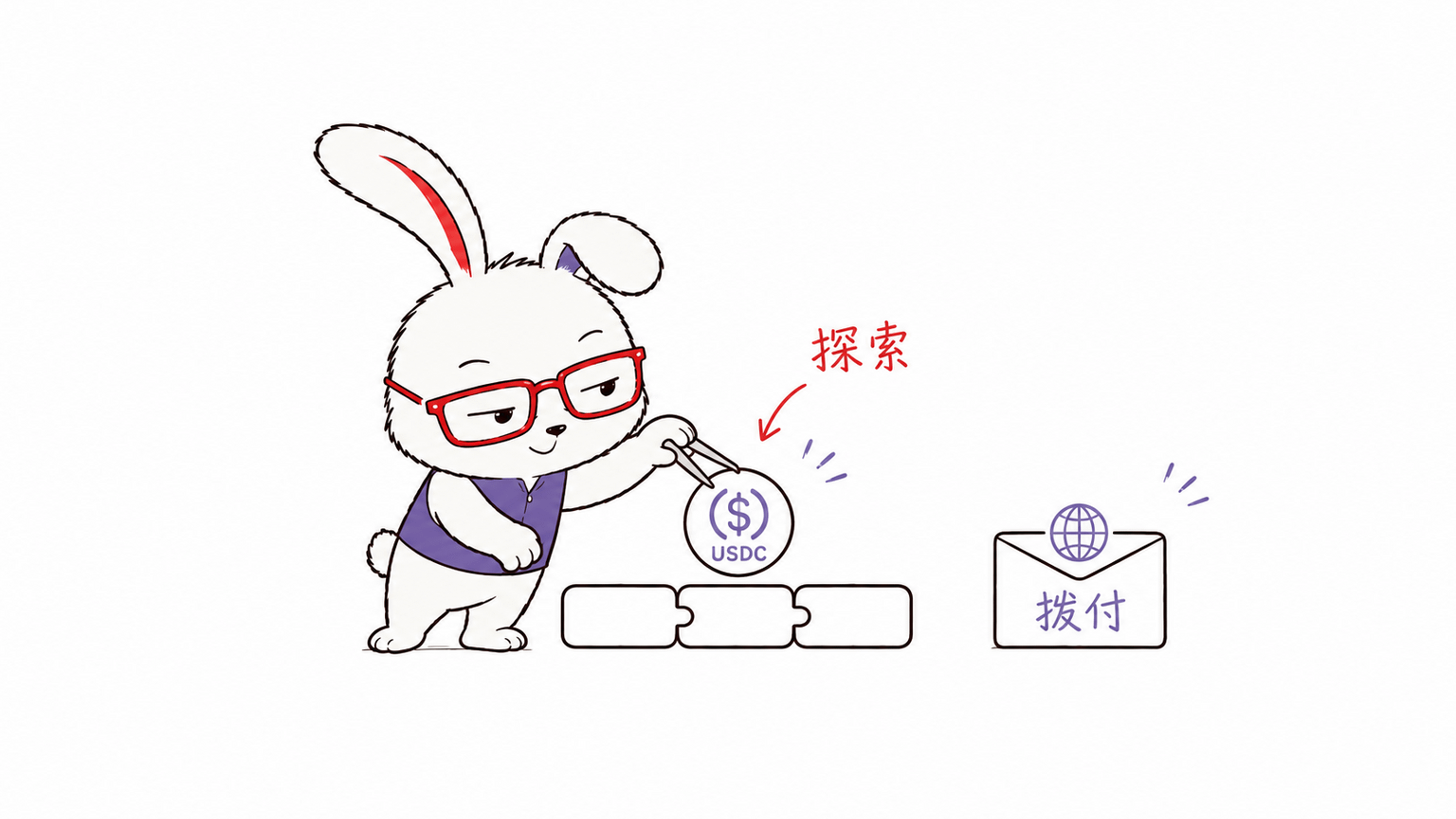
The World Bank Group announced a partnership with Citi and Circle to explore improving existing disbursement arrangements using the regulated U.S. dollar stablecoin USDC and blockchain payment channels. USDC is a stablecoin pegged 1:1 to the U.S. dollar, making it suitable for cross-border settlement. The World Bank's blockchain platform, FundsChain, already has more than 350 projects across 96 countries connected to it. The long-term significance is that traditional multilateral financial institutions are willing to experiment with on-chain payments, opening the door to compliant stablecoin use cases and helping bridge the trust gap between traditional finance and the crypto world. In the short term, this will not directly change Bitcoin's price, but it could raise the floor for risk appetite across crypto assets.
III. Crypto Calendar
Today's Events
TBD: Predict.fun launches PREDICT token TGE (postponed) — The token generation event has been postponed, with no new date set. Its impact is limited to the project or related sector, so it is mainly worth monitoring.
TBD: Withdrawal deadline for the delisted Upbit ICX trading pair — The exchange has delisted the trading pair, and today is the final day to withdraw. Related liquidity will gradually shrink, so watch for changes in spreads and market depth.
Upcoming Events
November 19, 03:00: The Federal Reserve releases the minutes of its monetary policy meeting — The minutes will reveal details of officials' discussions about inflation and interest rates, directly affecting macro risk appetite and Bitcoin flows.
November 19, TBD: U.S. Senate Banking Committee to hold hearing on two SEC commissioner nominees — The hearing outcome could influence the future style of crypto asset regulation and affect short-term risk appetite for crypto assets.
November 20, 05:00: The SEC will host a crypto asset session at its National Compliance Outreach Workshop — Public discussion of crypto assets by regulators could provide clearer compliance signals and affect market sentiment.
November 20, 19:00: LayerZero (ZRO) to unlock 23.29 million tokens, worth approximately $39.12 million — The short-term increase in token supply could weigh on ZRO's price if selling pressure is concentrated, but the impact is likely to be limited.
November 20, 20:00: Kaito (KAITO) to unlock approximately 17.6 million tokens, worth approximately $3 million — The small unlock is likely to have a limited impact on the broader market, but is worth monitoring as an indicator of supply pressure.
IV. Sentiment Monitoring
There is considerable division in community discussions, centered on whether this latest low-level Bitcoin rebound can be trusted. Bulls argue that large Ethereum addresses have been buying recently and that Bitcoin spot ETFs have ended a streak of consecutive net outflows with modest inflows, viewing these as signs of a bottom. Bears counter that trading volume has not risen in tandem, altcoins show no signs of a rotation-driven catch-up rally, and institutional selling and miner sell-offs remain a concern. They see the rebound as more of a technical breather after an oversold decline. Sentiment is characterized not by panic selling, but by hesitation and caution, with little certainty about upcoming macroeconomic data or policy signals. Some participants have also begun shifting their focus from Bitcoin to Ethereum's relative strength, arguing that Ethereum is finding buyers near the lows but is still underperforming the broader market. Overall, sentiment and price direction are not fully aligned: prices have dipped slightly, but discussions still include many observations that lean bullish. This suggests the market is digesting the bull-bear conflict through low volatility.
This article is compiled based on the day's market data, important news, and sentiment monitoring. It is for informational purposes only and does not constitute investment advice.