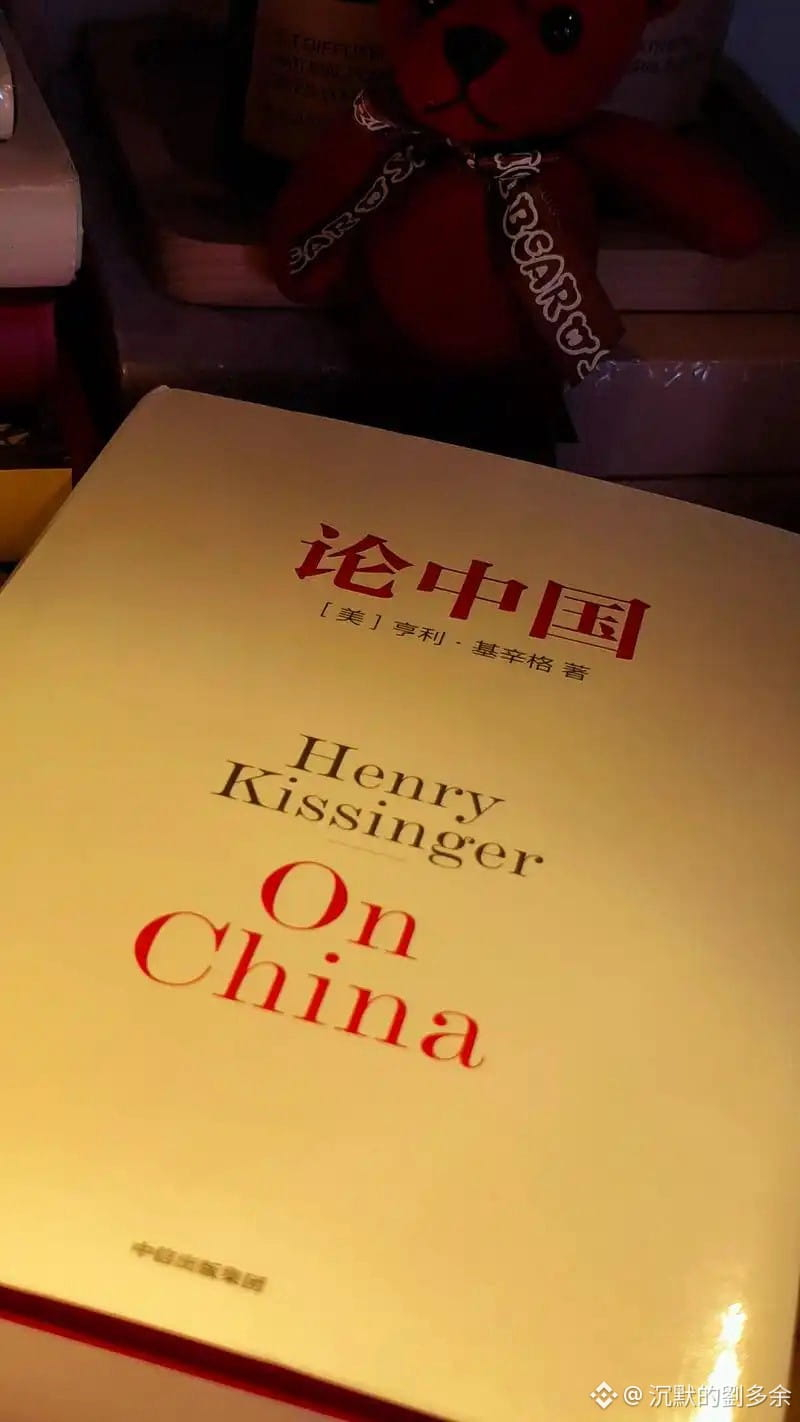
A friend mentioned that many of the judgments Kissinger made about China back then have now become reality, and said they found it astonishing. In fact, I felt the same way when I first read those remarks.
It was only later, after reading the declassified U.S. government transcripts of Nixon’s talks with Chairman Mao during his visit to China, that I gradually understood why Kissinger was so confident about China’s future development.
Many of the issues discussed throughout the talks remain central to the United States’ international strategic planning today. To a great extent, he was even urging the United States to set aside its differences with Japan and Europe and strengthen cooperation. He repeatedly emphasized that the United States should seek cooperation with Japan and not let internal disagreements undermine long-term international strategic relationships.
The talks also touched on some details: the xenophobic side of the Chinese national character; how Chinese people did not like fighting with other countries, and needed to learn foreign languages and understand more about the outside world; and how he hoped the next generations of China and Japan would not continue to bear the burden of historical divisions, but that young people from both countries could interact normally.
At the same time, his assessment of the Soviet Union was also very clear. He even bluntly called the Soviet Union a bad actor, and said that China was already prepared for the possibility of military conflict with it.
As for socialist and capitalist ideologies, he explained in the talks that they did not really matter: it was normal for the two sides to trade insults, while communication and cooperation were the norm. But the Soviet Union’s imperial socialism was wrong, and that had to be recognized.
Looking back at history, it is hard to find political strategists like this, either at home or abroad.
The discussions at the time were about far more than normalizing relations between China and the United States. They were about how a country understands itself and its neighbors, and how it repositions itself within the world order.
Decades have passed, yet many of the issues discussed back then remain central to international politics today.
It is only natural that Kissinger and Nixon were astonished.
Even today, the political landscape of China, the United States, and indeed the world has not moved beyond those two conversations.
Looking back again, it is still astonishing.
$BTC $ETH #btc #eth