#香港拟年底提交数字资产监管法案 Hong Kong Plans to Submit Digital Asset Regulatory Bill by Year-End, as Industry Competition Enters an Era of Full Compliance
On November 16, Hong Kong Financial Secretary Paul Chan said at the Bloomberg Global Regulatory Forum that Hong Kong plans to submit a digital asset regulatory bill to the Legislative Council by the end of 2026. The bill will further bring digital asset trading, investment advisory, asset management, and custody services within the scope of licensing regulation, while continuing to follow the principle of “same business, same risks, same regulation.”
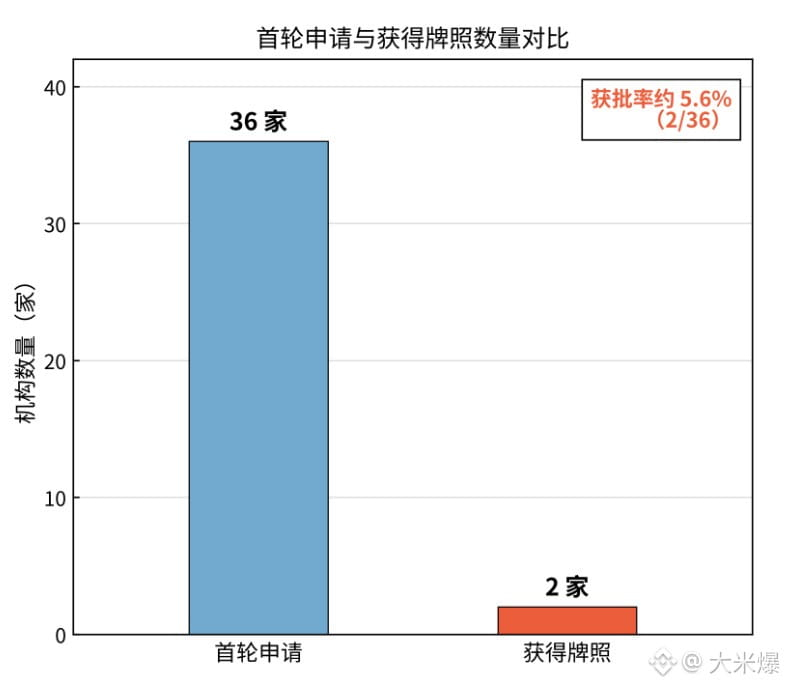
In the stablecoin sector, 36 institutions applied for licenses in Hong Kong’s first application round. Two were granted licenses in April this year and have since launched Hong Kong dollar stablecoins. Meanwhile, the value of tokenized funds issued to the public in Hong Kong has grown to around seven times its level a year ago, and two tokenized money market funds are now available for round-the-clock trading on licensed platforms.
These developments indicate that Hong Kong’s strategic focus in developing digital assets is shifting from cryptocurrency trading toward building financial infrastructure. Stablecoins, asset tokenization, cross-border payments, and digital asset custody may become the main areas of competition in the next phase.
However, as the regulatory scope expands, compliance costs and barriers to market entry for crypto firms will also rise. Leading companies with licenses, technological infrastructure, and institutional client networks may capture a greater share of the market, while projects lacking compliance capabilities and viable business models may face mounting pressure to survive.
For the RWA sector, a clearer regulatory framework can help bring traditional financial assets onto blockchain markets. But the projects most likely to benefit will be those capable of issuing assets, settling trades, and providing custody.
Hong Kong is not vying for speculative cryptocurrency capital, but for the rights to issue, trade, and price assets in the future digital financial system. When regulation becomes a barrier to entry, compliance capability itself will also become a business moat.
On November 16, Hong Kong Financial Secretary Paul Chan said at the Bloomberg Global Regulatory Forum that Hong Kong plans to submit a digital asset regulatory bill to the Legislative Council by the end of 2026. The bill will further bring digital asset trading, investment advisory, asset management, and custody services within the scope of licensing regulation, while continuing to follow the principle of “same business, same risks, same regulation.”
In the stablecoin sector, 36 institutions applied for licenses in Hong Kong’s first application round. Two were granted licenses in April this year and have since launched Hong Kong dollar stablecoins. Meanwhile, the value of tokenized funds issued to the public in Hong Kong has grown to around seven times its level a year ago, and two tokenized money market funds are now available for round-the-clock trading on licensed platforms.
These developments indicate that Hong Kong’s strategic focus in developing digital assets is shifting from cryptocurrency trading toward building financial infrastructure. Stablecoins, asset tokenization, cross-border payments, and digital asset custody may become the main areas of competition in the next phase.
However, as the regulatory scope expands, compliance costs and barriers to market entry for crypto firms will also rise. Leading companies with licenses, technological infrastructure, and institutional client networks may capture a greater share of the market, while projects lacking compliance capabilities and viable business models may face mounting pressure to survive.
For the RWA sector, a clearer regulatory framework can help bring traditional financial assets onto blockchain markets. But the projects most likely to benefit will be those capable of issuing assets, settling trades, and providing custody.
Hong Kong is not vying for speculative cryptocurrency capital, but for the rights to issue, trade, and price assets in the future digital financial system. When regulation becomes a barrier to entry, compliance capability itself will also become a business moat.