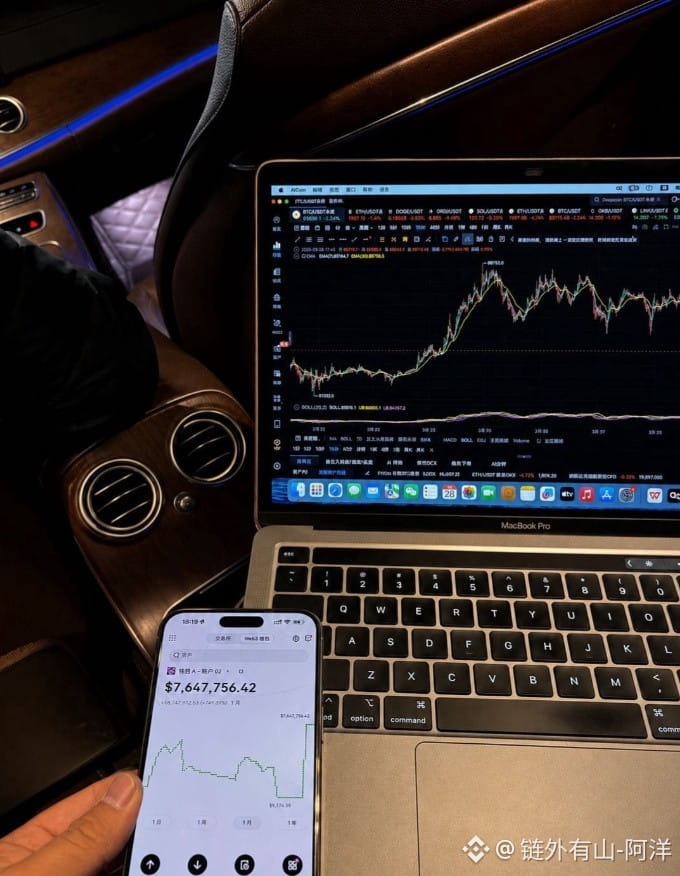
Turned 10,000 into 70,000 in one day. No magic tricks—just treating trading like a craft. Six lessons: master even one and you’ll take fewer hits:
① Fast rises, slow falls = a shakeout
When it surges up and creeps back down, don’t rush to sell. A real top is the opposite: a sudden plunge after a high-volume run-up, leaving you no time to react.
$EVAA
② A weak rebound after a crash = don’t buy the dip
A sharp drop followed by a feeble rise means money is flowing out. A slow, step-by-step bounce isn’t a reversal; nine times out of ten, it’s a trap. The big players won’t give you a second chance to get out.
③ High volume near the top isn’t always fatal; low volume is more dangerous
Volume at the top means the money is still battling it out, and prices could turn back. A sudden collapse in volume means the big players have stopped moving—that’s the real danger.
④ Don’t get excited by a single day of high volume at the bottom—watch for follow-through
A one-day spike in volume is bait. Sustained high volume after a period of sideways trading is a real sign of accumulation. Don’t let one day’s illusion lead you astray.
⑤ Volume is a thermometer$HYPE
Candlesticks show the result; volume is the cause. Low volume means nobody’s playing; high volume means money is on the move. Keep an eye on changes in volume to sense the trend early.
⑥ The best move is sometimes no move at all
Stay out when you can; when it’s time to act, act decisively. Don’t chase, don’t panic, don’t sell recklessly. It sounds simple, but few can actually do it.
The crypto market never runs out of opportunities. What’s rare is the patience to stay calm and the clear eyes to see what’s happening.
Find the right rhythm. Don’t trade recklessly.