



Does the crypto market now just need someone to blame?
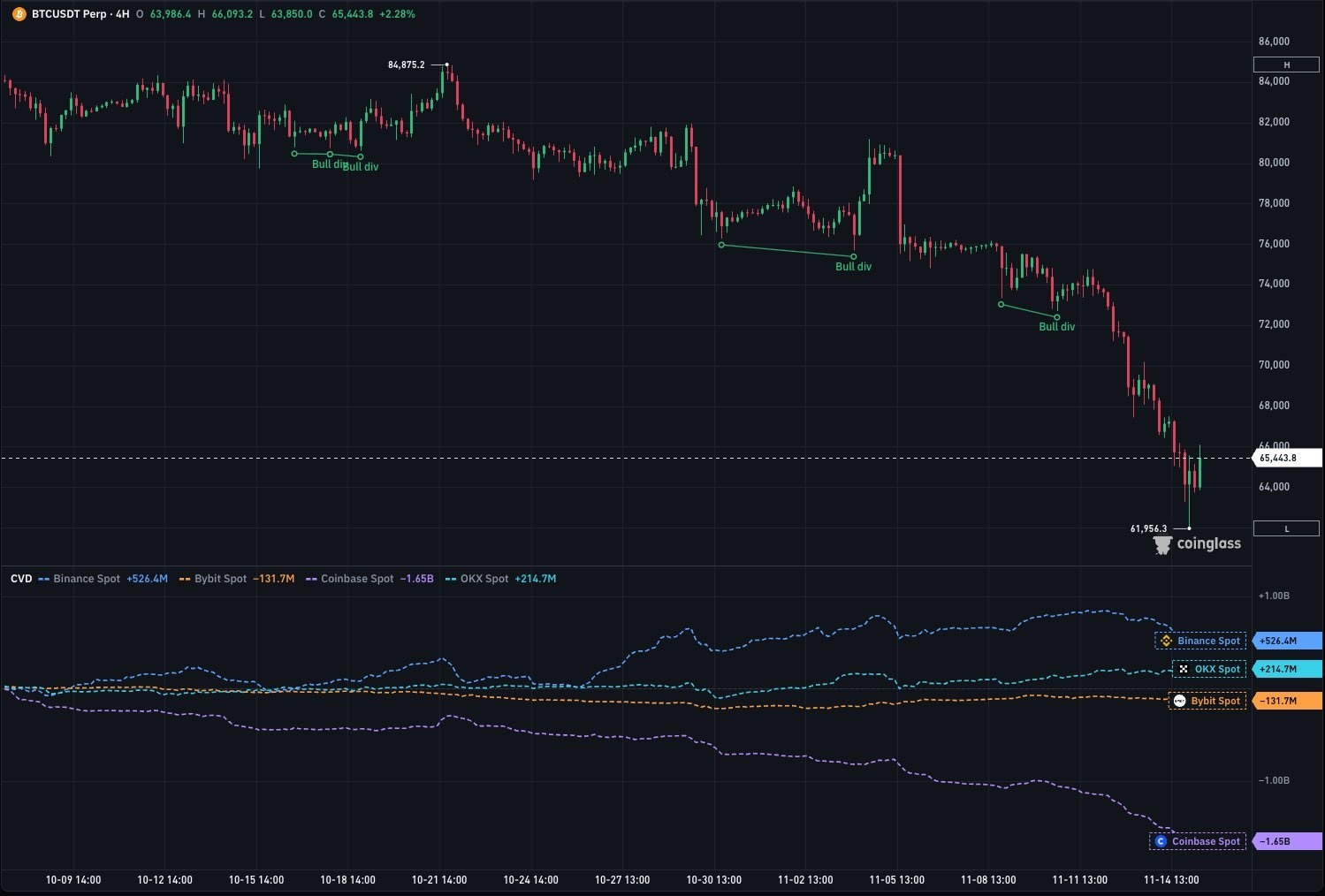
Over the past 24 hours, Binance has faced a massive wave of FUD, with accusations of sell-offs sending BTC down to around $62K.
CZ has spoken out directly:
“No, Binance isn’t selling crypto. I’ve been buying crypto over the past few days because I recently received some stablecoins. (Maybe that’s the real reason 🤣).”
But instead of arguing, let’s look at the actual data:
1️⃣ Selling pressure in the US market was 2.75 times greater than on Binance
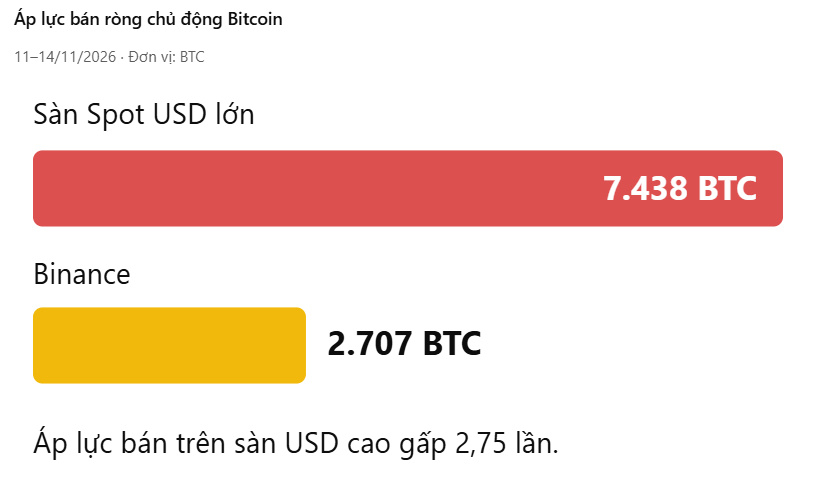
According to Binance Research, from 11/11 to 14/11:
🔸 A major spot exchange that uses USD: Net aggressive selling of 7,438 BTC.
🔸 Binance: Net aggressive selling of 2,707 BTC.
The difference was as high as 4,731 BTC, even though Binance typically has higher trading volumes.
And that’s not all: the Coinbase Premium Index had been negative for 51 consecutive days since 23/09—more than a month before Binance was hacked.
This shows that weakening buying demand in the US market had been evident for a long time.
So why is all the selling pressure being blamed on Binance?
2️⃣ Coinbase itself also pointed to macroeconomic factors
In its 13/11 report, Coinbase Institutional said last week’s sell-off was more closely tied to the Fed than to the Binance hack.
Some notable data:
🔸 Stablecoin supply fell by $11.5 billion in 30 days, a record decline according to Coinbase data.
🔸 Markets priced in a total of 64 basis points in Fed rate hikes over the next 12 months, up from 37 basis points at the beginning of the month.
🔸 Bitcoin Spot ETF investors are facing estimated unrealized losses of $12.7 billion.
🔸 About 8.44 million BTC are being held at a loss, up 2.61 million BTC in just 30 days.
Liquidity is falling, rate-hike expectations are rising, and investor sentiment is worsening—all at the same time.
This data comes from Coinbase, not Binance!
3️⃣ Billions of dollars are flowing out of ETFs
🔸 Bitcoin Spot ETFs: Net outflows of $1.91 billion over seven consecutive sessions through 13/11.
🔸 Ethereum Spot ETFs: Net outflows of $398.9 million last week, marking the seventh consecutive week of withdrawals.
🔸 BlackRock IBIT recorded nine consecutive sessions of outflows through 11/11.
Meanwhile, the market is also facing liquidity pressure from Anthropic’s massive IPO, weakness in tech stocks, and concerns about the AI investment cycle.
All these factors should be considered before concluding that Binance is to blame.
4️⃣ More than $2 billion in positions liquidated in just 24 hours
According to CoinGlass:
🔸 Total liquidations: $2.02 billion.
🔸 Long positions: $1.68 billion.
🔸 Short positions: $342.4 million.
More than 83% of the liquidation value came from long positions.
When the market falls sharply, leveraged positions are liquidated one after another, adding further selling pressure in the derivatives market.
That’s how Futures work—not evidence that Binance is selling its own Bitcoin.
5️⃣ What are Binance’s reserve figures really telling us?
According to the Proof of Reserves snapshot dated 12/11, compared with 04/11:
🔸 Users’ BTC balances increased by 2,388 BTC to 687,912 BTC.
🔸 ETH balances increased by 35,911 ETH to 3.48 million ETH.
🔸 BNB balances increased by 1.03% to 42.95 million BNB.
🔸 USDT balances fell by 928.2 million USDT, but USDT reserves were still about $1.06 billion higher than users’ balances.
Binance’s reported asset reserve ratios:
• BTC: 100.05%.
• ETH: 100.02%.
• USDT: 104.34%.
• BNB: 100.39%.
• SOL: 105.86%.
These figures don’t prove everything about Binance’s operations, but they also don’t support the claim that the exchange was seriously short of user assets at the time of the snapshot.
6️⃣ What did Binance do about the $6.34 billion in losses?
According to the official report dated 03/11:
🔸 Total assets affected: $6.34 billion.
🔸 About $2.85 billion in assets were frozen or blocked.
🔸 Binance used resources from SAFU, its Futures insurance fund, and corporate treasury to cover the losses.
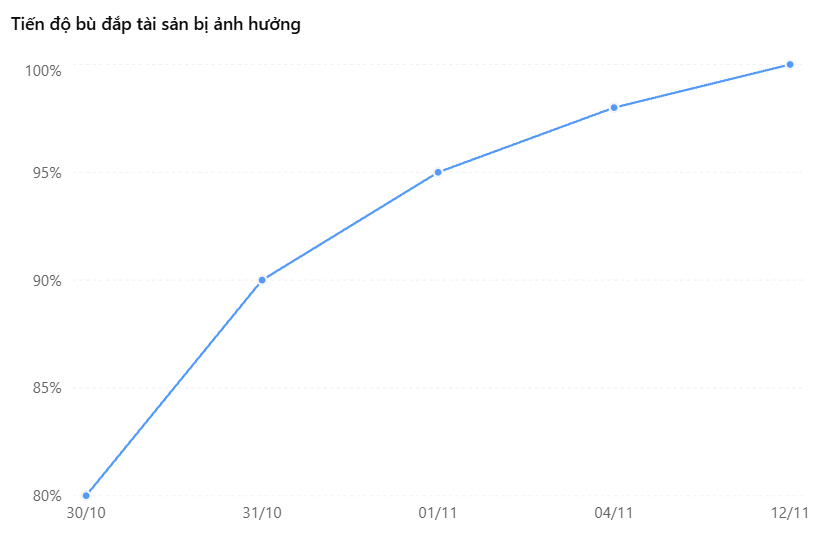
Reported recovery progress:
• 30/10: 80%.
• 31/10: 90%.
• 01/11: 95%.
• 04/11: 98%.
• 12/11: 100%.
The scope of Proof of Reserves was also expanded from 10 to 44 and eventually to 198 tokens.
More importantly, Binance said it had BOUGHT BACK the stolen tokens through the market and OTC channels to restore its reserve assets.
7️⃣ What about the claim that Binance dumped $1.77 billion worth of Bitcoin in 24 hours?
So far, I haven’t seen sufficiently convincing evidence to confirm that this was a sale of Bitcoin owned by Binance.
Let’s be clear:
🔸 Bitcoin leaving a Binance wallet ≠ Binance selling Bitcoin.
Users selling Bitcoin on Binance ≠ Binance selling Bitcoin.
🔸 Reserves declining ≠ the exchange becoming insolvent.
🔸 Futures liquidations ≠ Binance manipulating prices.
Even CryptoQuant, in its post-hack analysis, clearly distinguished outflows from Binance from capital leaving Bitcoin.
If you want to prove Binance dumped its holdings, provide the wallet addresses, proof of asset ownership, transaction history, and evidence that those Bitcoin were actually sold.
Don’t just screenshot an outflow chart and make up a story to go with it.
Binance can be criticized for its own mistakes, but it shouldn’t become the scapegoat for every market crash.
When billions of dollars are flowing out of ETFs, stablecoin supply is seeing record declines, selling pressure in the US market is rising, and billions of dollars’ worth of long positions are being liquidated...
Ignoring all that data and blaming Binance isn’t market analysis.
If there’s real evidence that Binance sold off assets, show the data instead of drawing conclusions from a chart.
And as for spreading Binance FUD based on speculation?
Sorry, not buying it. 😁