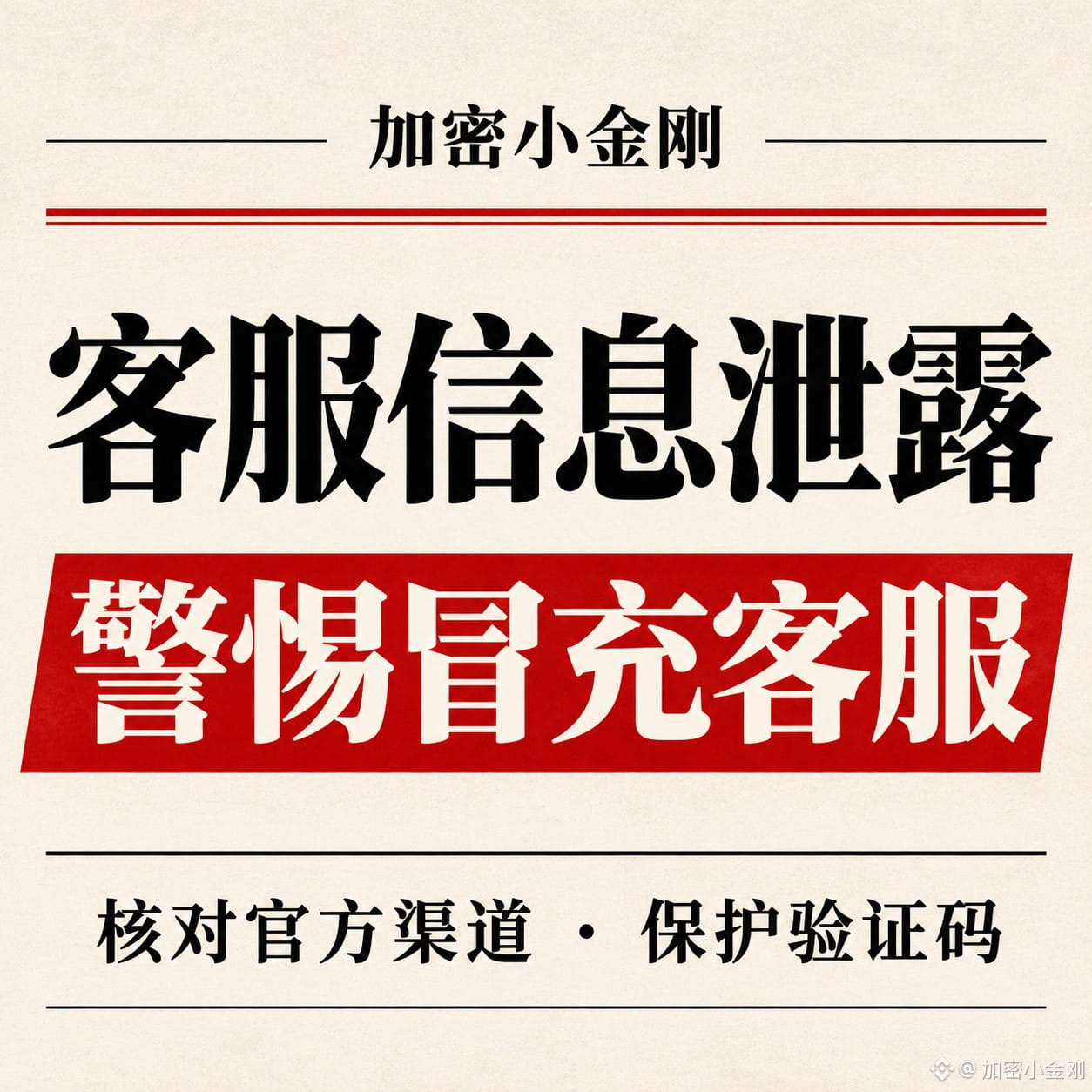
Does a customer service agent knowing your name and transaction history mean they’re definitely official?
On November 15, South Korean crypto exchange Coinone disclosed that the server of its outsourced customer service provider had been compromised, potentially exposing some information customers shared during support inquiries. The information involved varied by person and may have included contact details, account information, wallet addresses, and transaction IDs.
Coinone said that, as of the announcement, it had found no signs that its account, trading, or wallet systems had been directly compromised. A customer service data leak and the theft of wallet assets are two different things; however, the former could allow impersonators to use real information to gain people’s trust.
If you’ve shared information with the relevant customer service team, take these three steps:
① Open the official app yourself or enter a verified URL to check for notifications. Don’t follow links in texts or direct messages from unknown senders.
② If you shared your password during a support inquiry, change it as soon as possible, as Coinone recommends. If you reused the same password for other accounts, change it on each of them too.
③ If someone claims to be customer service and uses your name, wallet address, or transaction ID, stay cautious. Never share verification codes, private keys, or recovery phrases.
Coinone said users who have not contacted its customer service center are not within the scope of this support inquiry data leak. Check the official notice for details about the specific information affected.
For informational purposes only; this is not investment advice. #WalletSecurity #InformationSecurity
On November 15, South Korean crypto exchange Coinone disclosed that the server of its outsourced customer service provider had been compromised, potentially exposing some information customers shared during support inquiries. The information involved varied by person and may have included contact details, account information, wallet addresses, and transaction IDs.
Coinone said that, as of the announcement, it had found no signs that its account, trading, or wallet systems had been directly compromised. A customer service data leak and the theft of wallet assets are two different things; however, the former could allow impersonators to use real information to gain people’s trust.
If you’ve shared information with the relevant customer service team, take these three steps:
① Open the official app yourself or enter a verified URL to check for notifications. Don’t follow links in texts or direct messages from unknown senders.
② If you shared your password during a support inquiry, change it as soon as possible, as Coinone recommends. If you reused the same password for other accounts, change it on each of them too.
③ If someone claims to be customer service and uses your name, wallet address, or transaction ID, stay cautious. Never share verification codes, private keys, or recovery phrases.
Coinone said users who have not contacted its customer service center are not within the scope of this support inquiry data leak. Check the official notice for details about the specific information affected.
For informational purposes only; this is not investment advice. #WalletSecurity #InformationSecurity