

**Hashrate Is Going Up—Why Is That Good News?**
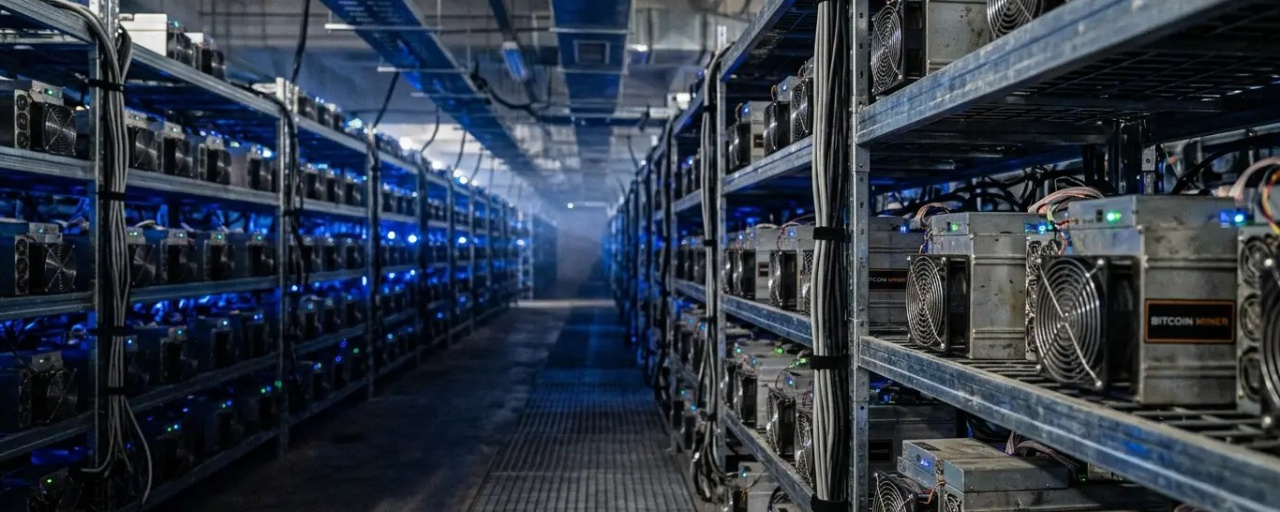
Hashrate is simply the total computing power working around the world to protect the Bitcoin network. Each computer is taking part in a race to solve a mathematical puzzle, and the winner gets to add a new block of transactions to the shared ledger.
Imagine a village guarded by ten security guards versus ten thousand security guards. Clearly, the second would be much harder for bad guys to break into. That’s roughly how to understand hashrate: the higher the number, the more guards there are.
**How to Read Hashrate for Beginners**
First, understand what it measures. Hashrate isn’t the price or the number of users. It measures how much computing power miners are currently using to secure the network.
Second, a rising hashrate means the network is becoming more expensive to attack. To tamper with Bitcoin transaction records, an attacker would have to overpower the majority of the network’s computing power. When the hashrate is enormous, the cost of even trying is enormous too. That’s where the sense of security comes from.
Third, a rising hashrate is also a sign that miners are confident. Miners invest a lot of money in equipment and electricity. They wouldn’t add more equipment if they weren’t confident that the network was still worth securing and would continue to be used for a long time. So, a rising hashrate is often seen as a sign of long-term health.
Fourth, don’t panic and read the opposite into it. An occasional drop in hashrate is normal—for example, if miners in one region lose power or are moving their equipment. What matters is the long-term trend, not daily movements that go up and down like the price.
Fifth, remember that hashrate doesn’t promise a certain price. A secure network is the foundation, but prices are still driven by buying and selling in the market. So don’t buy just because the hashrate is rising, and don’t panic-sell just because it dips a little.
Here’s an analogy to help it stick: attacking the Bitcoin network is like trying to change the results of an entire country’s election all by yourself. It’s not just difficult—the cost makes no sense compared with what you’d gain. A high hashrate makes that calculation even more unreasonable every year. That’s why people trust Bitcoin: not because there’s a headquarters protecting it, but because the math does—and hashrate measures how strong that protection is. This figure also makes the story that “Bitcoin is easy to hack” harder and harder to sell. To break in, you’d need more computing power than all the guardians around the world combined.
That’s why a rising hashrate is good news: it means more computing power is helping secure the network, making it harder for anyone to attack or tamper with its records. You don’t need to check the figure every day, but now you know why people are happy when it goes up.
What other crypto terms do you hear often but still don’t really understand? Just write them down, and we’ll break them down together.
This content is for educational purposes only, not investment advice. Always DYOR before making any decisions.
#Bitcoin #Hashrate #LearnCrypto