

**What Does a Funding Rate That Stays Positive Mean? The Market Is Crowded on One Side**
If you often keep an eye on the futures market, you've probably seen a small figure called the funding rate, which is sometimes green and positive, sometimes red and negative. Small as it is, this number is actually whispering something important: the market is leaning to one side, and the crowded side is paying dearly for its position.
Funding rate is a periodic payment exchanged between long and short position traders in perpetual futures contracts. This mechanism exists so that the futures contract price stays close to the spot price. If the funding rate is positive, the long side pays the short side. If it is negative, the opposite happens: the short side pays the long side.
**How to Read Funding Rates Without the Headache**
First, a positive funding rate means long positions are dominant in both volume and enthusiasm. Lots of people are betting that prices will rise, and there are so many of them that they’re willing to pay a periodic fee to the other side just to keep those positions open.
Second, a negative funding rate means short positions are piling up. Lots of people are betting that prices will fall, and they’re the ones paying for that bet.
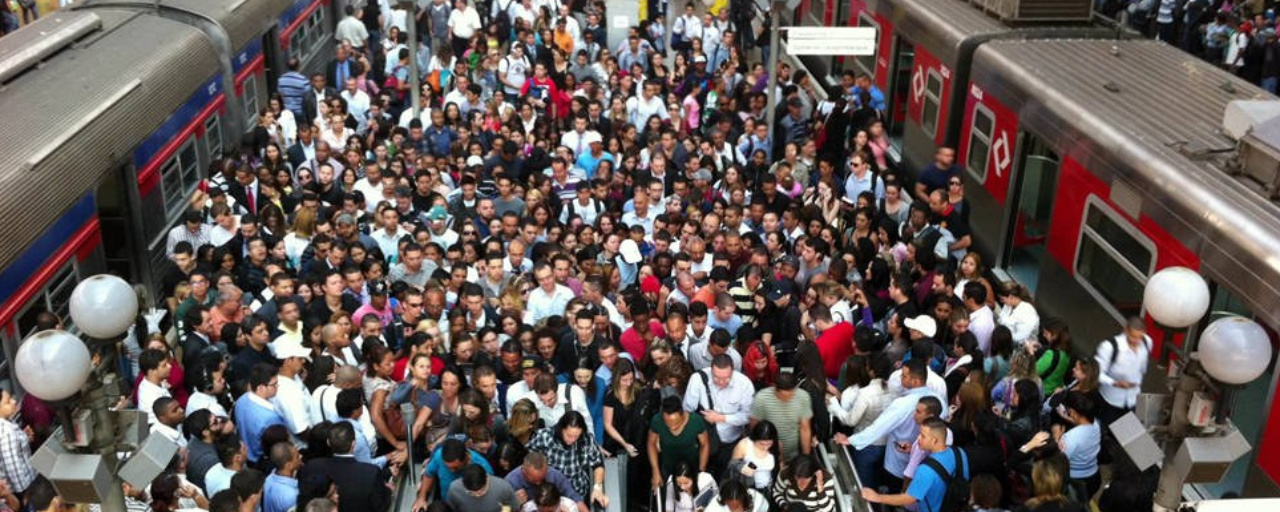
Third, what matters isn’t just whether the rate is positive or negative, but how extreme it is and how long it stays that way. A small positive funding rate is normal in a healthy market. A large positive rate that sticks around for days? That’s a sign the crowd is packed tight at the same door.
Fourth, the funding rate is a real cost. Holding a position for a long time while funding is extreme means these payments will slowly eat into your balance, even if the price doesn’t move at all. It’s like parking at the mall on a weekend—you’re not going anywhere, but the meter keeps running.
A simple example: say the funding rate is recorded at 0.1 percent per payment period. For a position worth Rp10 million, that’s a fee of Rp10,000 per period—it sounds like pocket change. But if payments happen three times a day and you hold that position for weeks while funding is sky-high, the total can exceed the trading fees you usually pay attention to. Many beginners are shocked when they realize their balance is shrinking even though the price “isn’t doing anything.”
**Why Is the Crowded Side Dangerous?**
Here’s the part that often catches people out. A market that’s extremely tilted to one side is fragile. If everyone is long and the price suddenly turns down even a little, leveraged traders can get margin-called and liquidated one after another. Liquidation forces positions to close, which pushes the price down further and triggers the next round of liquidations. A domino effect.
The reverse is true too: an overly crowded short trade can get squeezed when the price rises a little. Everyone rushes to close their positions by buying back, and the price shoots upward. So an extreme funding rate isn’t a signal to “follow the crowd”—it’s more like a warning light saying, “This crowd could panic easily.”
The most common beginner mistake: treating a high positive funding rate as proof that the price will keep rising, then jumping into a long position when the trade is at its most crowded. But that’s exactly when the risk of a sharp correction is highest, and you’re paying the most to sit in that seat.
The bottom line: the funding rate is a thermometer for the crowd in the futures market. You don’t read it to magically predict prices, but to figure out whether you’re standing in an empty room or in a room where everyone’s crammed together at one door.
Have you ever paid funding fees without realizing it? Or did you just find out that futures positions come with “rent”?
This content is for educational purposes only, not investment advice. Always DYOR and understand the costs and risks of leverage before opening a futures position.
#Futures #FundingRate #LearnCrypto