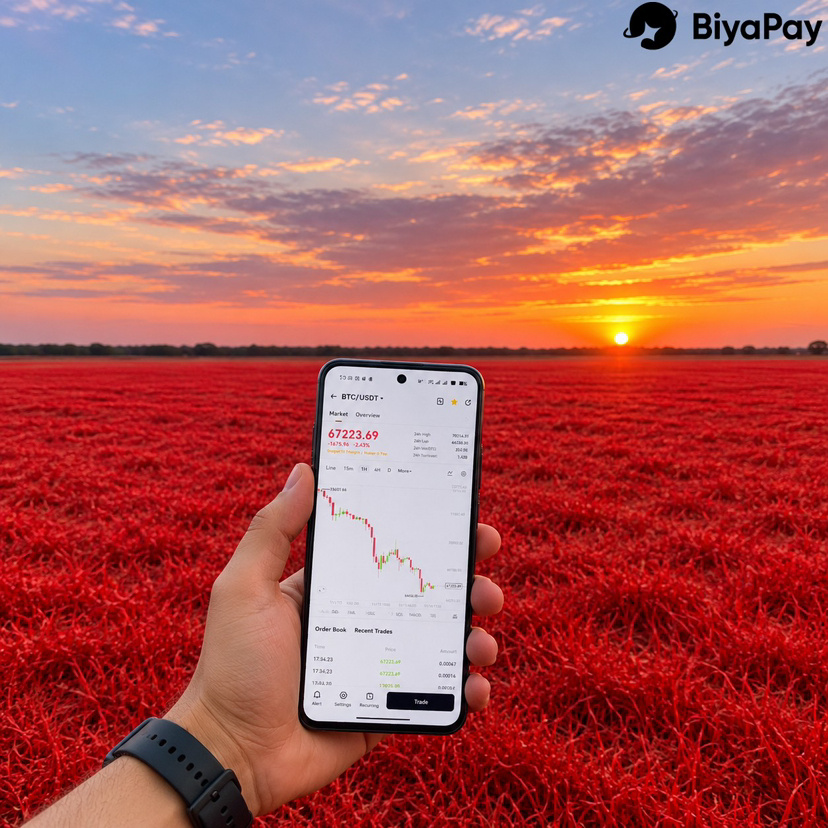

The crypto market taught investors another lesson over the weekend. Bitcoin briefly fell to around $61,900–$62,100, its lowest level since mid-July, but then quickly surged back into the $64,300–$65,800 range, rebounding about 4% to 5% from its low. Ethereum followed a similar pattern, touching a low of around $1,710 before recovering to around $1,710–$1,830. The total crypto market capitalization, meanwhile, fell back to around $2.20–$2.21 trillion.
This pattern of a sharp drop followed by a rapid recovery may look like a sudden surge in buying pressure. But I think a more important question is: Why do so many investors wait for lower prices, yet hesitate to buy when a major pullback actually happens, only to start worrying about missing out after prices rebound?
I. V-shaped rebounds are most likely to lead investors into two mistakes
The first mistake is continually waiting for a lower price during a downturn. As BTC fell from around $70,000, many people may have thought that $60,000 would be a better entry point. But when the price actually approached $62,000, market panic could make them worry that it would keep falling to $58,000 or even lower. A buying strategy they had originally planned can easily be abandoned as their emotions change.
The second mistake is rushing to chase prices as soon as a rebound begins. When BTC quickly climbed back from $62,000 to around $65,000, some investors began to worry that the rally had already taken off and hurried to buy. They may end up buying right at the short-term rebound high. One point needs to be clear: a V-shaped move describes the price path; it does not mean the market has completed a trend reversal. A rapid rise may result from short-term buying to cover positions, or from the market repricing after an extreme move. Whether sustained spot demand is present still needs to be assessed.
II. More important than guessing the bottom is having your own trading plan
In my view, in a highly volatile market like this, it may help to divide your trading plan into three parts. First, set price ranges to watch in advance instead of making buy or sell decisions on the fly during sharp market swings. Second, allocate funds in stages rather than committing your entire budget to a single purchase, so that one mistaken judgment does not affect your overall position. Third, decide in advance on the maximum loss you can tolerate. This is especially important when trading derivatives: you should not keep increasing leverage just because spot prices are falling, in the hope that one rebound will quickly make up for your losses.
Next, there are three signals to watch: whether BTC can remain relatively stable around $62,000; whether spot trading activity continues to improve during the rebound, rather than prices merely rising briefly; and whether ETH and other major assets can gradually catch up, instead of BTC being the only asset to show a short-lived recovery. If these conditions are not confirmed, it would be unwise to conclude that the market has reversed based on a single large bullish candle.
III. Fund allocation should also vary depending on market conditions
For those who participate in both digital asset and traditional financial markets, managing funds is more important than trading frequently during periods of sharp volatility. BiyaPay supports spot and derivatives trading in digital assets, as well as trading in actual U.S. and Hong Kong stocks and commodity futures, catering to the needs of participants in different markets. If you hold U and need to use U.S. dollars, you can check real-time exchange rates using the platform’s instant conversion feature and convert assets according to your actual funding needs. In addition, BiyaPay offers flexible savings services. You can explore idle-asset management products that suit your needs, but before participating, make sure you understand the yield rules, redemption terms, and associated risks. These products should not be treated as principal-protected deposits.
In my view, the most important thing for investors to remember about BTC’s rapid rebound from around $62,000 is not how much it has recovered, but that the market has once again shown just how difficult short-term price movements are to predict. Truly mature traders should neither become completely unable to act during a downturn nor let their emotions drive them to chase prices during a rebound. Planning fund allocation in advance, managing position sizes, and distinguishing between investing and trading are more practical than trying to guess the daily lows and highs.
Next, I’ll be watching closely to see whether BTC can hold on to the gains from this rebound and whether ETH can regain stronger price momentum. The market is never short of opportunities, but only those who can stay in it for the long term will have the chance to wait for the next move that is truly right for them.
This article is for market observation and sharing information about product features only; it does not constitute investment advice. Digital asset and derivatives trading involve significant risks. Please allocate your funds prudently based on your own risk tolerance.