
Many retail traders trade futures contracts. The most dangerous time isn't when the market is surging or crashing—it's when your life is already a mess and you still hope one trade will solve all your problems. Put simply, when you're desperate to make money, the market is often most likely to take you for a ride. The story of one follower today really gives you pause for thought.
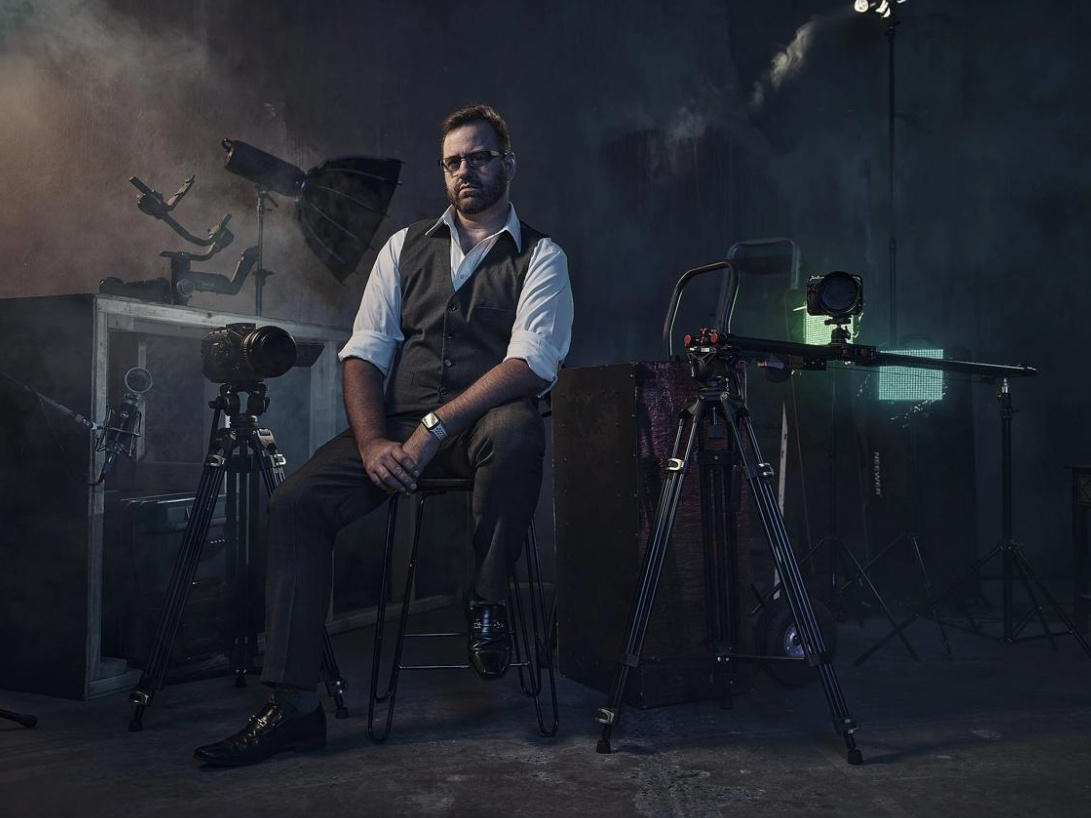
He's 34 this year. He used to be a wedding photographer and ran a small photography studio of his own. When he was young, he carried his camera everywhere, shooting weddings from morning till night. During peak season, he could book more than a dozen weddings a month, and the income was pretty good. After getting married, he bought a car and rented a studio. Back then, he thought that as long as he kept working hard, life would just keep getting better.
In 2021, a fellow photographer often talked to him about Bitcoin. At first, he thought it had nothing to do with him. After all, he spent every day studying light, composition, and lenses—what did he know about candlesticks? Later, when the studio hit its slow season and bookings dropped noticeably, he began to take a serious interest in crypto. At first, he invested a few tens of thousands of yuan of spare money in BTC and ETH, without expecting to get rich overnight. As it happened, the market took off, and at one point his account was up by more than 100,000 yuan. It was the first time he’d realized that there might be another way to make money besides relying on his physical effort and time.
But sometimes life is just like that: just when you start to feel hopeful about the future, one problem after another comes along. Financial pressures and everyday hassles in the marriage kept piling up. The two of them often argued about money, and in the end, they got divorced. After the divorce, the studio rent, equipment expenses, and daily living costs were still there, and he also had to deal with debts he’d accumulated before. All told, he was burdened with around 200,000 yuan in debt. Before, after shooting a wedding, he’d come home to someone waiting with dinner. Later, after a busy day, he’d return to a home where only he and the silence remained.
During the hardest period, he began pinning his hopes on futures trading. He spent his days shooting and his nights watching the charts, thinking only about how to pay off his debts as quickly as possible. When he saw BTC suddenly surge, he’d chase the move and go long; if it pulled back even a little, he’d panic and close his position. Just after he stopped out, the market would move in its original direction again, leaving him more and more frustrated. After several consecutive losses, he even thought about increasing his leverage to win back all the money he’d lost in one go.
What truly made him look back in fear was a late-night trade.
That day, BTC was falling fast. He figured it would keep dropping, so he opened a short position. At first, he was in profit, but he didn’t take profit in time. Instead, he thought he could make a little more. Then, without warning, the market bounced sharply. A few candles surged in a row, and his floating profit quickly turned into a loss. He stared at the screen, his hand hovering over the close-position button, but he just couldn’t bring himself to press it. He kept thinking: If only it would drop a little more. Only when the price approached the limit of what he could tolerate did he finally close the position. That trade didn’t wipe out his account, but it brought him to his senses: he wasn’t trading based on skill—he was letting the market punish him for his emotions.
Later, he started to change. During the day, he focused on photography jobs instead of panicking during the slow season and looking for shortcuts. At night, he stopped watching the charts around the clock. Before every trade, he wrote out a plan: where to enter, what would show that his judgment was wrong, where to place his stop-loss, and where to take profits in stages. He risked only a small portion of his account on each trade. He stopped going all-in and never used money meant for debt payments or living expenses to trade futures. After two or three consecutive losses, he’d stop and review his trades instead of rushing to find the next one.
He gradually came to understand that you don’t have to open a position every day. If the market hasn’t established a clear direction, wait patiently. When the price reaches a predetermined zone, watch to see whether volume and price action confirm the move. A stop-loss isn’t something to be ashamed of; it preserves your capital for the next opportunity. A truly mature trader isn’t right about the direction every time, but can control losses when he’s wrong.
His photography studio is now back up and running, and he’s begun shifting the business toward building a personal brand. His debt is gradually shrinking, and he’s rebuilding his trading account with small positions. He’s not wealthy by any means, but at least he no longer wakes up every day thinking about how to turn his life around with a single trade. He plans to keep growing his photography business, save money little by little, and hopefully buy a small home of his own one day.
He said something simple and honest: “I used to think that a failed marriage and losing money meant I’d failed at life. Now I realize that true failure is refusing to get back on your feet.”
I’ve always believed that the biggest mistake in crypto trading is letting your emotions about life affect your account. Trouble in your relationship doesn’t mean you should go all-in on your next trade; being weighed down by debt doesn’t mean the market has to move the way you want it to. The market won’t give you a bullish candle just because life has been hard. Get your life stable before you think about trading; protect your capital before you think about profits.
He now also chats about the market and shares trade reviews with friends in our trading group. Joining a community isn’t about finding someone to press the buy and sell buttons for you. It’s about hearing different perspectives and making fewer emotional trades. If you’re trading futures too and want to gradually build your skills in technical analysis, position sizing, and trading discipline, come join the conversation. We don’t promise overnight riches or guarantee that every trade will be profitable. We just hope everyone can pay a little less in tuition to the market and move forward more steadily.$KAVA $UAI $SHELL