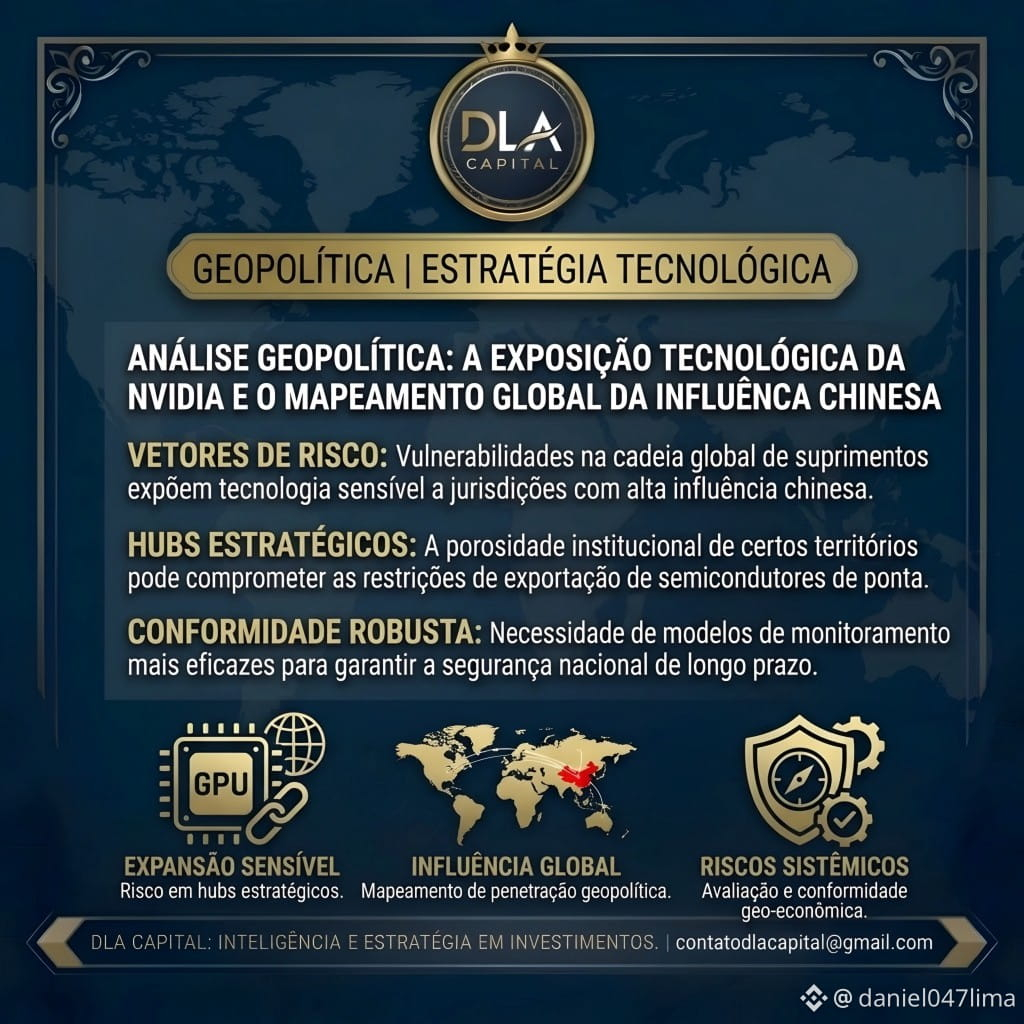
The discussion about commercial expansion and the distribution of high-performance chips (such as Nvidia GPUs) through intermediary hubs like Singapore raises a critical debate about geo-economics and technological sovereignty. Beijing acts as a sensitive vector in the global artificial intelligence supply chain.
Overview of Technological Influence and Exposure
1. High Intensity of Alignment and Exposure (Critical Level)
• Singapore and Southeast Asian Countries (e.g., Cambodia, Pakistan):
Context: They rank prominently in the China Index’s global scores, with a strong concentration in the Technology, Economy, and Foreign Policy domains.
Implications: The density of trade flows and the permeability of logistics hubs create complex channels where unilateral hardware restrictions face severe enforcement and rerouting challenges involving re-exports.
2. Moderate Exposure in Emerging Markets (Latin America and Africa)
• Emerging Countries (e.g., Brazil, Argentina, Nigeria):
Context: They register intermediate to high scores, driven primarily by foreign direct investment (FDI), digital infrastructure, and bilateral trade partnerships.
Implications: Although advanced silicon is not the initial focus, growing dependence on telecommunications infrastructure and digital ecosystems linked to Asian suppliers increases vulnerability to indirect systemic pressures.
3. Developed Economies Under Security Monitoring (U.S. and Europe)
• North America and Western Europe:
Context: Although they maintain strict regulatory barriers on cutting-edge semiconductors, they score highly in the domains of Academia, Society, and Media Influence.
Implications: In these economies, the risk shifts from direct physical supply to information influence operations, cross-border intellectual property, and R&D networks.
.
.
#TechnologicalGeopolitics #ChineseInfluence #SupplyChain #MercadoGlobal