
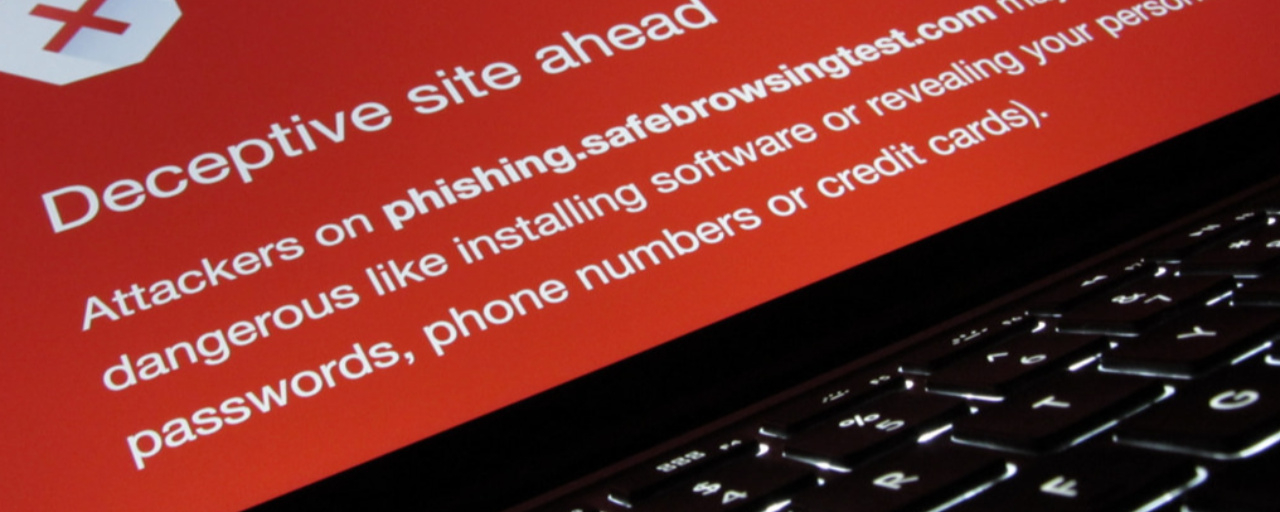

Isn’t it scary that some sites look almost exactly like the real thing, from the logo and colors to the login page, but are actually fake and just waiting for you to enter your details? The moment you log in, your account could be taken over. Luckily, fake sites almost always leave clues if you look closely.
**How to Spot a Fake Website: Checklist**
First, check the domain’s spelling letter by letter. Scammers like to create similar-looking domains—for example, by swapping letters, adding one letter, or using a different ending. Don’t just glance at the name; read it slowly, like you’re spelling out your ex’s name—uh, I mean, an important name.
Second, be suspicious of the source of the link. Links from random messages, comments, suspicious ads, or strangers should always be verified first. It’s safer to type the official address yourself or open it from a bookmark you saved.
Third, pay attention to the login page. Fake sites often ask for unusual information, such as your seed phrase, email password, or 2FA code repeatedly. Official representatives will never ask for your seed phrase on any page.
Fourth, be wary of promises of rewards that seem too good to be true. A classic example: send this amount and get double back, or get a huge reward just for logging in today. If it sounds too good to be true, it usually is.
Fifth, stop and cross-check with official channels before proceeding. Compare the announcement on that site with announcements on official channels you trust. If they differ, follow the official one.
One careful minute could save your entire balance. Have you ever come across a suspicious site or link like this?
This content is for educational purposes only, not investment advice. Always DYOR and never log in through random links.
#AntiPhishing #CryptoSecurity #LearnCrypto