
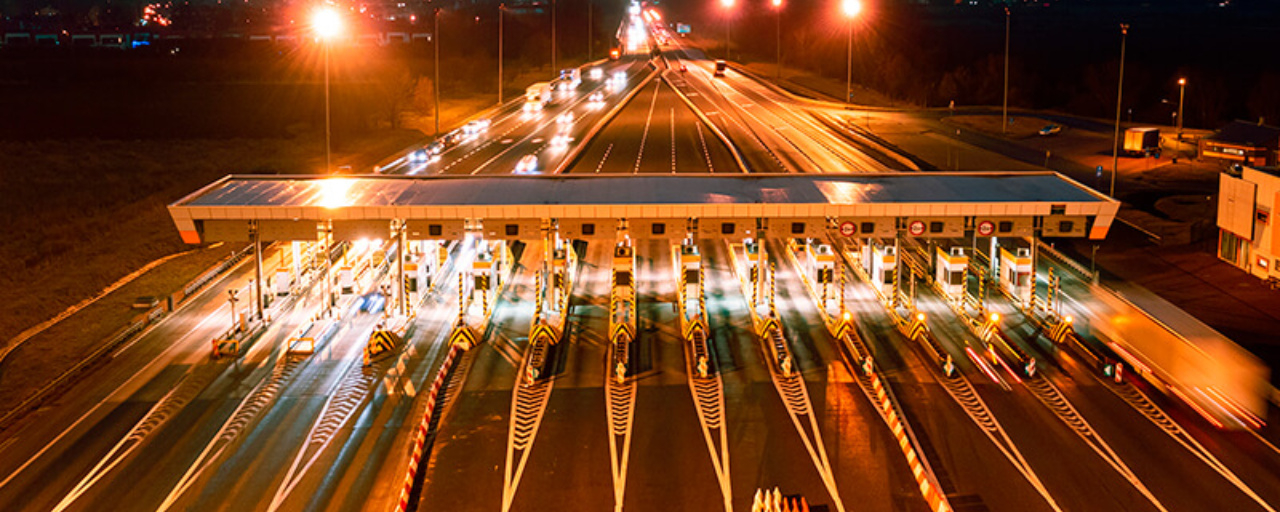

Have you ever tried to send coins worth, say, just Rp50,000, only to find that the transfer fee could buy you two cups of coffee? You immediately wonder, “Is this exchange being stingy, or am I just unlucky?” It feels like you’re taking the road near your house and suddenly being charged a ridiculously expensive toll.
That fee is called a gas fee. Simply put, it’s what you pay the blockchain network to process and record your transaction. You’re not just paying the exchange—this goes straight to the “road” itself, to the validators or miners who keep the network running.
**Why Do Gas Fees Go Up and Down?**
Think of a blockchain as a toll road:
- When the road is quiet, traffic flows smoothly and fees stay pretty normal
- During rush hour, everyone wants to get through at once, so the line gets long
- People who want to go first are willing to pay more to get priority
It works the same way on a blockchain. The busier the network gets, the higher the gas fees. And the more complex your transaction is—like a swap or interacting with a smart contract instead of making a simple transfer—the more “fuel” it requires.
For example, a simple coin transfer might require a small amount of gas, while a swap on a DEX might need several times more because the process is more complicated. That’s why sometimes you’re surprised that transaction A is cheap and transaction B is expensive, even though the amounts are the same.
Here’s a little tip that’s saved many beginners: gas fees are paid with the network’s native coin. On the Ethereum network, you pay with ETH; on BNB Chain, you pay with BNB, and so on. So if your wallet is out of that network’s coin, your transaction could fail completely—even if you have plenty of other coins. It’s like having money in an e-wallet when the toll gate only accepts a specific card: you still can’t get through.
A simple tip: check the estimated gas fee before you hit confirm, and don’t rush to transact when the network is at its busiest if it’s not urgent.
The bottom line: gas fees aren’t a rip-off; they’re the cost of getting your transaction to its destination safely and recording it permanently.
Have you ever had a transaction fail because you forgot to set aside coins for gas? Go on, admit it—almost everyone has.
This content is for educational purposes, not investment advice. Always do your own research (DYOR).
#GasFee #Ethereum #LearnCrypto #Blockchain #CryptoBeginners
$ETH$BNB$SOL