

Have you ever forgotten a password, then just clicked “forgot password” and solved the problem? In the world of self-custody crypto wallets, that habit can land you in serious trouble. There’s one code that, if lost or leaked, has no magic button to save you.
**A Private Key Is the Real Key, Not Just a Password**
A private key is a secret code that proves the assets in a wallet really belong to you. Anyone who has this code can access and move the assets inside. Anyone. No ID check required.
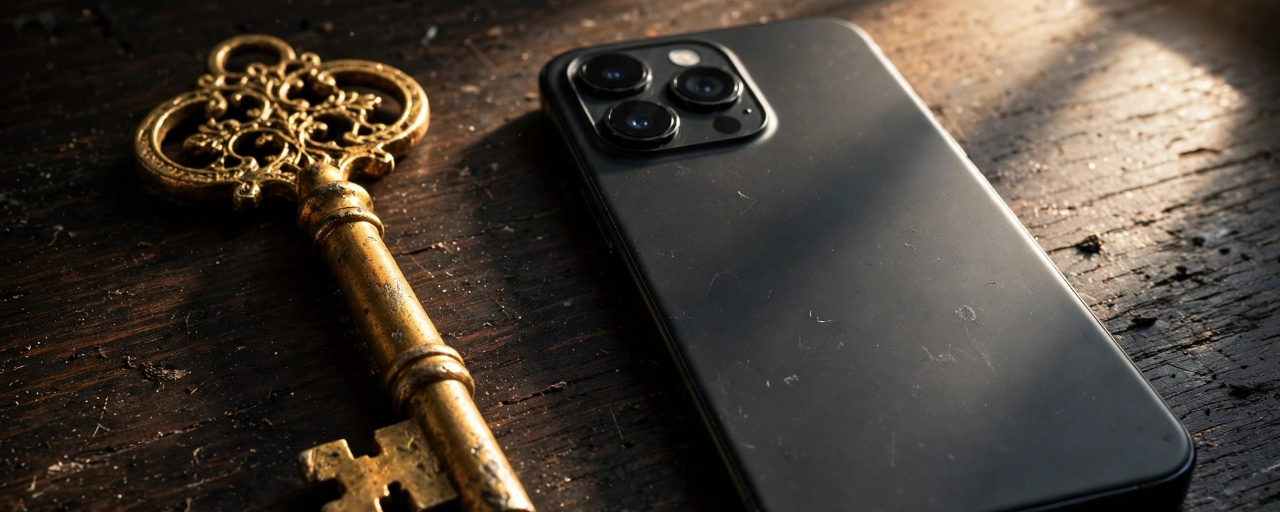
To make it simple, imagine a safe. A wallet address is like your home address—it’s okay for other people to know it so they can send you packages. The private key is the key to the safe. You can share the address, but never the key.
Unlike a regular password, an account password is usually stored by the service provider and can be reset. With a self-custody wallet, the private key isn’t stored anywhere but with you. Lose the key and the safe is locked forever—you can only look at what’s inside from the outside. That’s the painful part.
**Non-Negotiable Rules**
- Never share your private key with anyone, including anyone claiming to be an admin or support staff
- Don’t save it as a photo or screenshot that could easily be shared
- Don’t enter it on websites or apps with unclear origins
- Remember, legitimate organizations will never ask you for this code
But wait—there’s a common trap. Scammers create convincing-looking fake pages and ask you to enter your private key for “verification” or to claim a prize. It sounds official, but it’s basically like handing over the key to your safe with a smile.
In crypto, ownership isn’t about the name on the account—it’s about who holds the keys. Not your keys, not your coins. It sounds harsh, but that’s how the system works.
The bottom line: protect your private key like it’s both your house key and your safe key. It’s dangerous if someone else gets it, and it’s dangerous if you lose it yourself.
Have you ever almost entered sensitive information on a page that turned out to be suspicious?
This content is for educational purposes, not investment advice. Always do your own research (DYOR).
#PrivateKey #CryptoSecurity #Wallet #CryptoBeginners
$BTC$ETH$BNB