When you first get into crypto, who hasn’t thought this way? If your starting capital is small, you have to go all in.
What’s the point of slowly building up with a few thousand or tens of thousands of USDT? Doubling in three days, going tenfold in a month—that’s what trading is all about.
But after watching the market for years, I’ve found that the people who actually make it are the ones who aren’t in a rush.
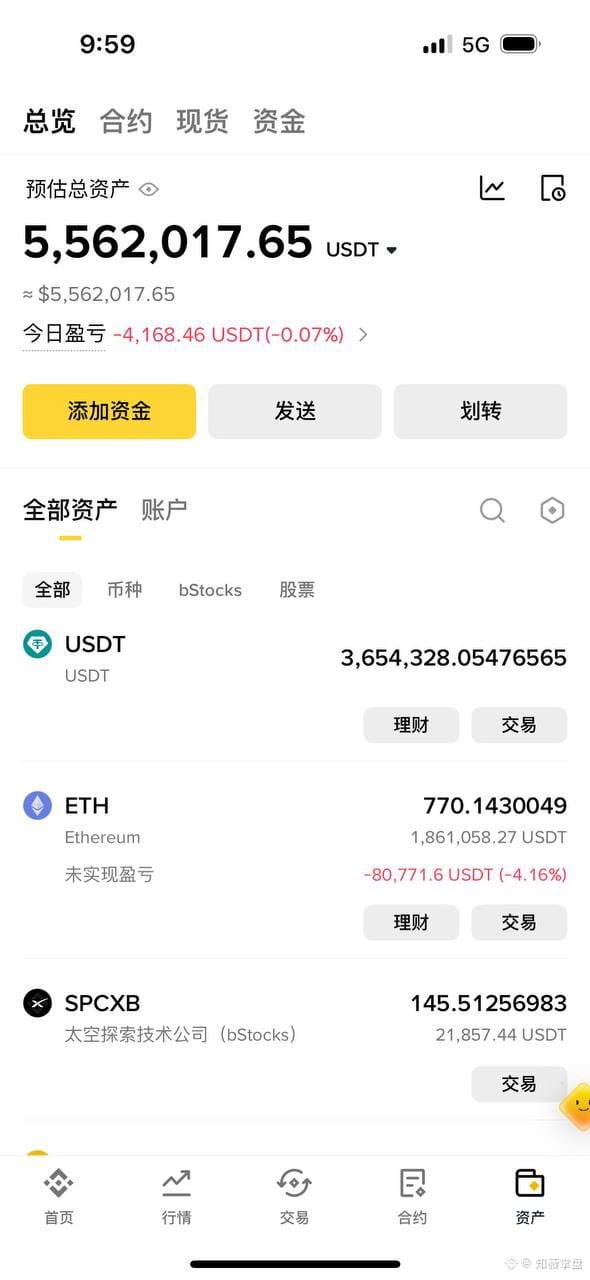
A while ago, a follower showed me his account. He started with just 7,000 USDT. Most people would’ve already leveraged up, chased hot trends, and gambled on shitcoins. He didn’t.
When the market was good, he rode the trend and took his share. When it was bad, he locked his account and sat tight. He always kept his position size in check, locked in profits when he was up, and accepted his losses when he was down. Honestly, his trading was mind-numbingly boring. No rags-to-riches legend, no magic indicators.
In six months, he was close to 300,000 USDT. A lot of people call that luck. Bullshit. The real difference comes down to two things: having the guts to size up when an opportunity comes along, and knowing when to keep your hands off when there isn’t one.
Don’t get carried away when you win, and don’t gamble when you lose. With every trade, the question is how to survive—not how to become a legend overnight.
What’s the biggest irony of crypto? Everyone researches which coin might skyrocket, but hardly anyone studies how to hold on to the money they’ve made.
A small bankroll has never been the real weakness. Being desperate to turn your life around is the real downfall.
#加密美股齐跌,下轮反弹的驱动力在哪?