With less than 1,000U in starting capital, don't rush to think about doubling it. First learn how to survive in the market for the long term.
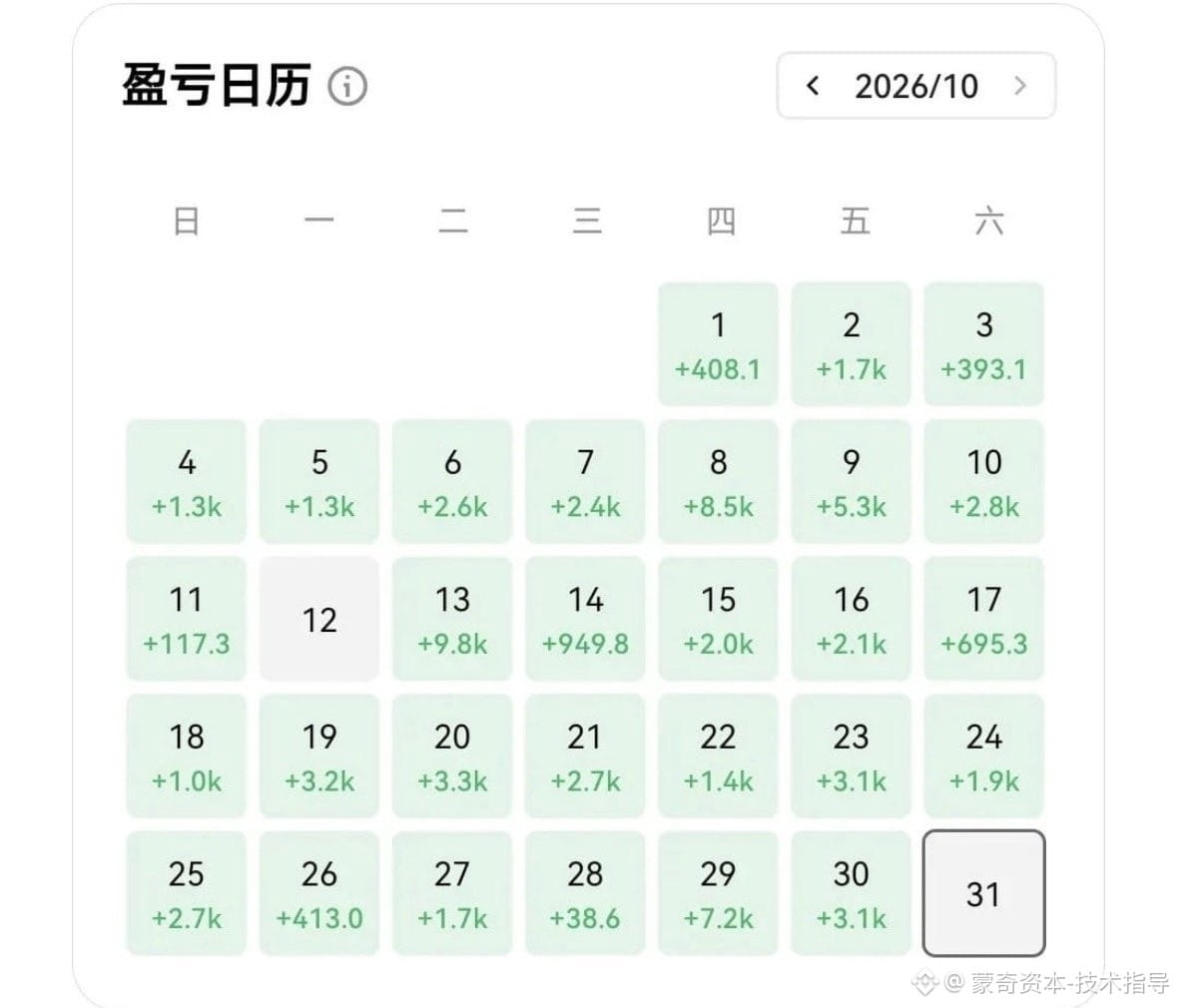
I once knew a friend who entered the crypto market with 900U and grew his account to 36,000U in five months. What was most impressive wasn't how much he made, but that he always put risk first throughout the process and never let one impulsive trade knock him out.
He didn't have a complex trading system. He simply stuck to three principles:
First: Divide your capital into portions, and never put yourself in a position where you have to go all in.
He split his 900U into three parts:
300U for short-term trades, keeping the frequency under control and planning no more than one trade per day.
300U for trend swings, waiting only for opportunities that met his criteria.
300U as reserve capital, which, in principle, he didn't use for everyday trading.
Don't put all your chips on the table at once. The biggest risk with a small account isn't slow gains—it's making one mistake and losing the chance to start over.
Second: When the market is unclear, it's better not to trade.
When prices are moving sideways and the direction is uncertain, try to keep your hands off the keyboard. If there's no clear trend or entry signal, keep waiting.
Truly mature traders don't look for opportunities in the market every day. They know when they should stay away from it.
Third: Set your rules in advance, and don't let emotions dictate your trades.
If the price hits your preset stop-loss, exit decisively.
When you reach an interim target, take profits in stages to protect your gains.
After your account is in profit, withdraw some of the funds to avoid putting all your gains back into the market.
Pause trading after a series of losses. Don't rush to add to your position to win it all back.
Don't chase rallies, hold onto losing positions, or let a momentary profit throw your plan off course.
Looking back now, his biggest change wasn't the account balance but his trading habits. He used to watch the market all day; now he only checks it at key levels and trades only when the setup meets his plan.
To go far with a small account, you don't need to win one big bet—you need to avoid fatal mistakes as much as possible.
Remember these three things: allocate your capital wisely, wait for good opportunities, and stick to your discipline.
In this market, staying in the game longer matters more than making money faster. If you don't burn through your starting capital, you'll still be around when the next opportunity comes.