#韩国数字资产基本法预计1月初定稿 South Korea’s Digital Asset Basic Act is expected to be finalized next January, signaling new regulations for the crypto market!
A new development in South Korea’s cryptocurrency regulation!
According to the latest reports, Min Byung-duk, a lawmaker from South Korea’s Democratic Party, said the final draft of the Digital Asset Basic Act is scheduled for completion in early January 2027, with subsequent legislative procedures to follow.
The bill covers several key areas, including stablecoin issuance, exchange oversight, investor protection, and digital asset taxation, and could have a far-reaching impact on South Korea’s crypto market.
First, regulation of won-denominated stablecoins has become a central point of contention.
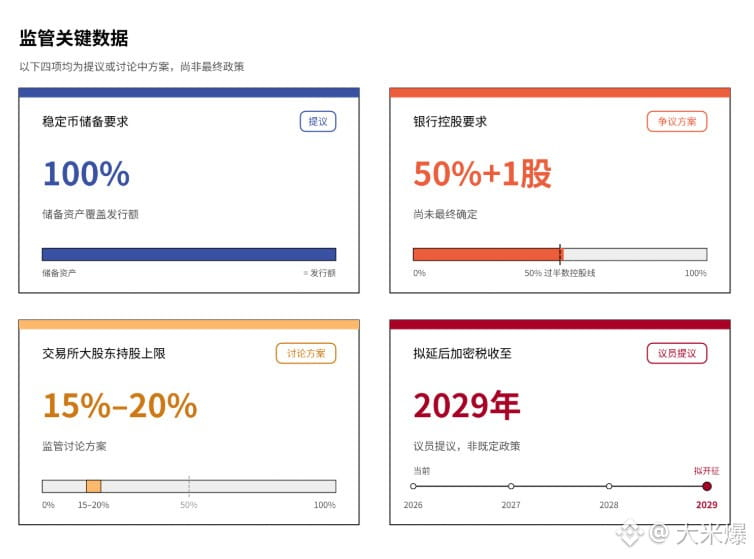
South Korean regulators previously discussed requiring banks to hold at least 50% plus one share in stablecoin issuers, but some lawmakers argue that regulation should not depend entirely on banks’ ownership stakes.
Instead, they advocate a regulatory approach that focuses more on actual risks, requiring issuers to hold 100% reserve assets while also meeting requirements for instant redemption, anti-money laundering, and customer identity verification.
Second, cryptocurrency taxation may be delayed again.
South Korea originally planned to begin taxing gains from some digital asset investments in 2027, but some lawmakers have now proposed postponing implementation until 2029 and allowing investment losses to be carried forward to offset gains over the following three years.
If the proposal is ultimately approved, South Korean investors may have more time to adapt to the policy.
So, what does this mean for the crypto market?
On the one hand, clear regulatory rules could reduce policy uncertainty for exchanges and stablecoin issuers, providing a clearer institutional framework for investment from institutions to enter the market.
On the other hand, stricter issuance and operational requirements could also raise compliance costs for businesses, putting greater competitive pressure on some smaller platforms.
However, the bill is still under discussion, and eligibility to issue stablecoins, restrictions on exchange ownership, and tax policies have yet to be finalized.
Overall, South Korea is moving from discussions about digital asset regulation toward building a formal framework, but the actual impact on the market will still depend on the final bill and the pace of its implementation.