


By Drake Bennett and Ian King, Bloomberg
Translated by Deep Tide TechFlow
Deep Tide introduction: After weeks of fighting allegations of an affair and leaking confidential information, Jensen Huang, who had led Nvidia for more than three decades, unconditionally handed over power and resigned late Wednesday night. The tech titan and founder who single-handedly helped shape the global AI boom looked exhausted and drained under the mounting pressure of the board and the investigation.
From initially being accused of an improper relationship with a suspected spy to later being exposed for having an affair with a senior company executive, the scandal brought Jensen Huang down from his pedestal with stunning speed. With interim CEO Colette Kress taking the helm, Nvidia faces not only a reshuffle of power but also tough questioning from Congress.
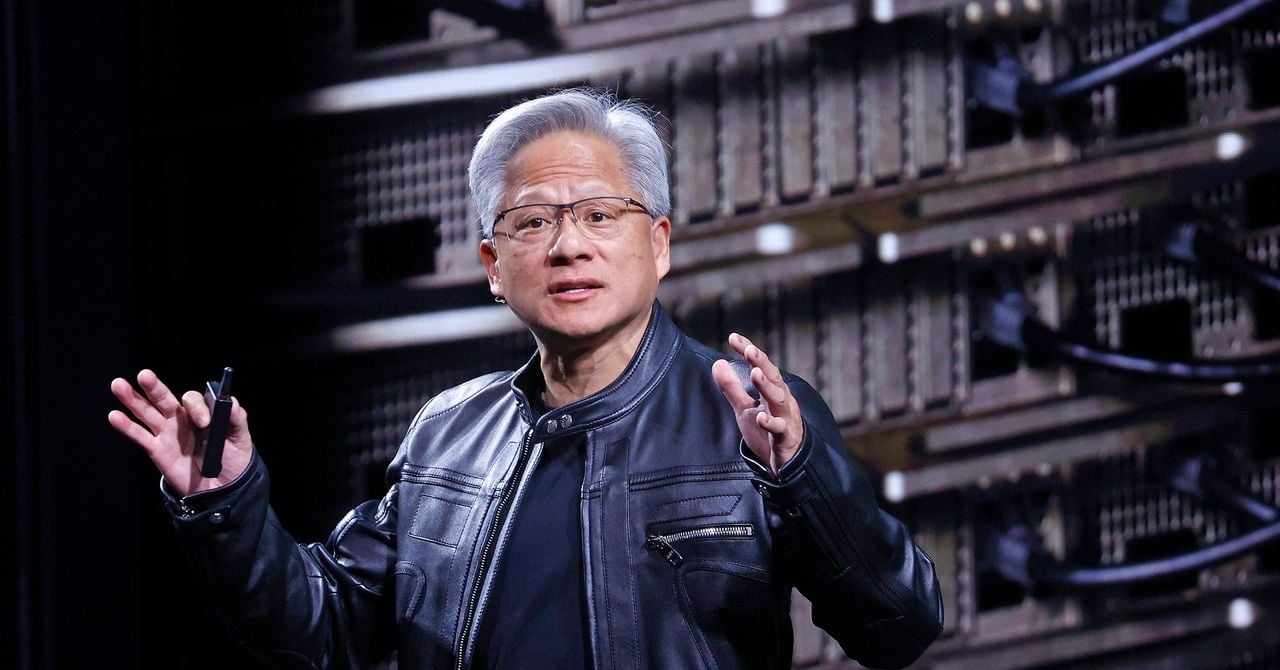
In the end, Jensen Huang appeared exhausted and emotionally shattered; the legendary energy he was once known for had completely run out. After weeks of denying allegations of infidelity and struggling to hold on to his position as Nvidia’s CEO, he chose to give up unconditionally late Wednesday night.
According to a person familiar with the matter, Huang’s once commanding, decisive manner had long since vanished. He had even started frequently saying things like “whatever” and “I don’t care.”
Over the decades he spent building Nvidia into an AI chip giant worth trillions of dollars, Huang was known for his extreme attention to even the smallest details, from low-level chip architecture to compensation plans for the company’s most junior employees. But to those who were there at the time, he had completely given up fighting.
People who spoke with Huang in recent days say he has fallen into deep regret, even berating himself as “a total asshole.”
For the billionaire tech titan, the fall came with astonishing speed. Just two weeks ago, he was the global face of AI. His blunt style and boundless energy had earned him the admiration of U.S. President Donald Trump, made him a key figure in shaping global technology policy, and sparked frenzied adulation during worldwide trips that resembled papal tours.
It is hard to imagine whether today’s AI boom would have happened without Huang, Nvidia, and its chips; it is just as hard to imagine how the AI industry will look after his dramatic departure.
As Nvidia board chair Harvey Jones wrote in an email to employees after Huang’s departure: “Jensen Huang’s contributions to Nvidia have been profound and exceptional. Nvidia is also one of the most influential technology companies in the world today.”
Huang could not be reached for comment.
The Future of AI Without Huang
When news first emerged in late October of Huang’s close ties to a woman suspected of espionage, many initially thought he could weather the storm. Nvidia’s board members, most of whom were Huang’s longtime investors, business partners, and friends, were reluctant to act on media reports and even declined to comment publicly.
At the time, most news reports were extremely cautious in describing the exact nature of the relationship between the CEO and the suspect, Alice Huang. Huang firmly denied to friends and colleagues that he had been unfaithful to his wife. In fact, he had been denying it ever since he was questioned internally at the company in late 2025.
In his final interviews as CEO with Bloomberg, Huang continued to insist that his dealings with Alice Huang were simply typical business interactions with Chinese clients and executives. “There’s nothing unusual about any of this,” he said at the time.
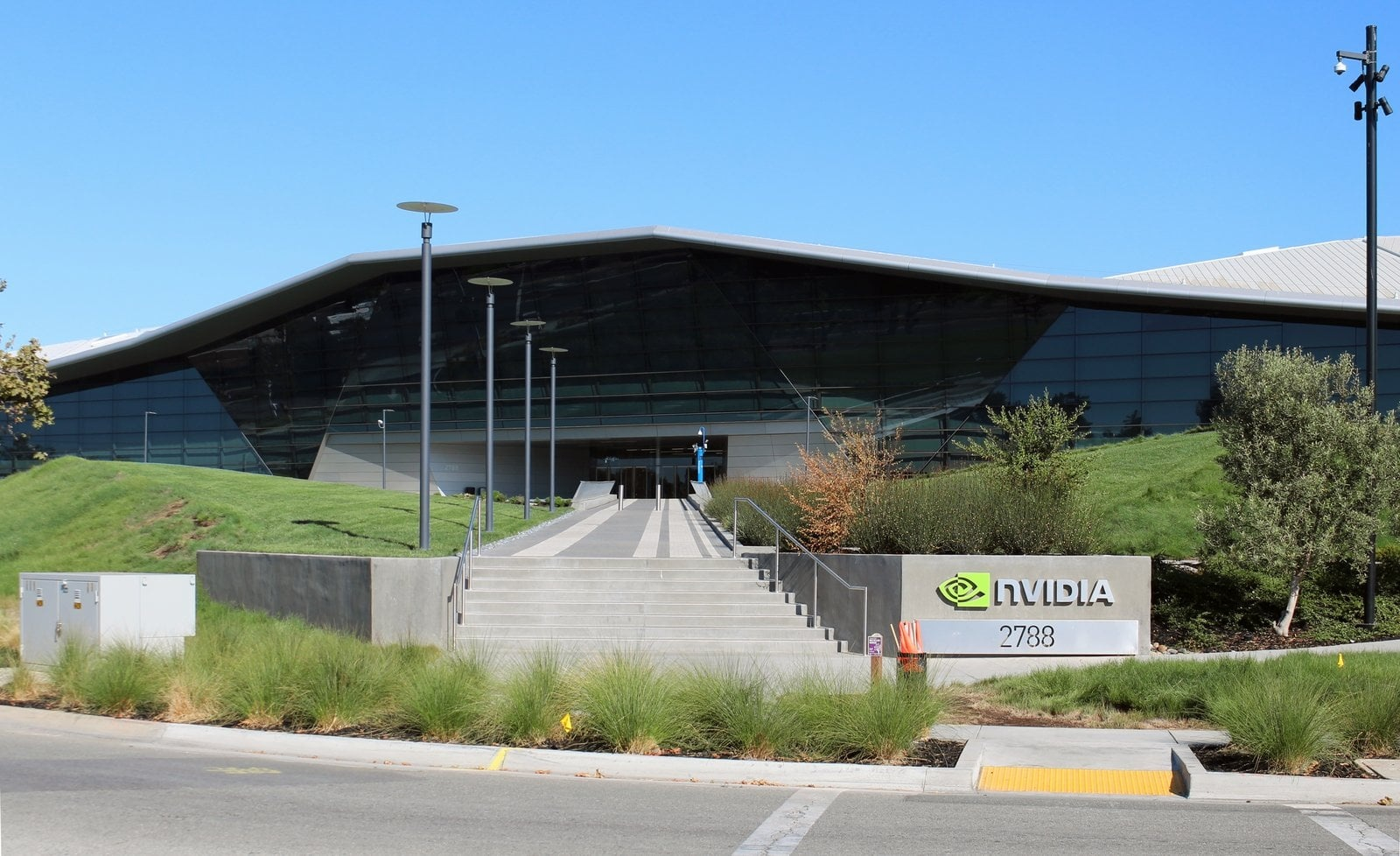
Photo: Nvidia headquarters in Santa Clara, California
The turning point came last Friday, November 6. The Financial Times cited U.S. officials as reporting that the two were having an affair. Shortly after the story was published, Nvidia General Counsel Tim Teter went to Huang’s home to confront him in person, and Huang then admitted the truth.
Even at that stage, most directors were still unwilling to state their positions publicly, but Teter, who served as board secretary, bluntly told them they had to act. The board then announced an investigation into the allegations and hired the prominent law firm Wachtell, Lipton, Rosen & Katz to lead it.
On Sunday, Huang sent an internal email to the entire company, publicly acknowledging the affair, apologizing to his family, and promising to “cooperate fully” with the board’s investigation.
What Huang’s Exit Means for Nvidia
As the scandal continued to unfold, signs suggested that Huang’s energy was inevitably being drained, making it difficult for him to focus on handling the company’s complex day-to-day responsibilities.
Under Nvidia’s unusual organizational structure, about 60 executives report directly to Huang—by conventional management standards, almost like a small army. Employees across the company are required to regularly email their five top priorities, allowing Huang to ensure that everyone is advancing the work he considers most important.
In the past, Huang would respond to these emails almost instantly, day or night. But in recent days, his replies have been taking noticeably longer.
By Wednesday, The New York Times had dropped another bombshell, reporting that Huang was also having an affair with Kimberly Powell, Nvidia’s vice president in charge of healthcare. This time, the board reacted extremely quickly.
Board members held an emergency remote meeting on Wednesday that continued late into the night. In the end, Huang had no choice but to resign, losing every formal position at the company he had co-founded.
The next morning, the board formally announced that Chief Financial Officer Colette Kress would serve as interim CEO. Kress moved quickly to reassure anxious employees.
Internal emails reviewed by Bloomberg show that Kress wrote: “I have tremendous confidence in this company and its future. Most importantly, I believe in each and every one of you, in our customers and partners, and in the essential role we play every day in the global economy.”
Kress added in the email: “The board, the entire management team, and I know this is an extremely difficult time, and I sincerely appreciate the resilience, professionalism, and steadfast dedication you have shown.”
Kress promised to hold an all-hands meeting on November 18. The day before, Nvidia is due to report its latest earnings, and Wall Street analysts broadly expect sales for the quarter to nearly double year over year.
Now, the board must confront the daunting challenge of finding a successor to Jensen Huang. Executives seen as potential candidates include AMD CEO Lisa Su and Arm Holdings CEO Rene Haas, among others.
But in reality, it is hard to imagine anyone who could fully fill all the roles Huang leaves behind: He is not only a technology expert, but also a chief executive, a top salesman, a policy lobbyist, and the spiritual icon of Nvidia. And Nvidia has never seriously drawn up a traditional succession plan. For better or worse, Nvidia will now begin its transformation into a conventional company, operating and managing itself in a more standardized, ordinary way.
As for Huang personally, even if he has started thinking about stepping down, he is unlikely to fade quietly from public view. In the coming weeks, he is expected to testify before the U.S. Congress, where lawmakers will sharply question him about his close relationship with Alice Huang and whether the entanglement could jeopardize the closely guarded secrets behind Nvidia’s most advanced chips.
People who spoke with Huang in recent days say he has claimed that he no longer cares about his personal fate. He said his main concern right now is his wife, and that he is doing everything he can to avoid “ruining the lives of multiple women,” who have now been thrust into the spotlight of public scrutiny.