
Jensen Huang really is gone
The moment Nvidia made the announcement on November 12, the tech and crypto worlds fell silent for a moment.
In 33 years, he turned a graphics card company that was on the verge of collapse into an AI giant with a peak market cap of over $4 trillion. Now he has stepped down as president, CEO, and board member, effective immediately. CFO Colette Kress is taking over on an interim basis, and Harvey Jones has been named the new board chair.
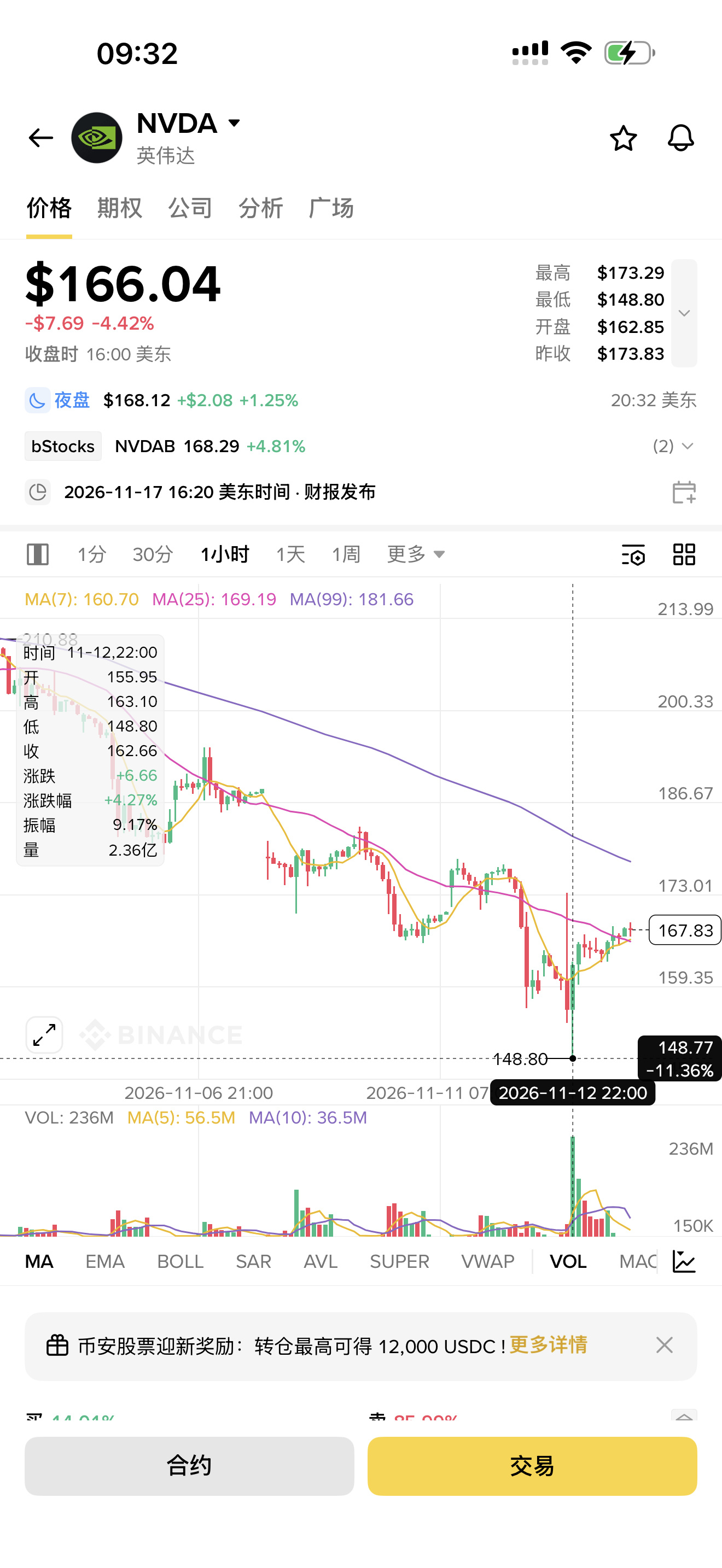
As soon as the news broke, NVDA took a direct hit at the opening bell, plunging more than 14% at its lowest point during the day. Nearly $500 billion in market value vanished in a week.
The key point first:
He didn’t step down simply because of his private life. First, reports emerged of ties to a businesswoman suspected of having links to Chinese intelligence. Then came reports that he had been involved with an executive who reported directly to him. It took the board just a few days to launch an investigation and accept his resignation. U.S. national security concerns, export controls, and all kinds of political pressure piled up, and he couldn’t take it anymore.
I think the key question to watch next is: 【Will Nvidia still be the same Nvidia after Jensen Huang leaves?】
For the past few years, Nvidia has practically been synonymous with AI. The CUDA ecosystem, new-card supply, customer priorities—even the fundraising timelines of many AI startups—all revolved around him. He wasn’t the kind of boss who just made grand promises: he would personally help clients negotiate deals, connect entrepreneurs, and make the final call on production capacity. When a company is this dependent on its founder, no one knows for sure what comes next once the person at the helm leaves.
In the short term, Colette should have little trouble taking over. She has managed the finances for over a decade and knows the company’s books inside and out. At the very least, she can keep the business steady, and next week’s earnings report on November 17 will be released as scheduled.
But there’s not the slightest sign of who the long-term successor might be, and the market is already speculating: will they keep looking for someone with a technical background, or choose someone who understands compliance and Washington better?
I lean toward the latter being more likely.
When Jensen Huang was in charge, Nvidia consistently tried to sell to the Chinese market whenever possible and fought for every opportunity. He had a good relationship with Trump, which gave him a little room to maneuver on export controls.
Now that there’s a change at the top, the board will likely take a more cautious stance to protect itself, and restrictions on supplying China and on advanced chips may tighten further.
That’s not good news for China’s domestic computing-power industry chain. But in turn, it will also force domestic substitutes to accelerate—and that’s already the direction of travel.
#黄仁勋辞任CEO,英伟达战略走向受关注