
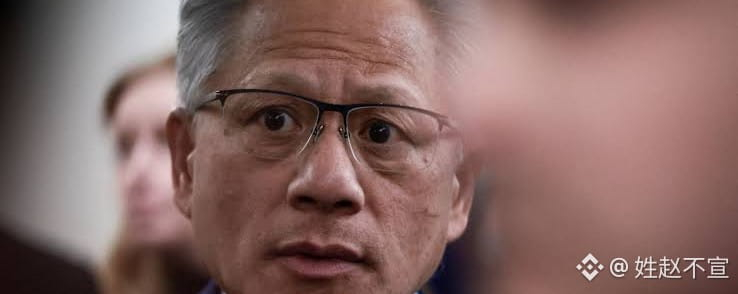

Everyone online is wondering how many people Huang slept with, but what really has Wall Street breaking out in a cold sweat isn't what went on in the bedroom. It's the three brutal truths exposed by this black swan event: $NVDA
The first truth: Why did the board dare to push Silicon Valley's one and only “creator” out the door within 96 hours?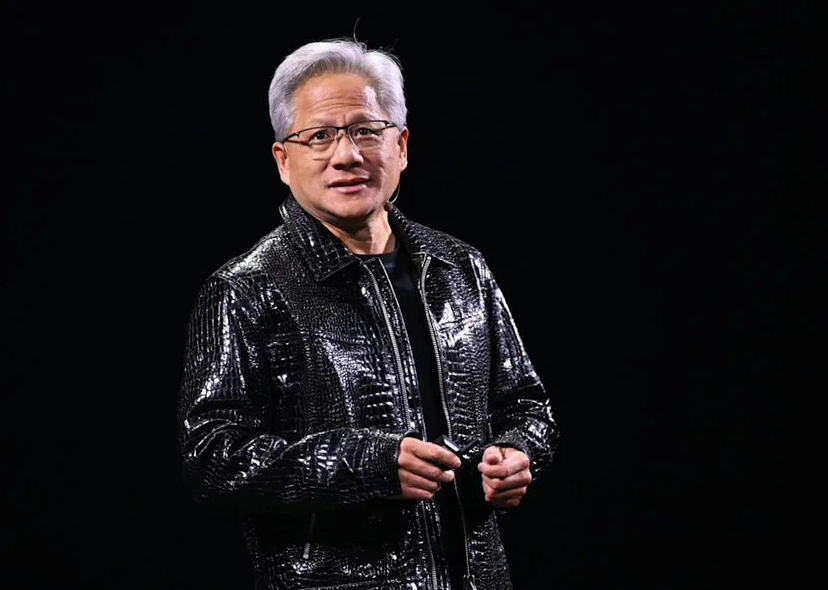
Many people can't understand it: After founding Nvidia and leading it for 33 years, Huang turned a little graphics-card shop into a trillion-dollar empire. How could they just kick him out? Take a look at Nvidia's corporate bylaws and you'll get it—Huang fell victim to his own “virtues of modern corporate governance.”
Nvidia has no dual-class share structure. Jensen Huang holds only a single-digit percentage of the shares and voting rights. Under the bylaws, the board has 11 directors, and just six votes are enough to fire the CEO outright—without giving any reason.
Compare that with Meta next door: Zuckerberg holds tightly to his supervoting shares. If the same scandal had happened to Zuck, the board wouldn’t be able to lay a finger on him.
When a founder doesn’t have dual-class shares, it’s called “the virtue of transparent governance” when things are going well. But when trouble hits, it becomes a fatal vulnerability—one stroke, and you’re done. On November 8, the board was still declaring its “complete confidence”; four days later, six votes were enough to cut him loose, leaving him without even a board seat.
The second truth: With Huang out, the first thing that may lose its supply is AI computing power in China.
Many people are still guessing who will succeed him (and, to dispel a rumor: Jay Puri, whose name went viral yesterday, retired back in June. Stop spreading this fake story—there isn’t even an 8-K filing). But for Chinese-speaking audiences, the truly dangerous ticking time bomb is in Washington.
For the past few years, the person who has done most of the lobbying in Washington under immense political pressure, trying to pry open a path for chip sales to China, has been Jensen Huang himself.
Now he’s out, and Congress is seizing the opportunity to push for a batch of extremely strict restrictions on advanced AI chip exports to be inserted into this year’s (National Defense Authorization Act) (NDAA).
The lobbying vacuum Huang leaves behind can’t be filled by interim CFO Colette Kress, and a new CEO in the future will be even less willing to touch it. My personal view: under the shadow of national security investigations, the window for Nvidia’s China-specific chips will most likely be welded shut for good.
The third truth: Nvidia is sliding toward an “Intel moment in 2018.”
Over the past decade, two giants in the U.S. stock market changed CEOs because of their leaders’ workplace conduct—and the outcomes couldn’t have been more different:
▪️ In 2019, McDonald’s ousted Easterbrook, and its stock kept rising—because selling burgers doesn’t require faith in technology, and anyone can be CEO;
▪️ In 2018, Intel ousted Krzanich and put its CFO in charge on an interim basis. Its technology roadmap then unraveled, and it missed the entire mobile and AI eras.
Unfortunately, Nvidia is an even more extreme “technology dictatorship” than Intel.
Five days from now (November 17) is Q3 earnings night—the first one without Jensen Huang. CFO Colette Kress, a pure finance executive, will face Wall Street’s grilling alone:
When will the board find a technically savvy leader?
With its central figure gone, will next quarter’s guidance be lowered?
Have super-sized customers like Microsoft and Meta lost confidence?
Some people are asking whether Huang might return like Steve Jobs in 1997 or Altman last year.
Don’t get your hopes up.
Even if Reuters says the vast majority of employees want him to stay, and even if he remains the fourth-largest shareholder, this time the investigation tied to national security has changed everything.
The leather jacket is in storage. The era when one man decided the direction of global computing power is truly over. Buckle up for earnings night on November 17.