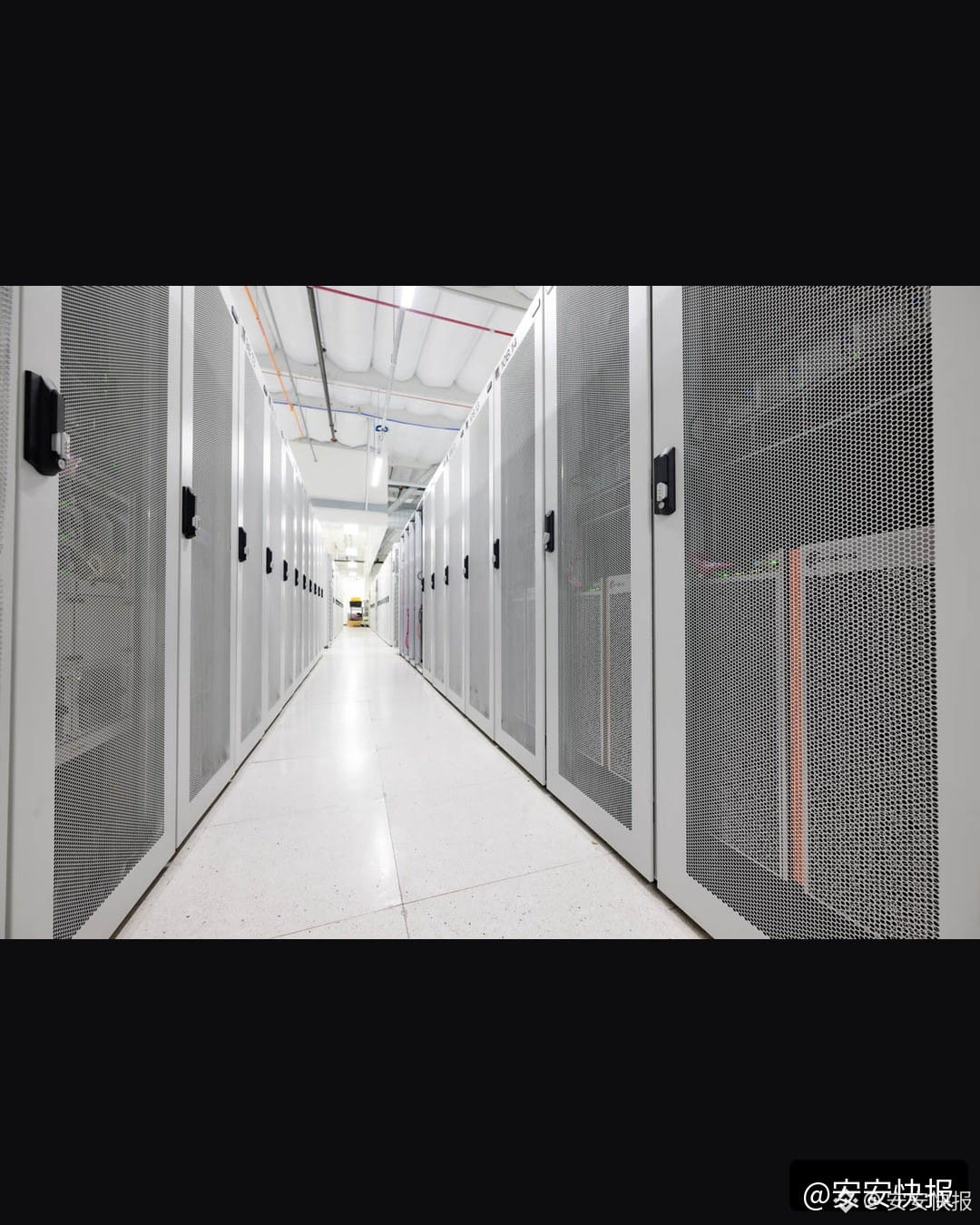
Losses widened, yet the stock rose more than 10% after hours—the market only saw half of Cerebras’s earnings report. 📈
The Q3 results we discussed yesterday are out. Let’s go through them one by one:
Core revenue was $230.9 million, up 70% year over year and beating Wall Street’s $214.7 million consensus; GAAP revenue was $210.8 million, up 55% year over year, also a record;
Cloud was the real star: $141.9 million on a GAAP basis, up 265% year over year; core cloud revenue was $144.9 million, up 272%;
The backlog reached $26.1 billion, up another $700 million from $25.4 billion at the end of Q2;
Q4 core revenue guidance is $310–330 million, and full-year guidance was raised straight to $940–960 million from the previous $880–890 million.
On the other hand, there was also bad news: a loss of $0.67 per share, compared with $0.41 in the same period last year, while the GAAP net loss widened to $161.2 million.
My take: Yesterday, I said this report wasn’t about how much the company was losing, but whether its $25.4 billion backlog could turn into revenue—and the answer is yes. Microsoft also signed a new commercial partnership, Oracle’s partnership takes effect in 2027, and 700 megawatts of data center capacity have already been signed. The market’s expectations for AI hardware have changed: a good story alone isn’t enough. With orders, revenue, and guidance all in place, investors can set widening losses aside for now. While Nvidia was still reeling from a sharp drop following its CEO’s resignation that same evening, a challenger surged after hours on its earnings report. Pricing power in AI chips is starting to shift from one dominant player to a market where multiple companies have to prove themselves. Keep an eye on Nvidia’s earnings on November 17. If $NVDA can’t deliver guidance of this caliber, this run-up in $CBRS may be more than a one-day wonder.
Data as of: 2026-11-12 23:00 UTC
For informational purposes only; this is not investment advice.
The Q3 results we discussed yesterday are out. Let’s go through them one by one:
Core revenue was $230.9 million, up 70% year over year and beating Wall Street’s $214.7 million consensus; GAAP revenue was $210.8 million, up 55% year over year, also a record;
Cloud was the real star: $141.9 million on a GAAP basis, up 265% year over year; core cloud revenue was $144.9 million, up 272%;
The backlog reached $26.1 billion, up another $700 million from $25.4 billion at the end of Q2;
Q4 core revenue guidance is $310–330 million, and full-year guidance was raised straight to $940–960 million from the previous $880–890 million.
On the other hand, there was also bad news: a loss of $0.67 per share, compared with $0.41 in the same period last year, while the GAAP net loss widened to $161.2 million.
My take: Yesterday, I said this report wasn’t about how much the company was losing, but whether its $25.4 billion backlog could turn into revenue—and the answer is yes. Microsoft also signed a new commercial partnership, Oracle’s partnership takes effect in 2027, and 700 megawatts of data center capacity have already been signed. The market’s expectations for AI hardware have changed: a good story alone isn’t enough. With orders, revenue, and guidance all in place, investors can set widening losses aside for now. While Nvidia was still reeling from a sharp drop following its CEO’s resignation that same evening, a challenger surged after hours on its earnings report. Pricing power in AI chips is starting to shift from one dominant player to a market where multiple companies have to prove themselves. Keep an eye on Nvidia’s earnings on November 17. If $NVDA can’t deliver guidance of this caliber, this run-up in $CBRS may be more than a one-day wonder.
Data as of: 2026-11-12 23:00 UTC
For informational purposes only; this is not investment advice.