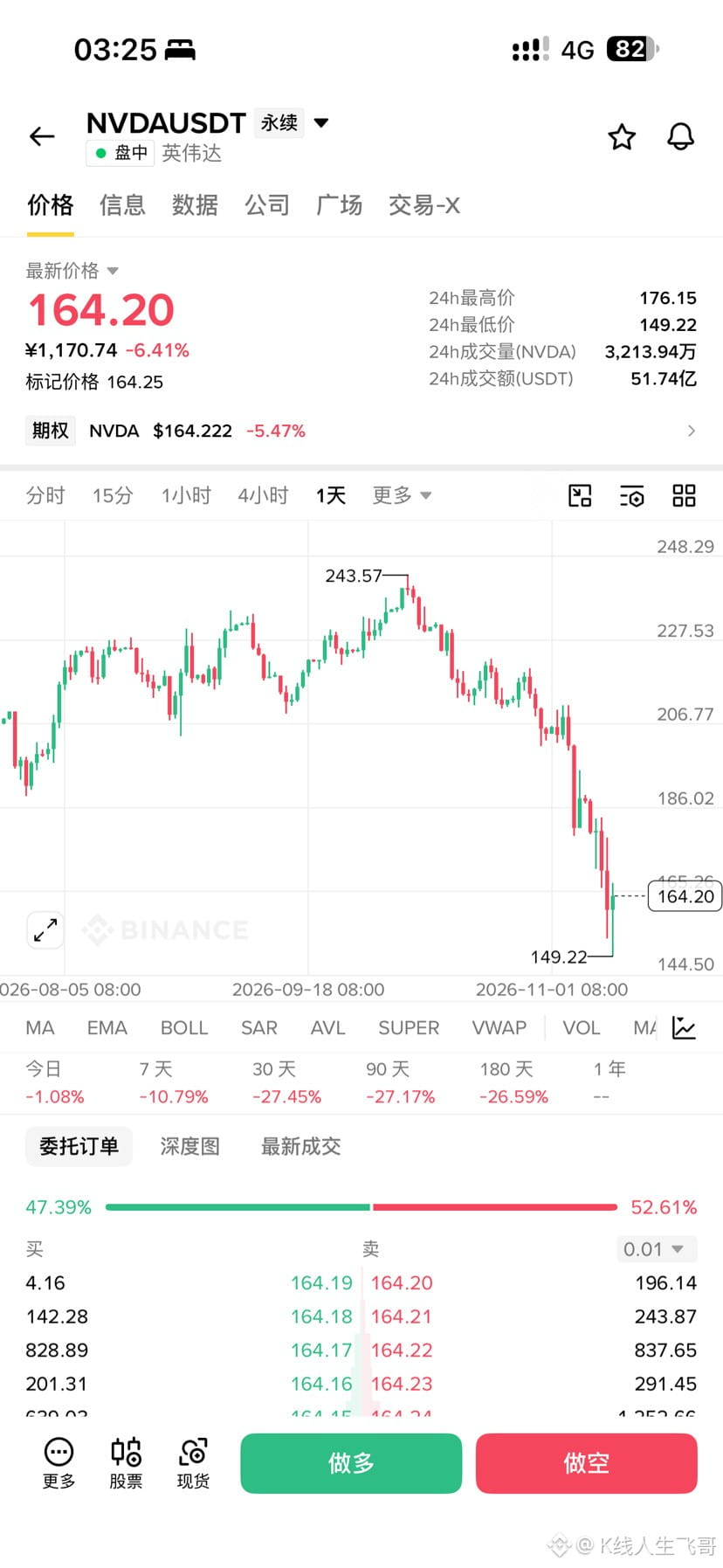

People who have never worked at a foreign company may find it hard to understand why it’s such a big deal for Jensen Huang to have a fling, but in reality, there’s a lot more to this than meets the eye.
1. Jensen Huang’s girlfriend’s company in Singapore smuggled Nvidia graphics cards worth $7.2 billion, equivalent to roughly RMB 45–50 billion. Because these cards came with no after-sales service, repairs, or maintenance—and because demand in China was strong and buyers paid a premium—a conservative estimate puts the profit margin at over 30%. In other words, through his own front man, Huang built up a little slush fund of $2.1 billion (RMB 13 billion). These funds are unregulated and can be used however he pleases. Huang may be worth a fortune, but cashing out his stock requires approval from the U.S. Securities and Exchange Commission. So Huang was playing a game of financial crime.
2. Nvidia graphics cards are in short supply. After many U.S. companies place cash orders, they have to wait six months to a year for production. But the cards ordered by Huang’s mistress could be shipped immediately. In other words, Chinese AI companies actually got the latest computing cards earlier than many U.S. companies. That may be why the U.S. government stepped in to deal with him.
3. The U.S. strictly regulates high-tech exports. Employees at virtually all U.S. companies have to undergo relevant training and sign related documents every year. So Meng Wanzhou couldn’t claim she didn’t know that selling American computers to Iran was illegal. If a subsequent investigation finds that Huang acted knowingly and deliberately, fully aware of where the smuggled graphics cards were going and having signed the relevant documents, the consequences could be extremely serious.
This time, Huang really messed up…….$NVDAB $NVDA