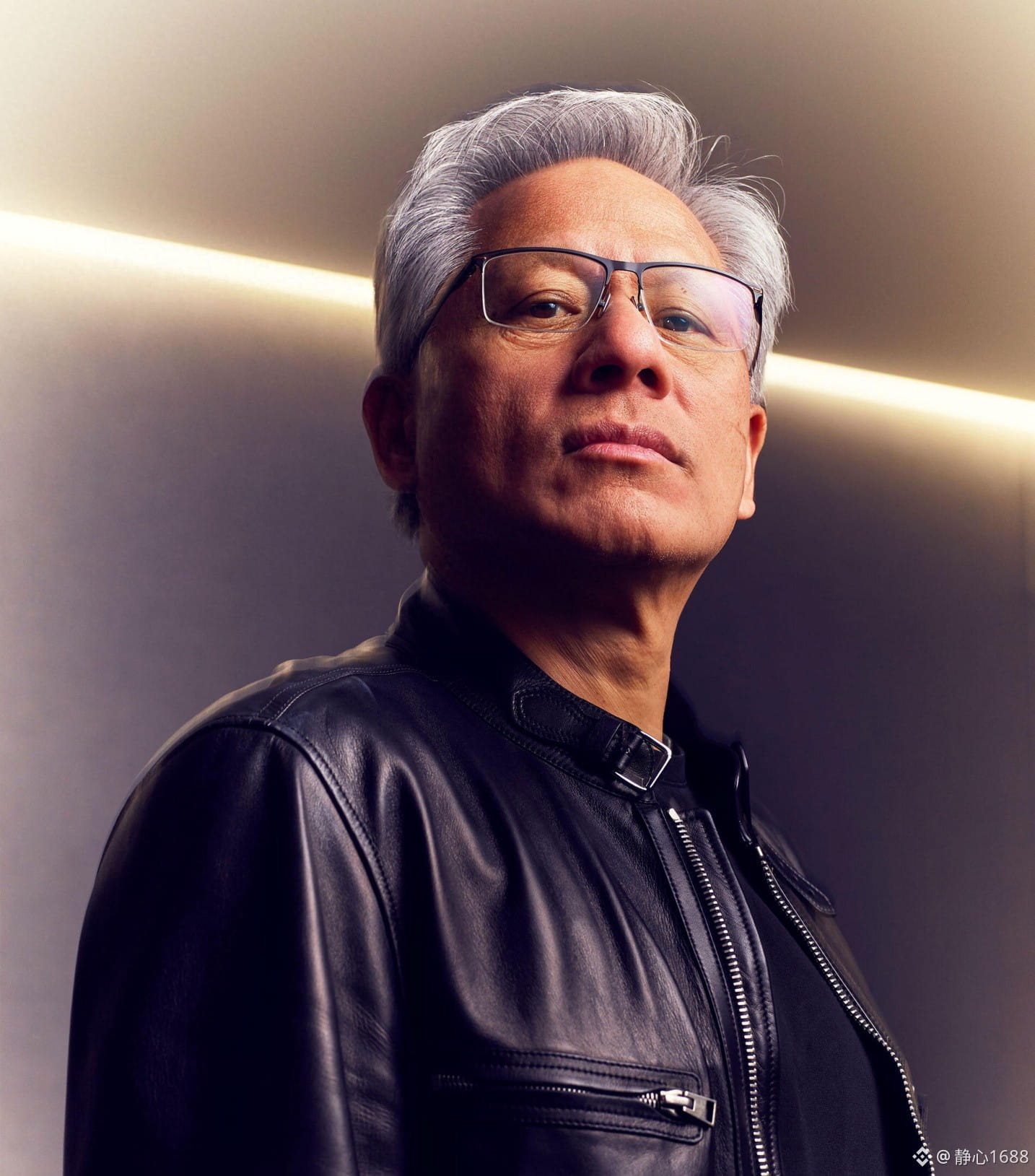

🔊 Huang’s departure will likely have a manageable impact on Nvidia’s short-term operations, but could put greater pressure on its long-term strategy and market confidence.
💥Operations: Limited short-term disruption
The company has appointed CFO Colette Kress as interim CEO and, for the first time, established the role of board chair, naming Harvey C. Jones to the position. Kress has been a regular partner of Huang’s on earnings calls for many years and is deeply involved in the company’s finances and operations. The board said it expects “operations, customer commitments, and product roadmaps to continue uninterrupted.” As a result, day-to-day operations and the established pace of chip deliveries are unlikely to be disrupted immediately.
💥Strategy and market confidence: More far-reaching effects
Huang is not only Nvidia’s CEO, but also the public face of its AI narrative and the core of its internal decision-making. Analysts say he is seen as the public face of the entire AI industry, and his departure adds further uncertainty ahead of Nvidia’s earnings announcement and amid volatility in the AI sector. More importantly, Nvidia has long been founder-led, with Huang holding substantial decision-making power. Even a highly capable successor may find it difficult, in the short term, to replicate the personal trust Huang has built with customers, politicians, and suppliers. Nvidia’s high valuation has partly reflected the market’s confidence that “Huang can handle everything.”
💥Potential ripple effects
Some customers and partners may reassess their long-term commitments to Nvidia. One trader noted that if Nvidia scales back its broad investment and lending ecosystem amid internal turmoil, smaller AI companies that depend on its financial support could be affected. In addition, if the resignation is related to the rumored investigation, there could be increased calls for scrutiny in the U.S. Congress. #黄仁勋辞职