Jensen Huang leaving NVIDIA would be like Musk leaving SpaceX
1993: The beginning at a Denny’s
Jensen Huang was born in Tainan and immigrated to the United States with his family as a child. He studied electrical engineering at Oregon State University and Stanford, then worked in chip design at AMD and LSI Logic. In 1993, at age 30, he came up with an idea over a conversation at a Denny’s in California with Chris Malachowsky and Curtis Priem: computers would eventually need chips designed specifically to process graphics. The three pooled about $40,000 to found NVIDIA, with Huang as CEO.
1995–1999: On the brink of collapse
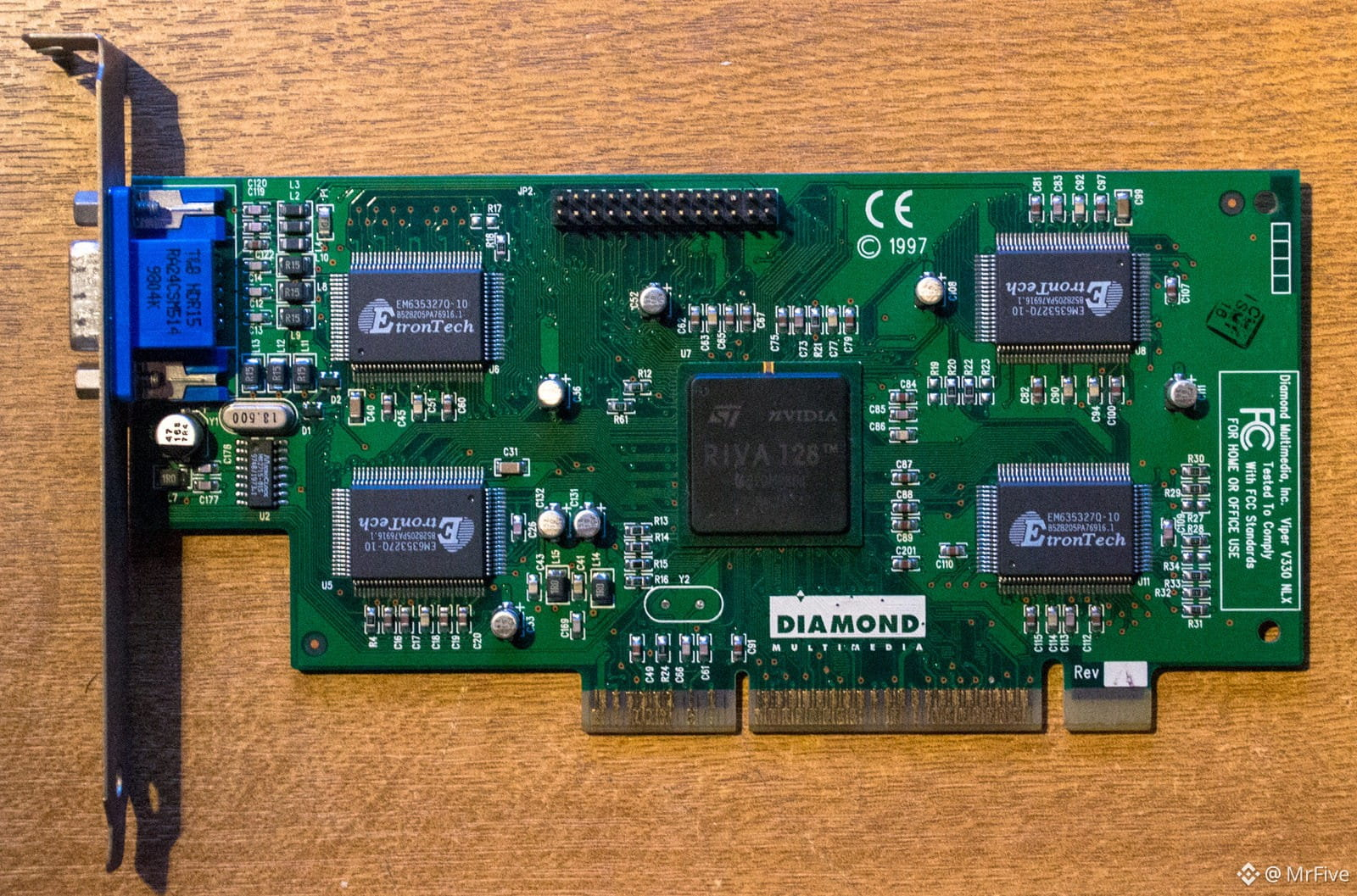
The first product, NV1, followed the wrong technological path and barely sold. At one point, the company had only enough money left to cover a month’s payroll. The later RIVA 128 turned things around. NVIDIA went public in 1999, and that same year launched the GeForce 256, coining the term “GPU.” From then on, it became synonymous with gaming graphics cards.
2006: Betting on CUDA
Huang introduced CUDA, enabling GPUs to do more than just run games—they could also perform general-purpose computing. Wall Street didn’t understand it and saw it as a money sink. The stock price remained depressed for years, but he held firm for nearly a decade.
2012: AI comes knocking
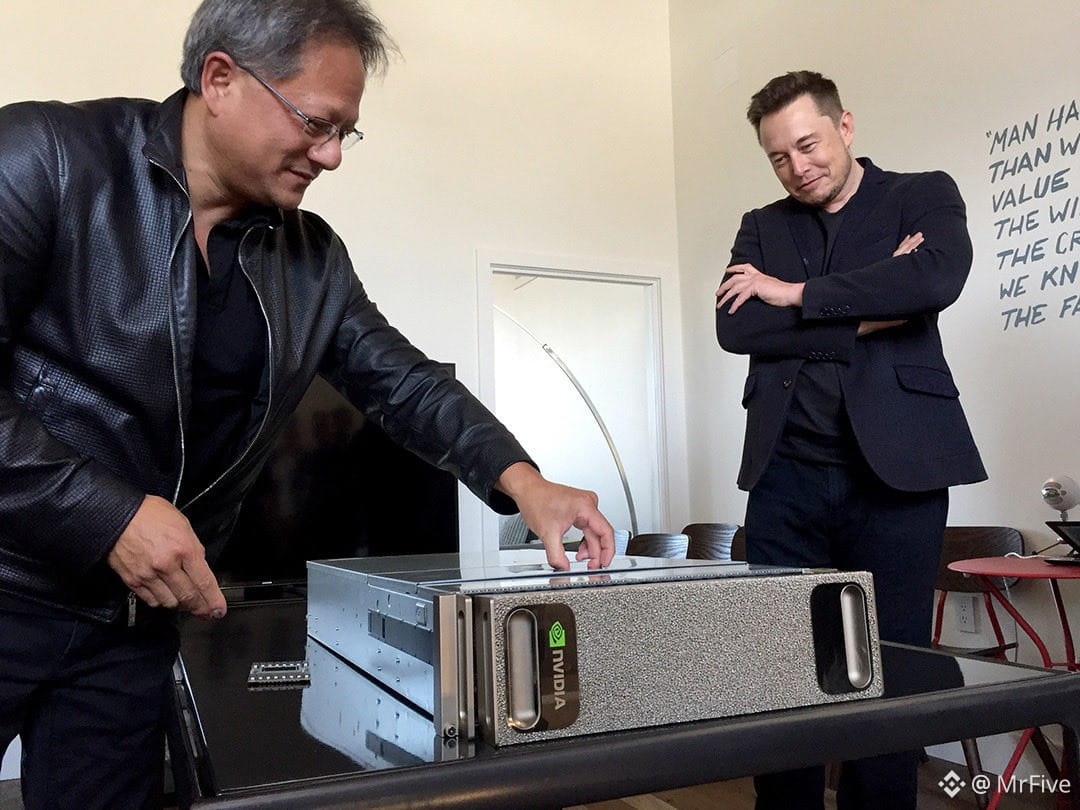
A team at the University of Toronto trained AlexNet using two NVIDIA graphics cards, setting off the deep-learning boom. CUDA, which no one had believed in, became a staple for AI researchers. In 2016, Huang personally delivered the first DGX-1 supercomputer to OpenAI.
2022–2025: Reaching the top globally
ChatGPT ignited generative AI, and the world scrambled for H100 and Blackwell chips. NVIDIA came close to monopolizing AI computing power. Its market capitalization surged from hundreds of billions of dollars to $4 trillion, making it the world’s most valuable company for a time.
Then came a series of events that broke in October and November 2026.
It took him 33 years to go from $40,000 at a restaurant to a $4 trillion market capitalization; it took less than three weeks to fall from his pedestal.
I wonder whether NVIDIA will bring Jensen Huang back, the way Apple once brought Steve Jobs back?