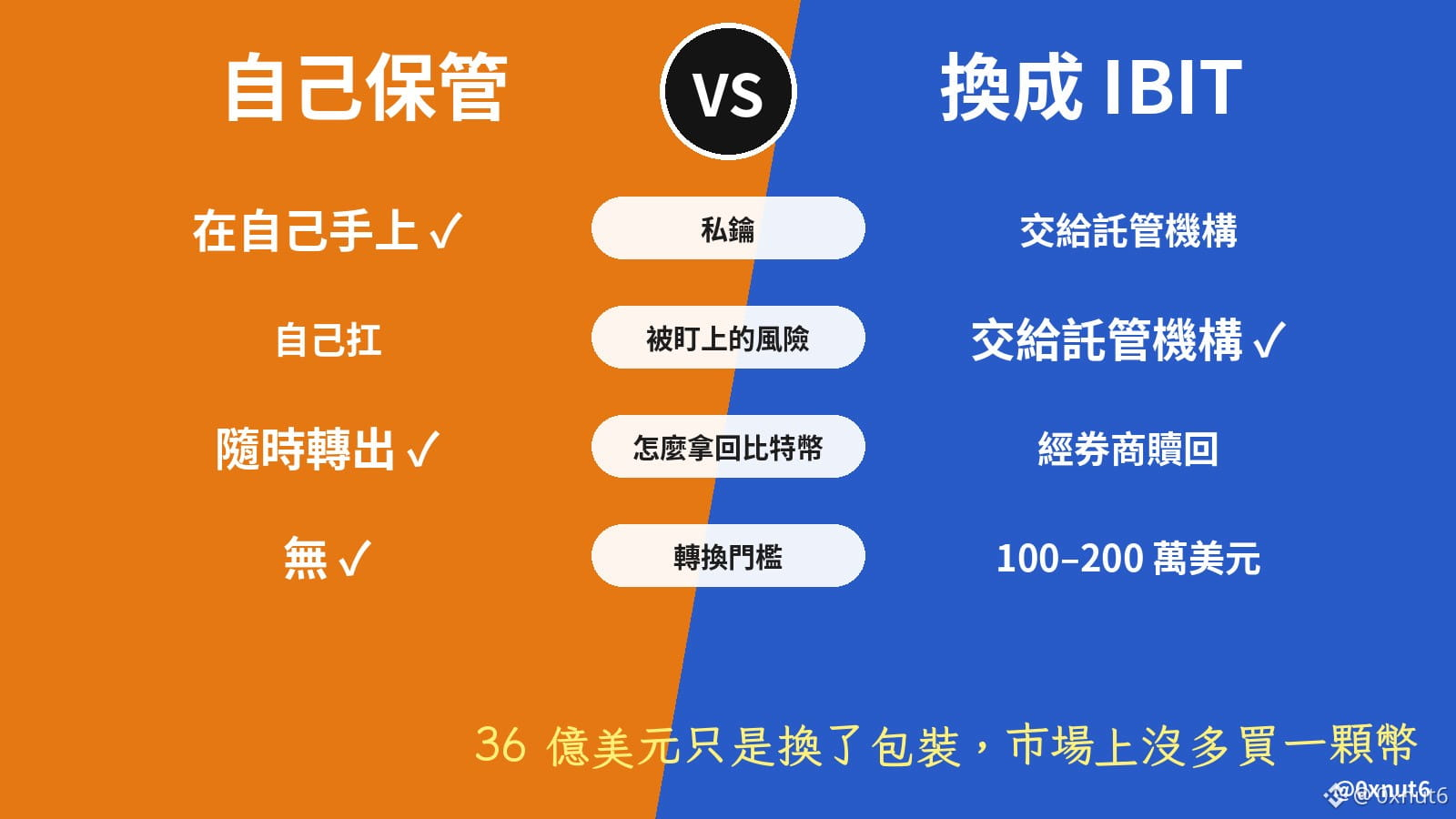
BlackRock Head of Digital Assets Robbie Mitchnick spoke with Barron’s on November 9. According to the report, since the U.S. allowed in-kind creations in July 2025, BlackRock has recorded about $3.6 billion worth of bitcoin being transferred directly from holders’ self-custody wallets into its iShares Bitcoin ETF, ticker IBIT. The actual figure may be higher, since some conversions are handled directly by intermediaries, and BlackRock may not see all of them.
Mitchnick said the reasons clients most often cite are security and peace of mind. French prosecutors responsible for organized crime have recorded 77 cases so far this year involving cryptocurrency-related kidnappings, extortion, and home invasions—more than in all of 2025. In August, a vulnerability was also found in the random number generation used to create private keys in Coldcard hardware wallets. For people holding large amounts of crypto, self-custody of private keys could make them a target.
These in-kind conversions can easily be misread in ETF flow data, because holders hand over bitcoin that already exists and receive newly issued ETF shares in return, without anyone buying coins on the market. These conversions are still counted in ETF creation figures, so when you see inflows, remember that some of them are simply the same bitcoin changing wrappers, not new money entering the market. In fact, cash flowed out over the past week. According to Farside data, U.S. spot bitcoin ETFs saw net outflows of about $1.28 billion in the week ending November 6, with IBIT accounting for about $1.21 billion.
The minimums have also been coming down. When in-kind creations first opened, a transaction required around $30 million; now, through intermediaries such as Galaxy Digital, Talos, and Virtu, transactions can be done with $1 million to $2 million.
After the conversion, the bitcoin is held in cold storage by an affiliate of Coinbase Prime. Holders no longer have the private keys; all they have is ETF shares in their brokerage accounts.
$BTC