SEC enforcement actions decline in number but become more focused
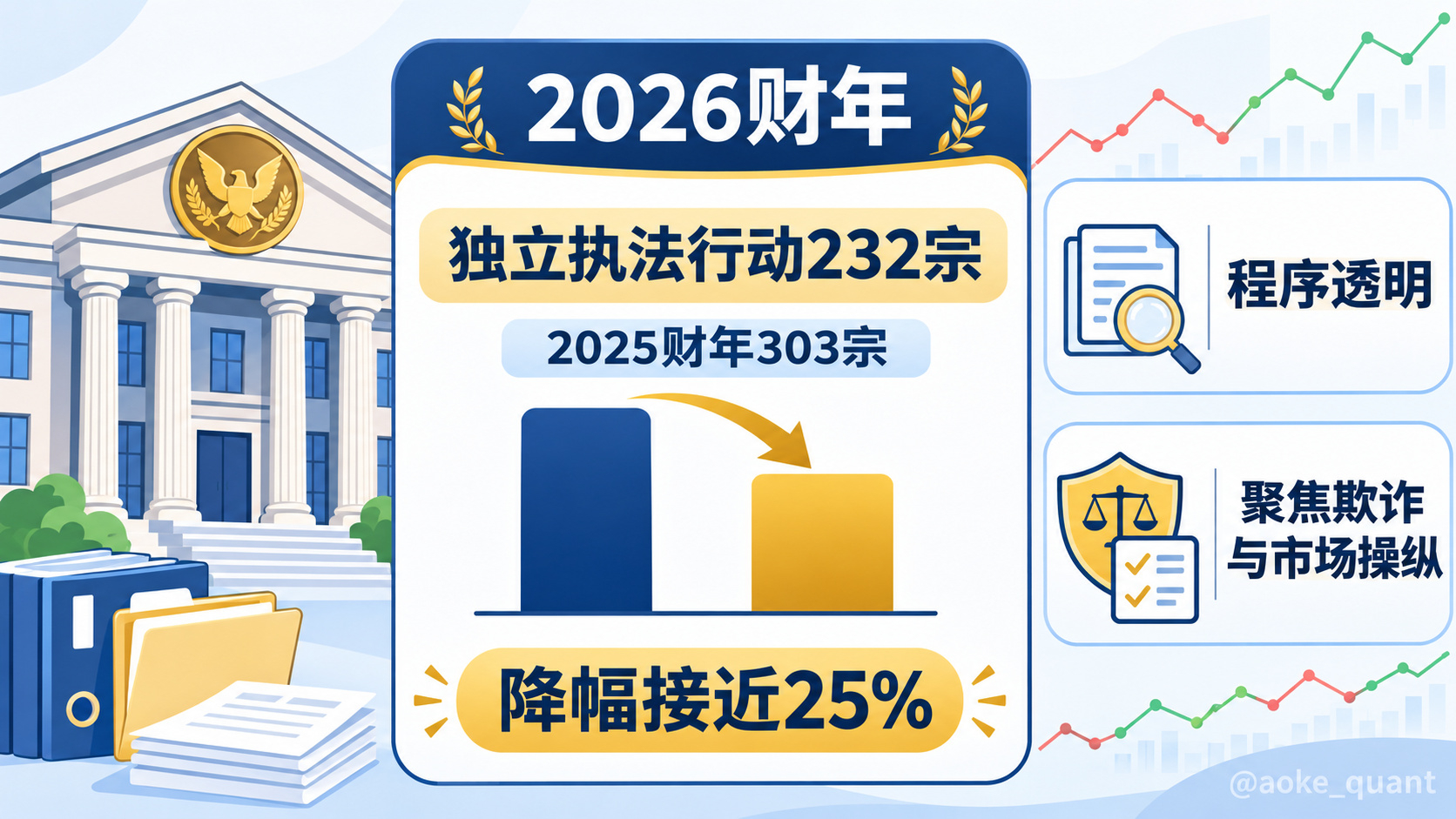
Claims that the U.S. Securities and Exchange Commission’s (SEC) enforcement activity decreased in fiscal year 2026 require first clarifying the basis of measurement. The SEC has not yet released an official enforcement report for that fiscal year. External studies do not all calculate the total number of cases in exactly the same way, but they broadly point in the same direction: enforcement actions fell from the previous fiscal year. One compilation found that, excluding follow-on administrative proceedings related to prior cases, there were 232 standalone enforcement actions in fiscal year 2026, down from 303 in fiscal year 2025—a decline of nearly 25%. Including follow-on proceedings, the annual total was 308 actions, a low not seen since at least 2018.
The decline in numbers does not mean regulators are stepping back. There were 122 standalone and follow-on enforcement actions in the first half of the year, down from 146 in the same period a year earlier. But the number rose to 163 in the second half, compared with 69 in the first half, indicating that activity was lower earlier in the year and higher later on. External analyses also note that cases were more concentrated in four areas: securities offerings; issuer reporting and auditing; investment advisers and funds; and insider trading. Together, these accounted for about 88% of activity for the year.
This shift is consistent with the SEC’s publicly stated enforcement approach. Regulators have stressed that case counts are not the sole objective, and that resources will be prioritized for fraud, market manipulation, abuse of trust, and conduct that causes significant harm to investors. The enforcement manual revised in February 2026 formalized procedural transparency and efficiency: recipients of Wells notices generally have four weeks to submit a statement, and related meetings are to be scheduled within four weeks of receiving the materials. Settlement offers and related applications for exemption may be considered at the same time.
For the crypto market, the impact is mainly on expectations rather than on any single number. If enforcement resources continue to focus on fraud, manipulation, violations targeting retail investors, and misuse of customer assets, projects’ disclosures, custody arrangements, marketing claims, and trading practices will remain key areas of compliance scrutiny. By contrast, clearer regulatory procedures and more predictable timelines may ease concerns about regulatory uncertainty, but do not mean that scrutiny of high-risk conduct is weakening.
The editorial view is that the nearly 25% year-over-year decline should be treated as an approximate figure based on external statistics, not as an official SEC finding. More important to watch is whether future official data confirms the trend, and whether enforcement further shifts from broad coverage toward targeted action against conduct that causes core harms.
#SEC FY2026 enforcement actions down 24% #BTC #ETH #BNB
Claims that the U.S. Securities and Exchange Commission’s (SEC) enforcement activity decreased in fiscal year 2026 require first clarifying the basis of measurement. The SEC has not yet released an official enforcement report for that fiscal year. External studies do not all calculate the total number of cases in exactly the same way, but they broadly point in the same direction: enforcement actions fell from the previous fiscal year. One compilation found that, excluding follow-on administrative proceedings related to prior cases, there were 232 standalone enforcement actions in fiscal year 2026, down from 303 in fiscal year 2025—a decline of nearly 25%. Including follow-on proceedings, the annual total was 308 actions, a low not seen since at least 2018.
The decline in numbers does not mean regulators are stepping back. There were 122 standalone and follow-on enforcement actions in the first half of the year, down from 146 in the same period a year earlier. But the number rose to 163 in the second half, compared with 69 in the first half, indicating that activity was lower earlier in the year and higher later on. External analyses also note that cases were more concentrated in four areas: securities offerings; issuer reporting and auditing; investment advisers and funds; and insider trading. Together, these accounted for about 88% of activity for the year.
This shift is consistent with the SEC’s publicly stated enforcement approach. Regulators have stressed that case counts are not the sole objective, and that resources will be prioritized for fraud, market manipulation, abuse of trust, and conduct that causes significant harm to investors. The enforcement manual revised in February 2026 formalized procedural transparency and efficiency: recipients of Wells notices generally have four weeks to submit a statement, and related meetings are to be scheduled within four weeks of receiving the materials. Settlement offers and related applications for exemption may be considered at the same time.
For the crypto market, the impact is mainly on expectations rather than on any single number. If enforcement resources continue to focus on fraud, manipulation, violations targeting retail investors, and misuse of customer assets, projects’ disclosures, custody arrangements, marketing claims, and trading practices will remain key areas of compliance scrutiny. By contrast, clearer regulatory procedures and more predictable timelines may ease concerns about regulatory uncertainty, but do not mean that scrutiny of high-risk conduct is weakening.
The editorial view is that the nearly 25% year-over-year decline should be treated as an approximate figure based on external statistics, not as an official SEC finding. More important to watch is whether future official data confirms the trend, and whether enforcement further shifts from broad coverage toward targeted action against conduct that causes core harms.
#SEC FY2026 enforcement actions down 24% #BTC #ETH #BNB