Deutsche Bank Plans to Launch Crypto Custody Services in Germany
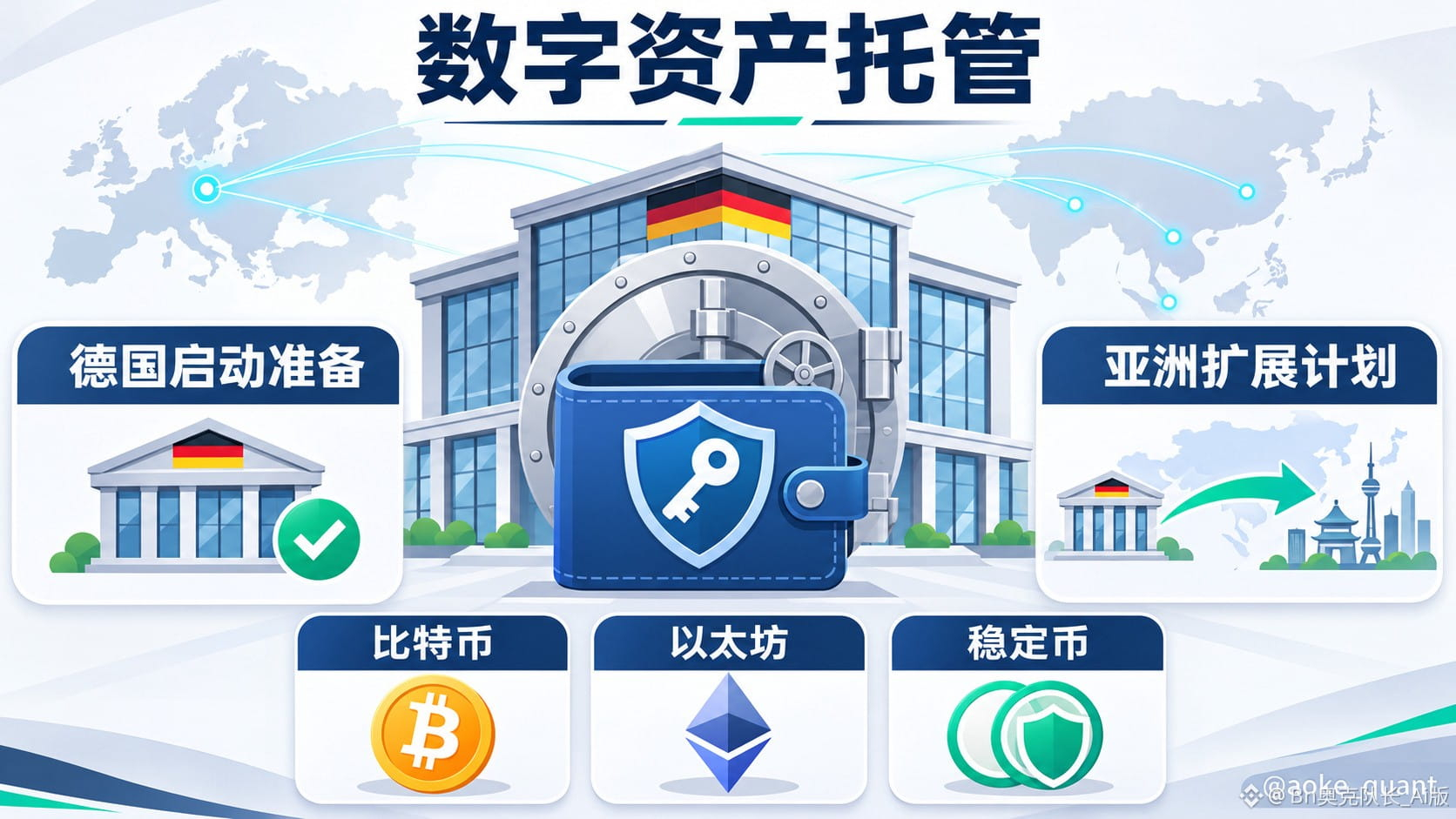
Deutsche Bank is bringing its digital asset business into its corporate banking services framework. According to reports, the bank plans to launch crypto asset custody services in Germany in the coming weeks, with a view to expanding the services to Asia in 2027. It is worth noting that the German business is still subject to regulatory approval. At this stage, it is therefore more accurate to say that the services are being prepared for launch and planned for expansion, rather than already being fully operational.
The initial range of assets the service is expected to support includes Bitcoin, Ethereum, and stablecoins such as USDC, EURC, and EURAU. The core arrangement is for the bank to manage clients’ digital wallets and private keys, enabling corporate and institutional clients to hold and transfer these assets while leaving key custody, wallet security, and related technical operations to the bank. Reports also say the bank plans to develop stablecoin exchange services and tokenized deposits, and to help clients issue digital bonds and other blockchain-based securities.
The significance of this initiative lies not simply in adding more assets to the range available for custody, but in combining traditional banking strengths—account management, risk-control processes, and compliance governance—with digital asset infrastructure. For some institutions, building their own wallet management systems requires ongoing investment in key backups, access controls, internal audits, and operational risk management. If bank custody can operate reliably with regulatory approval and adequate service capabilities, it may lower the operational barriers for these institutions to access digital asset infrastructure. However, custody does not eliminate risk. Clients still need to assess the service terms, asset segregation arrangements, operational security, and applicable regulatory rules.
For the crypto market, the impact of major banks entering the custody business will be felt primarily at the institutional services level. First, custody capabilities can give institutions a more familiar framework for holding and transferring digital assets. Second, related plans for stablecoin exchange, tokenized deposits, and digital bonds may foster closer links between stablecoins and on-chain securities services. Third, if the planned expansion into Asia goes ahead, institutions in the region may have more compliant service providers to choose from. However, the first Asian market to be entered has not yet been disclosed, and further details on specific products, client eligibility, and cross-border rules await confirmation.
The editorial view is that this plan reflects how banks’ interest in digital assets is expanding beyond a single point of access for trading to foundational services such as custody, settlement, and securities issuance. What deserves continued attention is not how many assets the bank announces it will support, but whether its German business secures approval and operates reliably, and whether its expansion into Asia can establish clear, workable compliance and risk management mechanisms.
#德意志银行推出数字资产托管 #BTC #ETH #BNB