I made it through the nights and sleeplessness, but I can’t make it through life without you by my side.
I’ve been in crypto for 7 years, growing 50,000 into 7 million.
Here are a few hard truths, paid for with liquidations and drawdowns. If you understand even one of them, you’re ahead of most people.
When prices shoot up and then drift down slowly, don’t panic-sell. A sharp rally followed by a slow grind is usually a shakeout to scoop up coins, not a crash. What’s truly dangerous is a sudden 40% surge, followed just hours later by a 50% plunge. That’s the guillotine—it’s designed to catch people chasing the rally.
When prices plunge and then bounce slowly, don’t rush to buy the dip. If you reach out to catch a falling market, you’ll probably catch a falling knife. A true bottom won’t let you buy comfortably. A sluggish little bounce after a sharp drop is often a smokescreen for selling, meant to trap dip-buyers.
High volume near the top isn’t scary; low volume is deadly. If volume is still high near the top, it means money is still flowing in. If the price moves sideways while volume keeps shrinking, get out fast. There’s nobody left to buy. High volume at the top keeps the rally alive; shrinking volume near the top is a countdown.
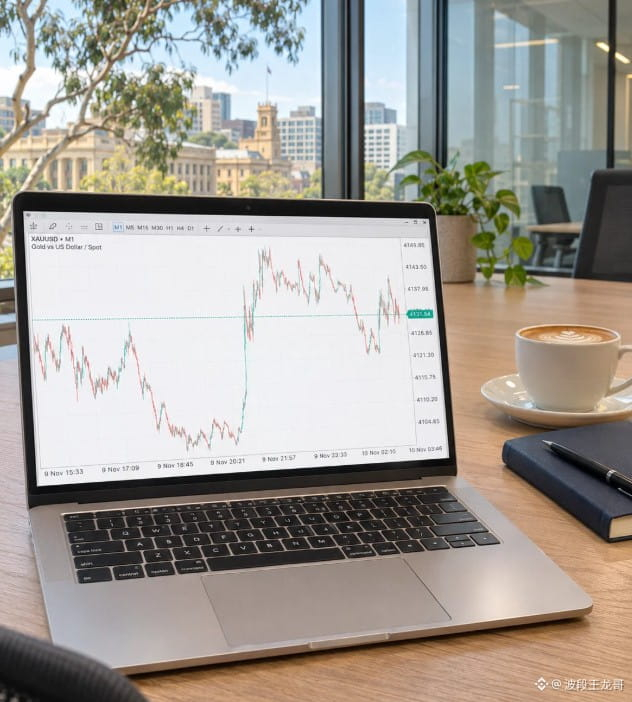
If a huge green candle suddenly appears at the bottom, don’t get excited just yet. After months of declines, one candle shooting skyward often leaves people trapped the next day. A genuine move comes after a long period of low-volume sideways trading, with volume steadily building and the price gradually moving higher. It costs very little to trick you with a single green candle.
In the end, trading is a test of human nature. Candlesticks show the result; trading volume is the leash on market sentiment. Before many coins take off, the price barely moves, but volume has already exploded. Skilled traders don’t focus on whether prices are going up or down—they watch where the money is getting ready to spark a fire.
Making money isn’t about luck; it’s about discipline and patience. Master more than three of these rules, and you’ll leave most people behind.
Don’t panic when prices surge, don’t buy the dip in a steep plunge, and get out if volume dries up near the top. I wrote about how to read the day’s volume in @波段王龙哥 . If you’re still chasing rallies and selling the dips, leave a comment with what you’re holding. I’ll tell you whether this move is a shakeout or distribution.