A reality check! The Fed in the Warsh era: The new policy framework is making markets even more sensitive!
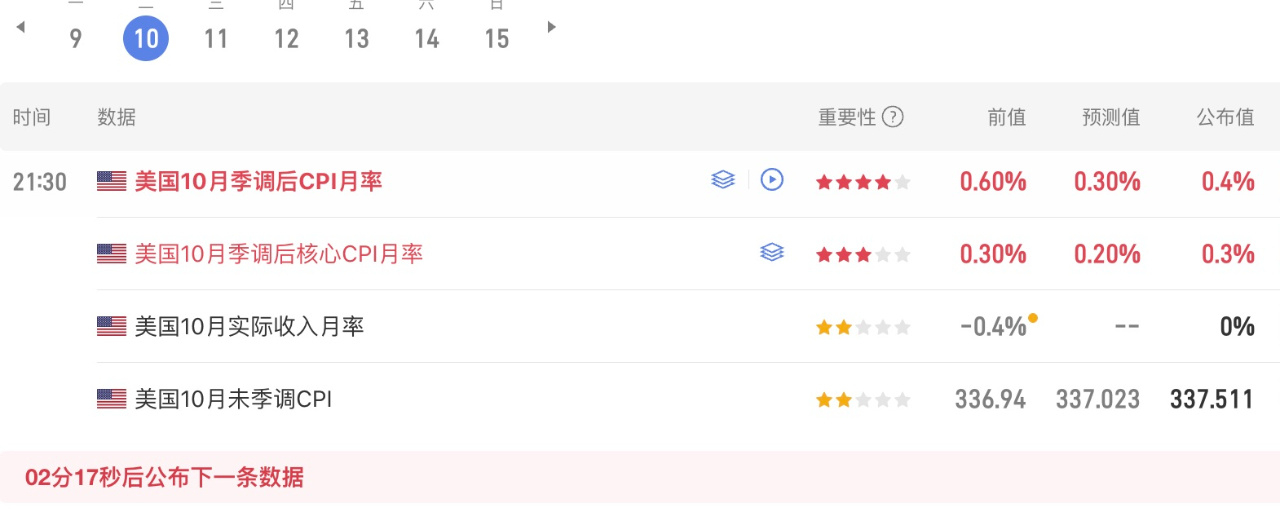
Warsh wants to scale back excessive forward guidance and bring policy back to being anchored in data. In the short term, this in itself gives macroeconomic data more weight.
However, some Fed governors are still using the Fed’s previous approach to managing expectations, boldly and explicitly expressing their views on inflation, the economy, and interest rates. But because these views conflict with Warsh’s policy stance, their remarks are having an even more pronounced impact on markets!
Since Waller’s remarks yesterday, several governors—including Logan, Schmid, Bowman, and Paulson—have spoken about the economy and interest rates, prompting markets to reprice and adjust their expectations for future Fed rate hikes.
As of now, the probability of a 25-bp rate hike in December is 88.6%, while the probability of a 50-bp hike is 11.4%. The probability of a rate hike in January 2027 has risen to 61.1%, and markets have begun to price it in.
In other words, this series of hawkish remarks has not only cemented the odds of a December hike, but also led markets to start anticipating either a 50-bp hike in December or consecutive hikes in January. What’s even more troubling for risk assets is the possibility that expectations of a return to a rate-hiking cycle may emerge!
Will we really see a series of consecutive rate hikes?
Here we need to consider the “reflexivity” of Fed policy. By this logic, when a combination of factors—such as economic data and Fed governors’ efforts to guide expectations—leads markets to start pricing in continued rate hikes after December, it may actually reduce the likelihood of further hikes.
Take the current situation: Once a December hike is locked in, expectations spill over into a 50-bp hike or consecutive hikes in January, prompting financial markets to reprice in advance. But as financial conditions tighten sufficiently, the likelihood of further hikes after the December increase actually falls substantially!
At the same time, if Brent prices can return to below $90 during this period, that would also help reduce the likelihood of a December hike and even more hikes in the future!
That’s the core of my reasoning, and why I’ve said several times this week that from now until the December 9 rate meeting, any further market pullback would present an opportunity to buy the dip!#CPI高于预期,美股与BTC再度承压
Warsh wants to scale back excessive forward guidance and bring policy back to being anchored in data. In the short term, this in itself gives macroeconomic data more weight.
However, some Fed governors are still using the Fed’s previous approach to managing expectations, boldly and explicitly expressing their views on inflation, the economy, and interest rates. But because these views conflict with Warsh’s policy stance, their remarks are having an even more pronounced impact on markets!
Since Waller’s remarks yesterday, several governors—including Logan, Schmid, Bowman, and Paulson—have spoken about the economy and interest rates, prompting markets to reprice and adjust their expectations for future Fed rate hikes.
As of now, the probability of a 25-bp rate hike in December is 88.6%, while the probability of a 50-bp hike is 11.4%. The probability of a rate hike in January 2027 has risen to 61.1%, and markets have begun to price it in.
In other words, this series of hawkish remarks has not only cemented the odds of a December hike, but also led markets to start anticipating either a 50-bp hike in December or consecutive hikes in January. What’s even more troubling for risk assets is the possibility that expectations of a return to a rate-hiking cycle may emerge!
Will we really see a series of consecutive rate hikes?
Here we need to consider the “reflexivity” of Fed policy. By this logic, when a combination of factors—such as economic data and Fed governors’ efforts to guide expectations—leads markets to start pricing in continued rate hikes after December, it may actually reduce the likelihood of further hikes.
Take the current situation: Once a December hike is locked in, expectations spill over into a 50-bp hike or consecutive hikes in January, prompting financial markets to reprice in advance. But as financial conditions tighten sufficiently, the likelihood of further hikes after the December increase actually falls substantially!
At the same time, if Brent prices can return to below $90 during this period, that would also help reduce the likelihood of a December hike and even more hikes in the future!
That’s the core of my reasoning, and why I’ve said several times this week that from now until the December 9 rate meeting, any further market pullback would present an opportunity to buy the dip!#CPI高于预期,美股与BTC再度承压