
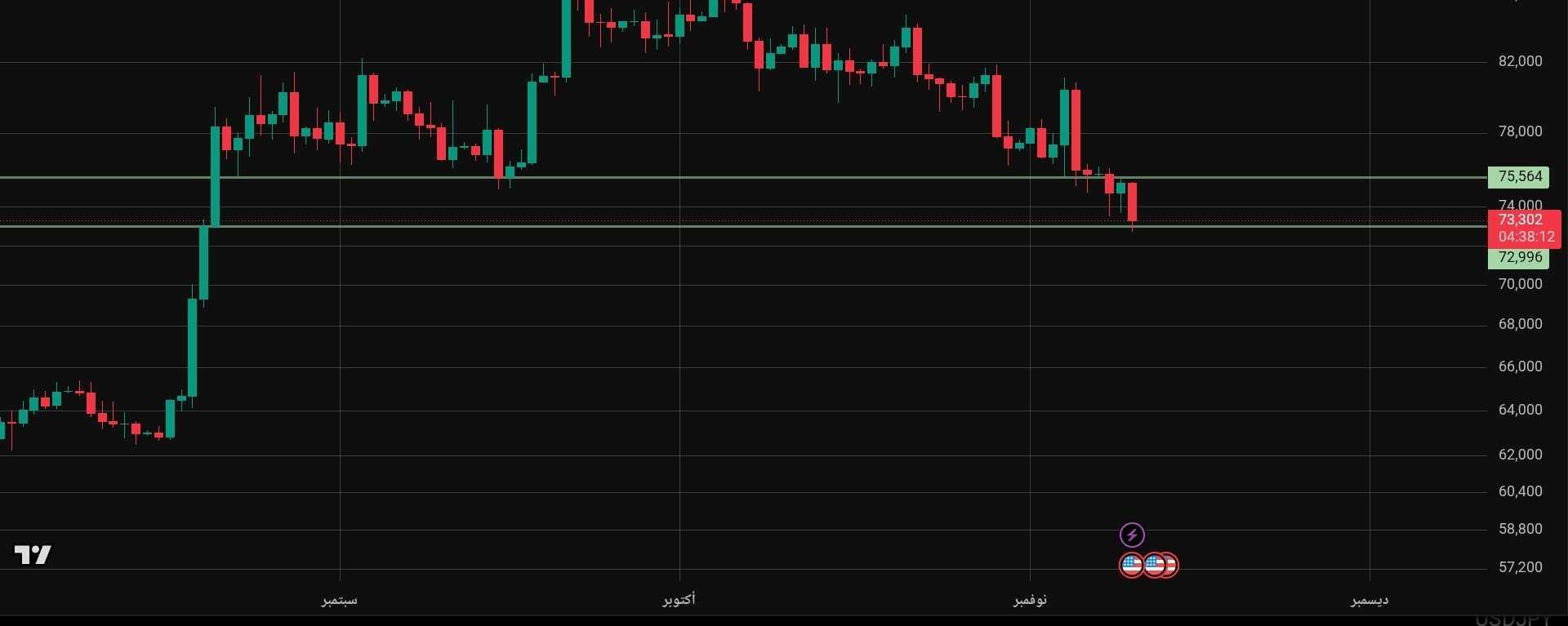

First: The period before the rally – August 15, 2026
Price: Approximately $63,000
During this period, Bitcoin was moving within the $62,500–$65,000 range, and market sentiment was weak after a prolonged decline.
But beneath this calm, three key developments were beginning to change the direction of liquidity:
1. Institutional fund flows
- August 17: $297.6 million flowed into spot Bitcoin funds.
- August 18: $189.3 million in inflows.
- From August 17 through August 27: nine consecutive sessions of positive flows, totaling around $3.04 billion.
This means institutional demand began to improve before the major rally appeared on the chart.
2. U.S. Treasury decision — August 19
The U.S. Treasury announced that it would expand long-term bond buybacks from $2 billion to $4 billion per operation.
This was not quantitative easing or money printing, but it eased concerns about disruption in the bond market and helped yields fall, improving investors’ appetite for high-risk assets.
3. Improving regulatory climate for digital assets
The White House hosted companies and officials from the digital asset sector, and signs of support for the CLARITY Act emerged.
This gave the market hope for a better regulatory environment and the entry of new institutions.
The result: liquidity began to improve, Bitcoin rose from around $63,000, and short liquidations began to accelerate the rally.
Source: KTX and Galaxy Research.
Second: How did this turn into a rally?
On August 19, short liquidations exceeded $1 billion in about an hour, and the price moved from around $64,900 to above $71,000.
Then actual fund inflows came in to support the move, and Bitcoin reached around $81,455 on August 28.
For August as a whole, Bitcoin funds recorded monthly inflows of around $3.4 billion.
So the rally was not just a technical move; three factors came together:
- Improving liquidity and bond-market conditions.
- Improving institutional demand.
- Short liquidations and accelerating momentum.
Third: What changed after that?
On August 28, an important turning point emerged.
Federal Reserve Chair Kevin Warsh delivered a speech in Jackson Hole, taking a more hawkish tone on inflation.
The odds of a September rate hike rose from around 35% to higher levels, reaching about 60.4% by the end of August.
At the same time:
- The streak of positive fund flows ended, with $201.81 million in outflows.
- Derivatives liquidations totaled around $488 million, mostly long positions.
- Bitcoin options worth $6.4 billion expired.
- Oil prices rose after U.S.-Iran tensions flared up again.
This is where the difference emerged between a rally supported by liquidity and one that needed new catalysts.
Fourth: What happened during the current period — November 3 to 10, 2026?
Price at the time of the chart: approximately $73,302.
This time, the sources of pressure on the market changed, and several developments occurred simultaneously:
1. U.S. midterm elections — November 3
The election results gave Democrats control of both chambers of Congress, raising concerns about tighter oversight and regulation of the cryptocurrency sector.
This was the opposite of the more optimistic regulatory climate that helped the market in August.
2. Declines in technology and AI stocks — November 5
Following the political developments, concerns emerged about a slowdown in spending on AI data centers.
- The Nasdaq Composite fell 5.5%.
- The Nasdaq 100 fell about 6.4%.
- Semiconductor stocks fell sharply.
- Bitcoin fell alongside a wave of selling in high-risk assets.
This matters because Bitcoin has become highly sensitive to movements in technology stocks and investment liquidity.
3. Outflows from Bitcoin funds
Between November 2 and 6, U.S. spot funds recorded net outflows of around $1.28 billion.
On November 9, a further $201 million flowed out.
BlackRock’s IBIT fund also recorded seven consecutive sessions of net redemptions.
Here we see the exact opposite of what happened in August: instead of institutional money flowing in, funds became a source of selling pressure.
4. Bitcoin holdings sold by mining company MARA
MARA announced that it had sold 13,597 Bitcoin for around $1.1 billion over the past six weeks and indicated that it intended to sell more.
This adds another source of supply to the market and makes the price more sensitive when demand is weak.
5. Security concerns in the cryptocurrency market
News emerged of a major security breach linked to the Binance platform, with losses estimated at around $6 billion, according to a Reuters report.
This news raised concerns about the safety of assets and platforms, and affected risk appetite.
Fifth: U.S. economic data — November 6 and 10
November 6 — Jobs data
U.S. jobs data showed that around 165,000 jobs were added in October.
This reading strengthened expectations that interest rates would remain high, and the odds of a December rate hike increased.
November 10 — CPI inflation
October data were released:
- Headline monthly inflation: 0.4%.
- Market expectations: 0.3%.
- Previous reading: 0.6%.
- Core monthly inflation: 0.3%.
- Previous core reading: 0.3%.
Headline inflation came in above expectations, while core inflation remained at the previous month’s level.
The year-over-year inflation comparison was also not published because October 2025 data collection was disrupted during the previous government shutdown.
The market reaction was:
- U.S. Treasury yields rose.
- The dollar rose.
- Gold fell.
- Concerns about a more hawkish Fed increased.
This added further pressure on Bitcoin, but it was not the only reason for the decline; fund outflows and the wave of selling in technology stocks came before the inflation data was released.
Sixth: Final comparison between the two periods
Key factor|August at $63,000|Current November
ETFs|Inflows|Outflows
Institutional liquidity|Demand improved|Weak demand
U.S. Treasury|Supported bond-market stability|Pressure from yields and inflation
The Fed|Rate concerns temporarily eased|Rate hike concerns returned
U.S. regulation|Positive signals|Concerns about tighter oversight
Technology stocks|Improved risk appetite|Wave of selling
Derivatives|Short positions liquidated|Long positions liquidated
Supply|Increasing institutional demand|Selling by some companies holding Bitcoin
Final overall outlook
When Bitcoin was at $63,000 in August, fundamental factors were building ahead of the rally: improving fund flows, easing bond-market pressures, and positive political signals.
By November, the picture had reversed: institutional outflows, falling technology stocks, selling by companies holding Bitcoin, and regulatory concerns, followed by inflation data that added to the pressure.
The most important difference:
In August, liquidity was looking for an opportunity to flow into Bitcoin. In November, liquidity had become more cautious, and some institutions and investors were moving to reduce their risk exposure.