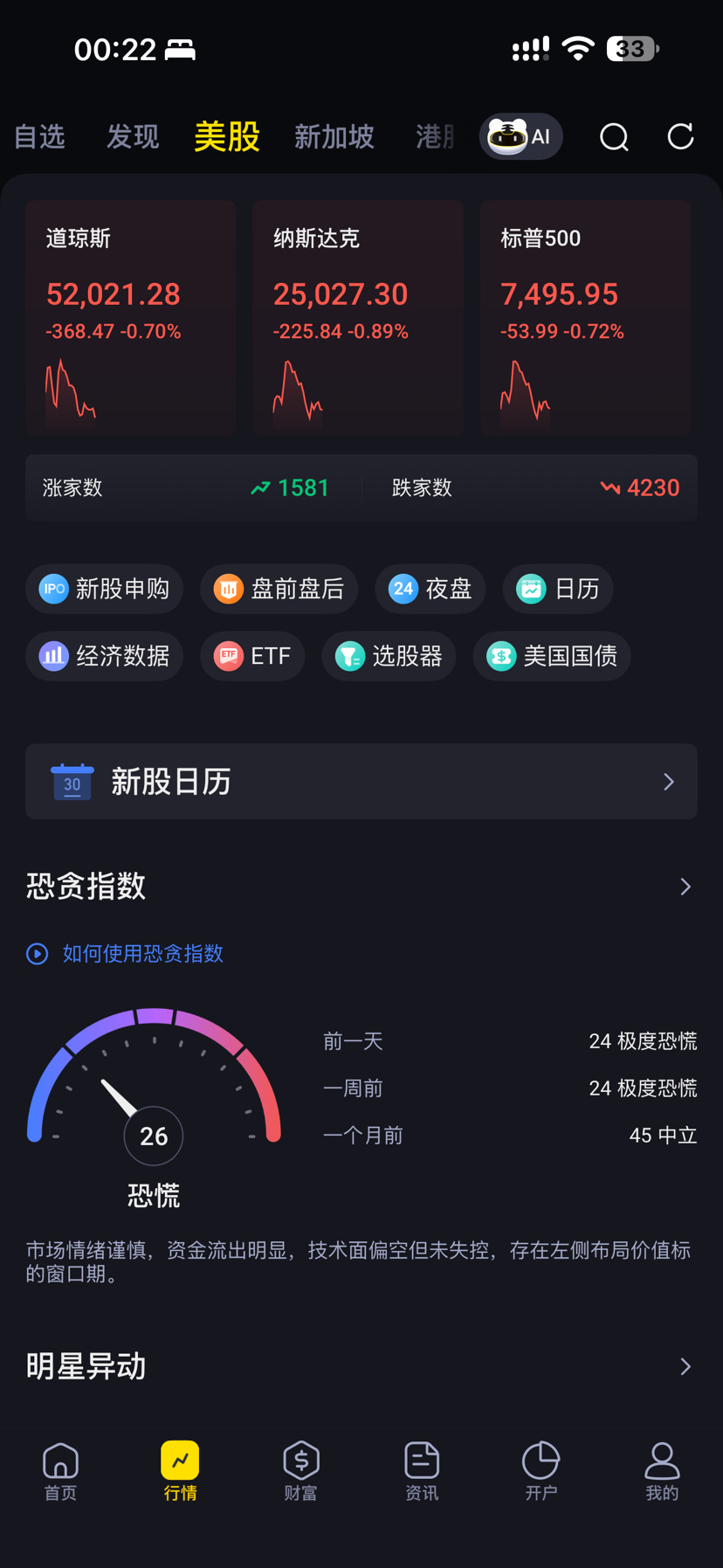

U.S. stocks are nearing a short-term bottom, with a rebound likely before another decline
I believe U.S. stocks have most likely entered a short-term bottoming zone.
The market is well aware of the bubble in U.S. stocks. Whether it’s valuations, expectations for AI, or the relationship between capital markets and the real economy, people know that a bubble may exist and that it will eventually burst. The real problem is that no one can accurately predict when.
This brings to mind China’s property market around 2015.
At the time, many economists had already argued from various angles that China’s property market should have turned downward long ago, citing rental yields, the pressure real estate was putting on the real economy, and the effects of housing prices on marriage and social structures.
But we all saw what happened next: the government tried to turn the stock market into a second reservoir for capital, but the results were disappointing. To stabilize the economy, it ultimately had no choice but to continue relying on real estate.
In some ways, a similar dynamic is at play in U.S. stocks today.
Everyone knows there’s a bubble in U.S. stocks and that high valuations can’t last forever, but that doesn’t mean the market is about to crash. U.S. stocks have grown so large that they affect the entire global financial system. A systemic crash could have consequences that are difficult to bear.
This creates a very real situation: U.S. stocks have become “too big to fail” to some extent, but this state of affairs can only last for a while.
My view remains cautious: U.S. stocks may be gearing up for a decline lasting several weeks. However, it may not happen right away. Semiconductor valuations have already fallen to relatively low levels, trading remains active, and the bulls and bears are still divided. These factors could keep the indexes swinging within a wide range for a while, rather than sending them straight into a panic-driven sell-off.
$QQQ $SPY